Samudra Manthan, petroleum and India's energy security policy | Number Theory
Source Entity
Latest News: Todays Latest News Headlines from India & World | Hindustan Times | Hindustan Times
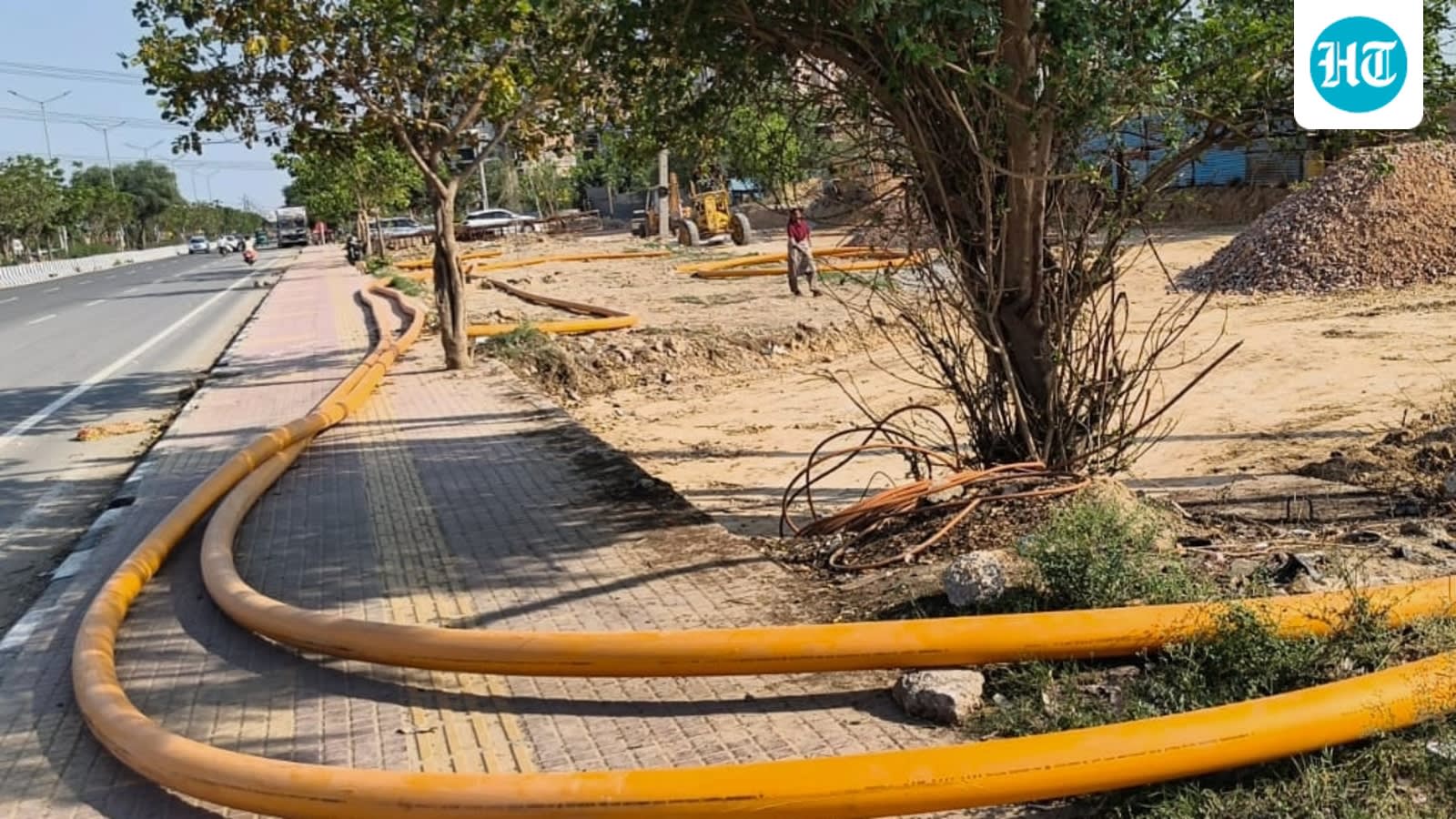
India's energy security is increasingly vulnerable due to rising import dependence, currently at 90% of total availability. Geopolitical instability in Russia and West Asia highlights the critical need for supply chain resilience.
India's Energy Security: Navigating Global Volatility
India’s energy landscape is currently defined by a precarious paradox: while the nation’s economic ambitions continue to soar, its reliance on external sources for petroleum has deepened. Recent data indicates that India’s import dependence for crude oil has climbed to approximately 90% of its total availability. This figure is calculated by combining domestic production with net imports, highlighting a structural vulnerability in the nation's energy architecture that demands urgent strategic attention.
The Geopolitical Risk Factor
The criticality of oil transcends mere market pricing; it is fundamentally a matter of national security. As evidenced by the 2022 Russia-Ukraine conflict and the ongoing instability in West Asia, the physical flow of petroleum is highly susceptible to extra-economic disruptions. The Strait of Hormuz, a vital artery for global oil transit, has faced intermittent threats that directly jeopardize the steady supply of barrels reaching Indian shores. These events serve as a stark reminder that energy security is as much about logistics and diplomacy as it is about fiscal management.
Quantitative Challenges in Supply
From a quantitative perspective, the surge in import dependence is driven by both the demand side—fueled by India’s rapid industrialization and urbanization—and a stagnant supply side in terms of domestic output. CMIE data underscores that as domestic consumption outpaces local extraction capabilities, the gap is filled almost entirely by imports. This reliance exposes the Indian economy to external price shocks and supply chain bottlenecks that are entirely beyond domestic control.
Historical Context and Strategic Shifts
Historically, India has managed its energy needs through diversified sourcing and long-term bilateral agreements. However, the current geopolitical climate, characterized by the weaponization of energy trade routes, has necessitated a shift in policy. The 'Samudra Manthan' of India’s energy policy now requires a more robust focus on diversifying energy baskets and enhancing strategic petroleum reserves to act as a buffer against sudden, supply-side volatility.
Future Trends and Policy Implications
Looking ahead, India’s energy security policy must transition from a reliance-heavy model to one of diversified resilience. This involves not only securing traditional fossil fuel pathways but also accelerating the integration of renewable energy and alternative fuels. As global conflicts continue to threaten the Strait of Hormuz and other maritime chokepoints, the imperative to reduce the quantitative share of imports in total energy availability will become the cornerstone of India’s long-term economic stability and sovereign security.
Verification Required?