India's First Bullet Train To Start In 2027, Surat-Vapi Stretch To Open First: Minister
Source Entity
NDTV News Search Records Found 1000
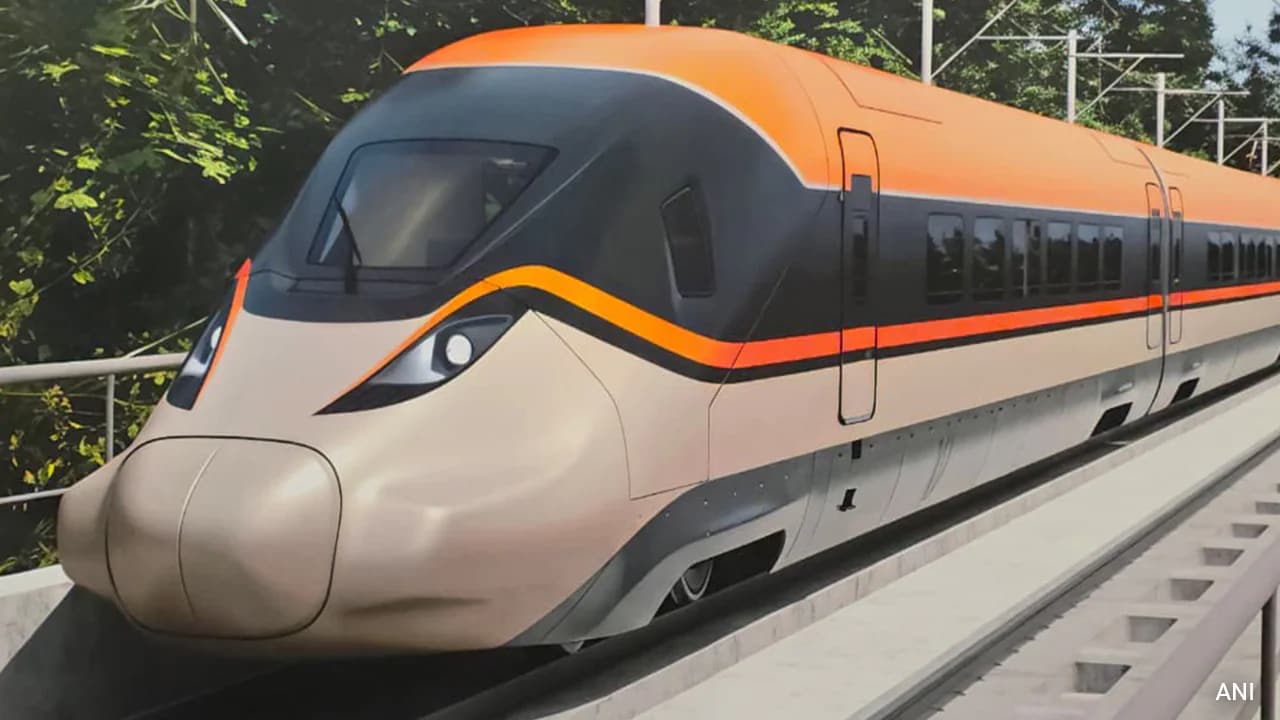
India's first bullet train project reaches a key milestone with the energization of the 50-km Surat-Bilimora section. The high-speed rail corridor is expected to begin operations between Surat and Vapi by 2027.
India’s High-Speed Rail Ambitions: A Milestone for Connectivity
India has officially moved closer to realizing its high-speed rail aspirations as the National High Speed Rail Corporation Limited (NHSRCL) successfully energized the overhead electrical system on the 50-km Surat-Bilimora section. This development represents a critical technical achievement, signaling that the infrastructure is transitioning from the civil engineering phase to the operational testing phase. By establishing a functional power grid for this segment, the project sets the stage for future trials that will ultimately define the safety and efficiency standards for the entire Mumbai-Ahmedabad corridor.
Technical Progress and Infrastructure Readiness
The energization of the overhead lines is not merely a symbolic gesture but a fundamental requirement for the high-speed rail system to function. According to official reports, the process was conducted on the elevated alignment, covering both Up and Down lines. This methodical approach, which involves progressive energization of smaller sections under strict supervision, reflects the project's adherence to international safety protocols. As technical teams continue to validate these systems, the project moves closer to the operational reality of high-speed transit.
Strategic Phased Implementation
The government has clarified that the project will be rolled out in phases to ensure operational stability. While the full corridor to Mumbai remains the ultimate objective, the initial focus is on the Surat-Vapi stretch, which is slated to commence operations by 2027. This phased rollout is a strategic decision intended to allow for real-world testing of systems, passenger management, and logistical coordination before the full-scale launch of the high-speed service.
The Future of Indian Rail Transit
The Mumbai-Ahmedabad bullet train corridor represents a paradigm shift in Indian transportation infrastructure. By bridging two of the country's most significant economic hubs with high-speed connectivity, the project aims to reduce travel time significantly and boost regional economic synergy. The successful energization of the Surat-Bilimora section is a testament to the scale of engineering required to manage high-voltage systems at high speeds, marking a transition toward a more modern, efficient, and technologically advanced rail network.
Conclusion
As the project progresses toward its 2027 opening, the continued focus on safety and technical compliance remains paramount. The ongoing developments in Gujarat underscore India's commitment to adopting high-speed transit technology. With the Surat-Vapi stretch serving as the pilot for the broader network, the success of these initial sections will likely provide the blueprint for future high-speed corridors across the nation, effectively transforming the landscape of domestic travel.
Verification Required?