The Unlicensed Gospel: Wisdom Tree's Bible Games on the Game Boy
Source Entity
Hacker News
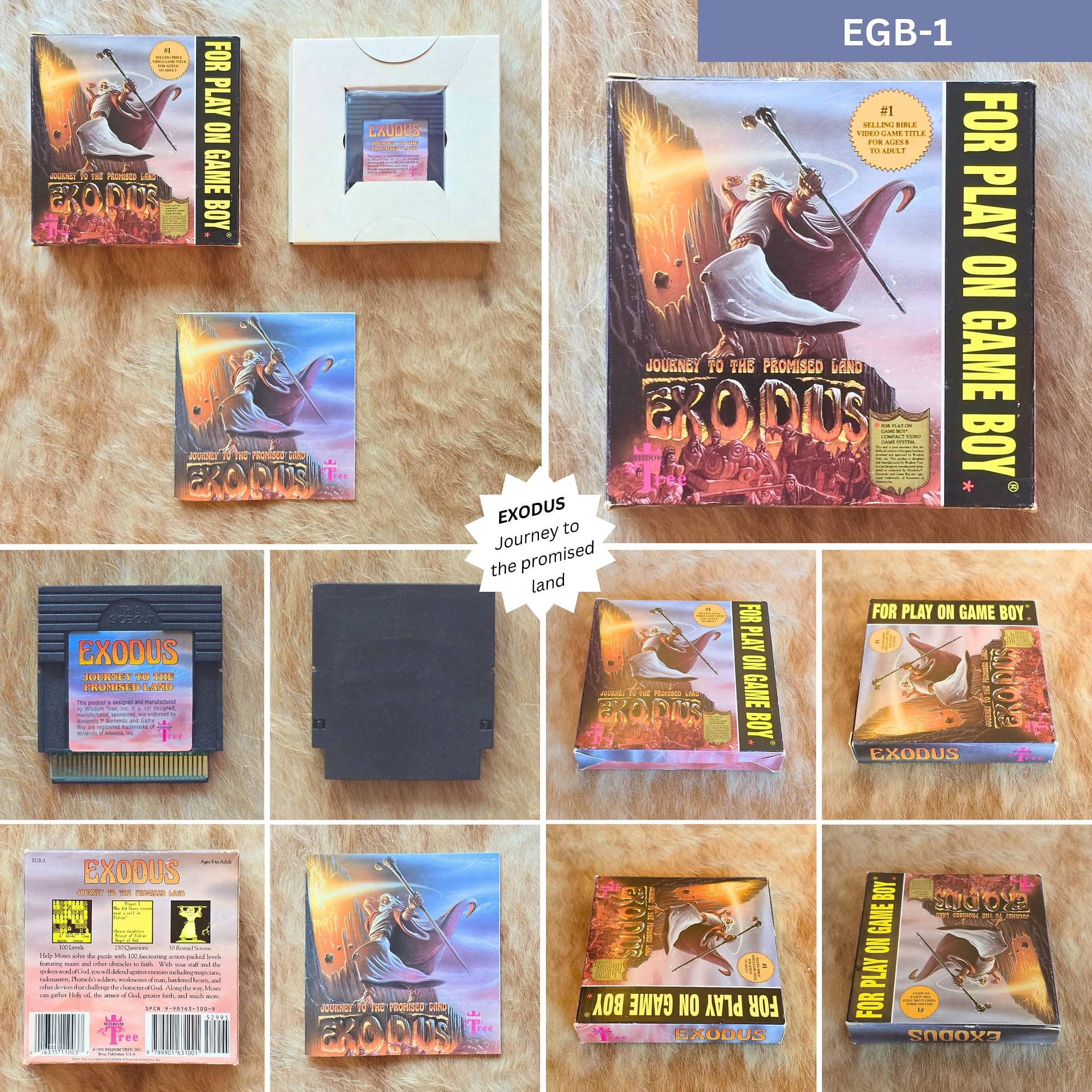
Wisdom Tree's 1993 release of 'Exodus: Journey to the Promised Land' represents a unique chapter in gaming history as an unlicensed Game Boy title. By bypassing Nintendo's strict licensing ecosystem, the company successfully targeted Christian bookstores, creating a legacy of subcultural software development.
The Anomalous Rise of Unlicensed Gaming
In the early 1990s, the video game industry was dominated by Nintendo’s iron-fisted control over its hardware ecosystem. The Game Boy, specifically the DMG-01 model, was a closed platform protected by a proprietary lockout chip. However, Wisdom Tree, a subsidiary of the California-based Color Dreams, managed to circumvent these barriers. By releasing Exodus: Journey to the Promised Land in 1993, they defied the established industry norms, producing a fully finished, boxed retail game without Nintendo’s official certification or approval.
The Strategy of the Loophole
Wisdom Tree’s existence was rooted in the aggressive, unconventional business tactics of its parent company, Color Dreams, which had already been producing unlicensed software for the Nintendo Entertainment System. The transition to the portable market was a calculated move to capture a niche audience that traditional retailers often ignored. By distributing their games through Christian bookstores rather than conventional toy shops, Wisdom Tree established a parallel retail network that operated entirely outside of Nintendo's direct influence.
A Legal and Cultural Paradox
Perhaps the most intriguing aspect of Exodus is the fact that Nintendo famously never initiated legal action against Wisdom Tree. In an era where Nintendo was known for its litigious protection of its intellectual property and hardware security, this lack of intervention remains a subject of intense historical debate. It is possible that the niche, non-competitive nature of the Christian gaming market made the cost of litigation outweigh the benefits, allowing the company to thrive in a legal gray area.
Technical Defiance and Market Niche
Technologically, the creation of an unlicensed Game Boy game required significant reverse-engineering efforts to bypass the console's security protocols. Wisdom Tree’s ability to manufacture and distribute these cartridges demonstrates a remarkable level of technical persistence. By focusing on religious themes, they tapped into a demographic that was eager for content aligned with their values, proving that there was a viable commercial path for software developers who operated outside the mainstream gaming industry.
The Legacy of Unlicensed Software
Today, Exodus: Journey to the Promised Land serves as a fascinating relic of the 8-bit era. It represents a time when the boundaries of the gaming industry were constantly being tested by independent developers. The existence of this title highlights the tension between platform holders and third-party creators, serving as a reminder that the history of gaming is not just written by the corporate giants, but also by the outliers who found ways to circumvent the status quo.
Conclusive Reflections
The story of Wisdom Tree is a testament to the power of alternative distribution models. While they never received the 'Seal of Quality' from Nintendo, they achieved something arguably more significant: they carved out a permanent, albeit strange, place in the history of the Game Boy. As collectors continue to seek out these rare, unlicensed cartridges, the legacy of Exodus continues to spark curiosity about the diverse and often rebellious origins of classic handheld gaming.