IAF starts process to look for 150 new-gen jet trainers to replace Hawk fleet
Source Entity
SURENDRA SINGH
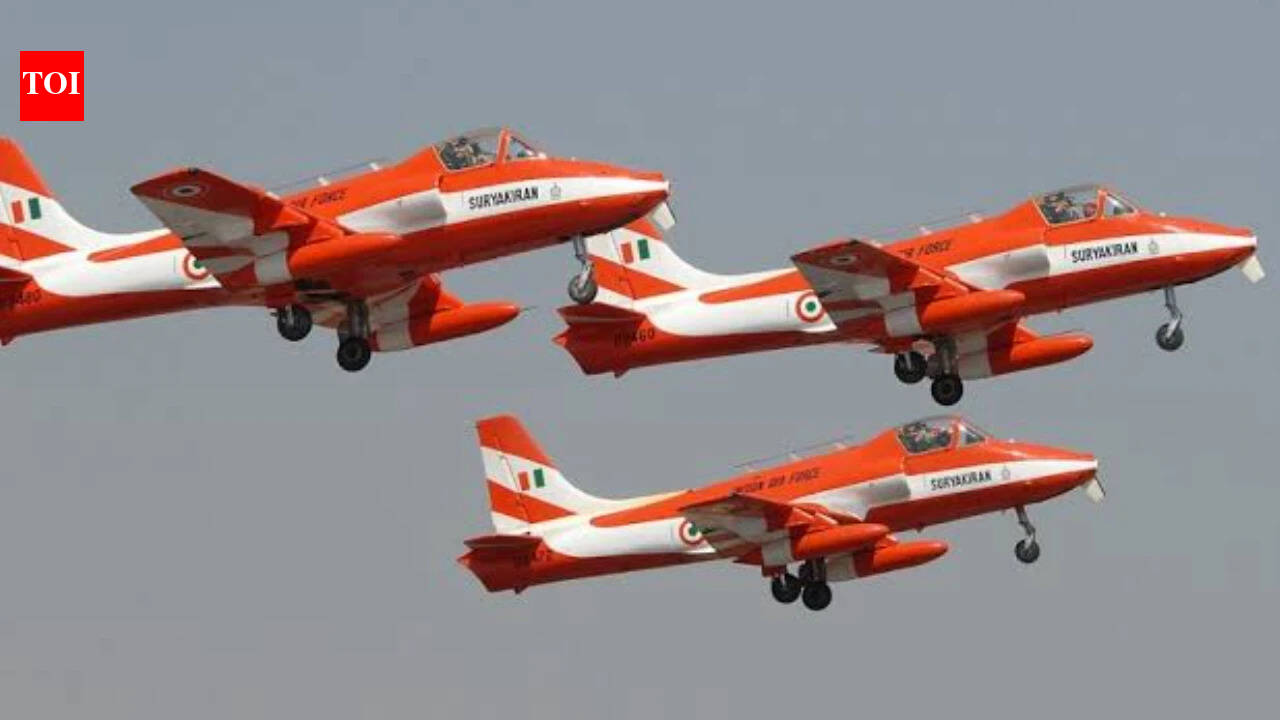
The Indian Air Force has initiated a massive procurement drive for 60 multi-role transport aircraft and 150 next-generation jet trainers. This modernization effort aims to replace the aging Hawk Mk-132 fleet and bolster India's domestic defense manufacturing capabilities.
India's Strategic Push for Aviation Modernization
The Indian Air Force (IAF) has officially launched a significant modernization initiative, signaling a major shift in how the nation approaches its aerial fleet requirements. By initiating the procurement process for 60 multi-role transport aircraft and 150 next-generation jet trainers, the IAF is addressing critical gaps in its logistics and pilot training pipelines. This dual-pronged acquisition strategy is designed to ensure that the IAF remains a formidable regional power capable of rapid deployment and high-level flight instruction.
Replacing the Hawk Mk-132 Fleet
At the heart of the training modernization is the replacement of the aging Hawk Mk-132 advanced jet trainers. For years, the Hawk has served as the backbone of the IAF's Stage-III training, but as aerial warfare technology evolves, these platforms are increasingly showing their age. By floating a Request for Information (RFI) for 150 new-generation trainers, the IAF is looking to integrate modern avionics and flight characteristics that better prepare pilots for the complexities of contemporary combat aircraft, such as the Rafale and the indigenous Tejas.
The Move Toward Self-Reliance
This procurement drive is deeply rooted in the government's broader 'Atmanirbhar Bharat' (Self-Reliant India) initiative. The decision to invite both Indian and global manufacturers to participate in the RFI process suggests a strategy of technology transfer and domestic manufacturing. By requiring trials to be conducted in India on a 'no-cost-no-commitment' basis, the IAF is effectively de-risking the acquisition process while forcing global OEMs to demonstrate the viability of their platforms within the unique Indian operational environment.
Strategic Logistics and Transport Capabilities
Beyond pilot training, the acquisition of 60 multi-role transport aircraft represents a massive upgrade to India's airlift capacity. Transport aircraft are the lifelines of the IAF, essential for disaster relief, troop movement, and logistics in high-altitude regions. Modernizing this fleet ensures that the IAF can maintain a high tempo of operations, supporting both national security objectives and humanitarian assistance missions across the Indian Ocean Region.
Future Implications and Trends
Looking ahead, this procurement signifies a shift toward a more standardized, tech-heavy, and locally-integrated air force. As the IAF moves toward a future where indigenous manufacturing plays a larger role, these contracts will likely serve as a benchmark for future defense deals. The focus on 'next-generation' platforms suggests that the IAF is not merely replacing old gear but is actively upgrading its operational capability to match the evolving geopolitical landscape of the Indo-Pacific.
Conclusion
In summary, the IAF's current procurement strategy is a calculated move to modernize its infrastructure while fostering domestic industrial growth. By replacing the Hawk Mk-132s and expanding the transport fleet, India is securing its skies for the next several decades. The success of these tenders will be vital in determining the future readiness of the Indian military and its ability to maintain aerial superiority in an increasingly competitive global environment.