Here are the big stories from Karnataka today
Source Entity
India Latest News: Top National Headlines Today & Breaking News | The Hindu
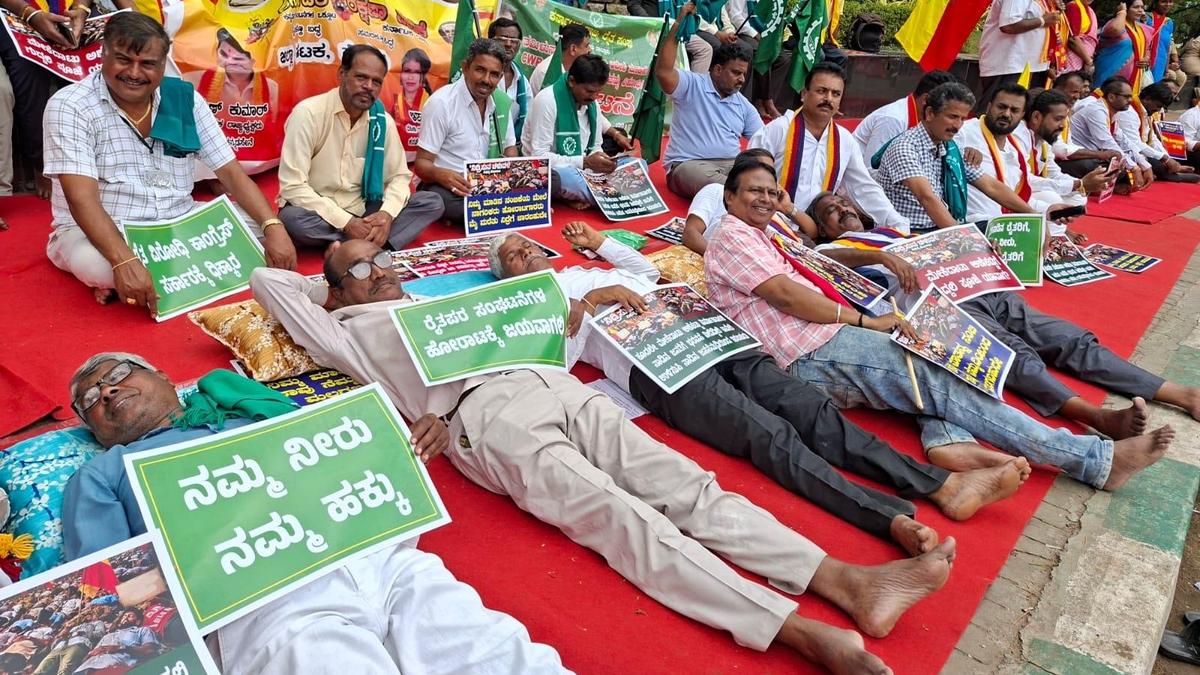
A Karnataka bandh called over the Cauvery water dispute saw a lukewarm response, with normal life continuing uninterrupted in major cities. Public transport, commercial establishments, and schools remained operational as unions offered only moral support.
The Cauvery Dispute and the Recent Karnataka Bandh
On August 13, various Kannada organizations called for a statewide bandh to protest against the ongoing Cauvery water sharing dispute. Despite the intensity of the underlying issue—a long-standing conflict between Karnataka and Tamil Nadu regarding water allocation from the Cauvery River—the protest failed to gain significant traction on the ground. In major urban centers such as Bengaluru, Mysuru, and Belagavi, the call for a shutdown resulted in a notably lukewarm response.
Impact on Public Infrastructure and Services
The most significant metric for the success of a bandh in India is the cessation of public transport and commercial activity. In this instance, the bandh had negligible impact on daily operations. BMTC (Bengaluru Metropolitan Transport Corporation) and KSRTC (Karnataka State Road Transport Corporation) buses continued their routes without interruption. Furthermore, private transport providers, including autorickshaws and cab services, remained fully operational. This lack of participation from transport unions was a decisive factor in preventing the city from coming to a standstill.
Commercial and Institutional Continuity
Beyond transport, the commercial sector remained vibrant throughout the designated bandh hours of 6 a.m. to 6 p.m. Shops, hotels, restaurants, and other retail establishments functioned as they would on any normal business day. Similarly, institutional activities, including the operations of schools and private offices, were not curtailed. The fact that these sectors remained open underscores a shift in public sentiment toward balancing protest activity with the necessity of maintaining economic productivity.
The Role of Moral Support vs. Active Participation
A critical takeaway from this event is the distinction between moral support and active participation. While various unions and organizations expressed solidarity with the cause regarding the Cauvery water issue, they opted not to withdraw their services. This strategic decision by auto and cab unions allowed the state to avoid the paralysis often associated with such protests. It suggests that while the Cauvery dispute remains a deeply emotive and politically sensitive topic, the public is increasingly hesitant to support shutdowns that directly disrupt their personal livelihoods and daily commutes.
Historical Context and Future Trends
The Cauvery dispute has historically been a flashpoint for massive civil unrest in Karnataka. However, the lukewarm response to this specific call indicates a potential evolution in how such disputes are handled. As Bengaluru continues to expand as a global technology and business hub, the tolerance for disruptions to infrastructure is narrowing. Future protests regarding water rights will likely face similar challenges, as the public and private sectors prioritize stability and economic continuity. Organizations will need to rethink their mobilization strategies if they hope to achieve the same level of impact seen in previous decades.
Verification Required?