Not ethanol, but low output, festive demand behind sugar price hike: Centre
Source Entity
Latest News: Todays Latest News Headlines from India & World | Hindustan Times | Hindustan Times
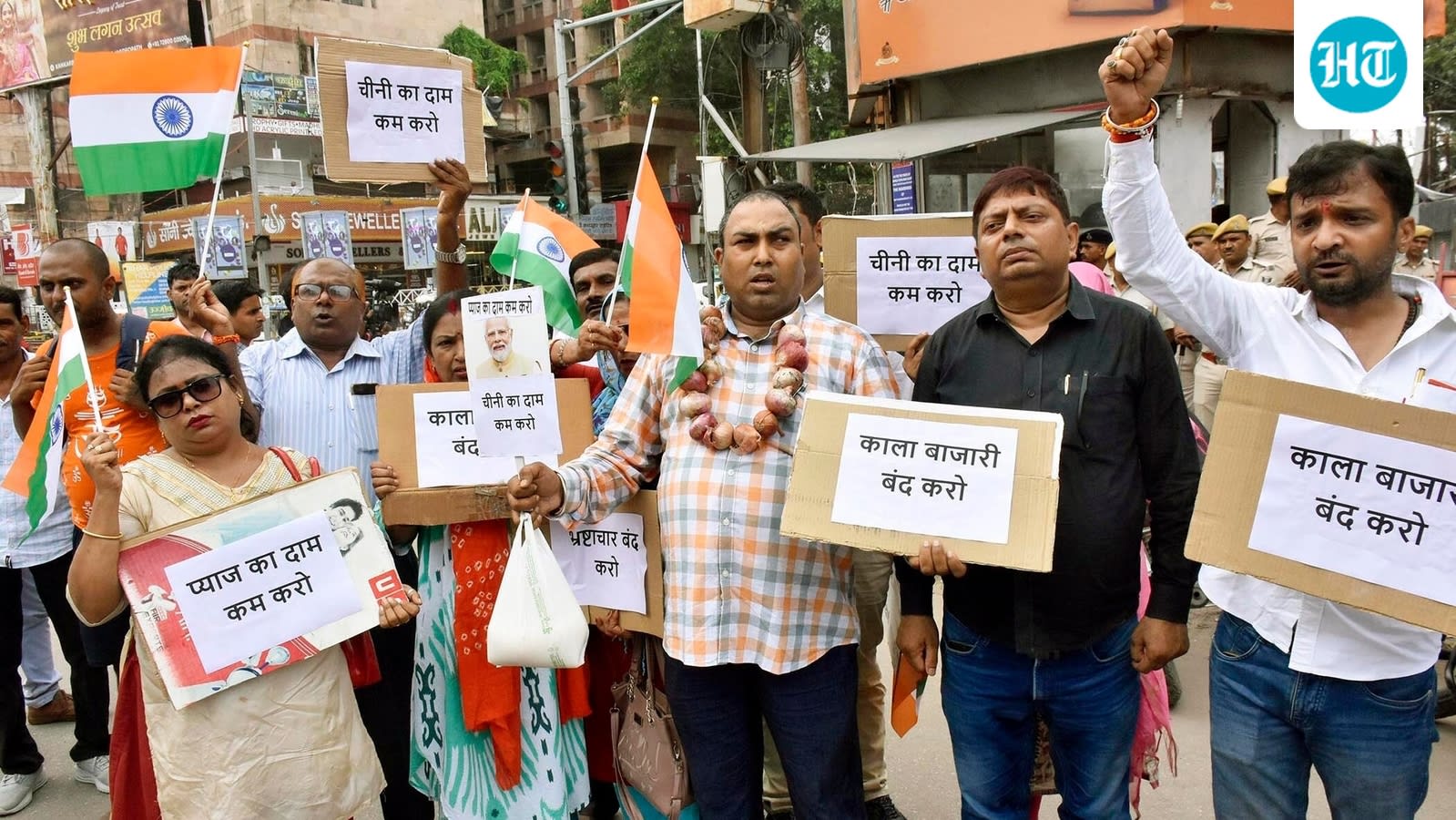
The Indian government has imposed sugar stockholding limits on bulk consumers and allowed 1 million metric tons of duty-free raw sugar imports. This two-pronged strategy aims to curb a 40% price surge ahead of the festive season, amid concerns over reduced sugarcane production.
Addressing the Sugar Price Surge: A Strategic Intervention
The Indian government has initiated a critical two-pronged intervention to stabilize the domestic sugar market, which has witnessed a staggering 40% price increase over the last two months. By imposing strict stockholding limits on bulk consumers and authorizing the duty-free import of 1 million metric tons of raw sugar, the administration is attempting to balance supply-side constraints with the rising demand anticipated during the upcoming festive season.
The Mechanics of the Stockholding Limit
The new regulations specifically target institutional buyers, including confectioners, soft drink manufacturers, and large-scale food processors. Any entity with an average monthly consumption of 10 metric tons or more is now subject to these inventory caps. This policy is designed to prevent large-scale hoarding, which often exacerbates price volatility when market sentiment is already fragile due to supply shortages.
Navigating Production Challenges and Ethanol Policy
The current supply crisis is partially attributed to adverse weather conditions impacting sugarcane yields. However, the situation has become a point of political contention. Critics, such as Arvind Kejriwal, have argued that the government's aggressive push for ethanol production—which utilizes sugarcane as a primary feedstock—has diverted vital resources away from sugar production, consequently necessitating costly foreign exchange outflows for imports to bridge the domestic supply gap.
Global and Economic Implications
The decision to allow 1 million metric tons of duty-free raw sugar imports through October 31 serves as a safety valve for the domestic market. Because India is a major player in the global sugar trade, this policy shift is expected to ripple through international markets. By increasing local availability, the government aims to suppress the 10% month-on-month price jump that has recently threatened consumer inflation targets.
Balancing Festive Demand and Future Policy
With the peak festival season approaching, the government is prioritizing supply chain stability to ensure that essential commodities remain affordable for the average citizen. The success of these measures will likely dictate future agricultural and energy policies, specifically regarding the delicate balance between ethanol blending mandates and food security. The government must now monitor whether these short-term import concessions and inventory restrictions can effectively cool the market without discouraging long-term domestic production investment.
Multiple Citing Sources
Verification Required?