17 months after abeyance: Why India’s Indus treaty freeze has yet to move more water its way
Source Entity
Latest News: Todays Latest News Headlines from India & World | Hindustan Times | Hindustan Times
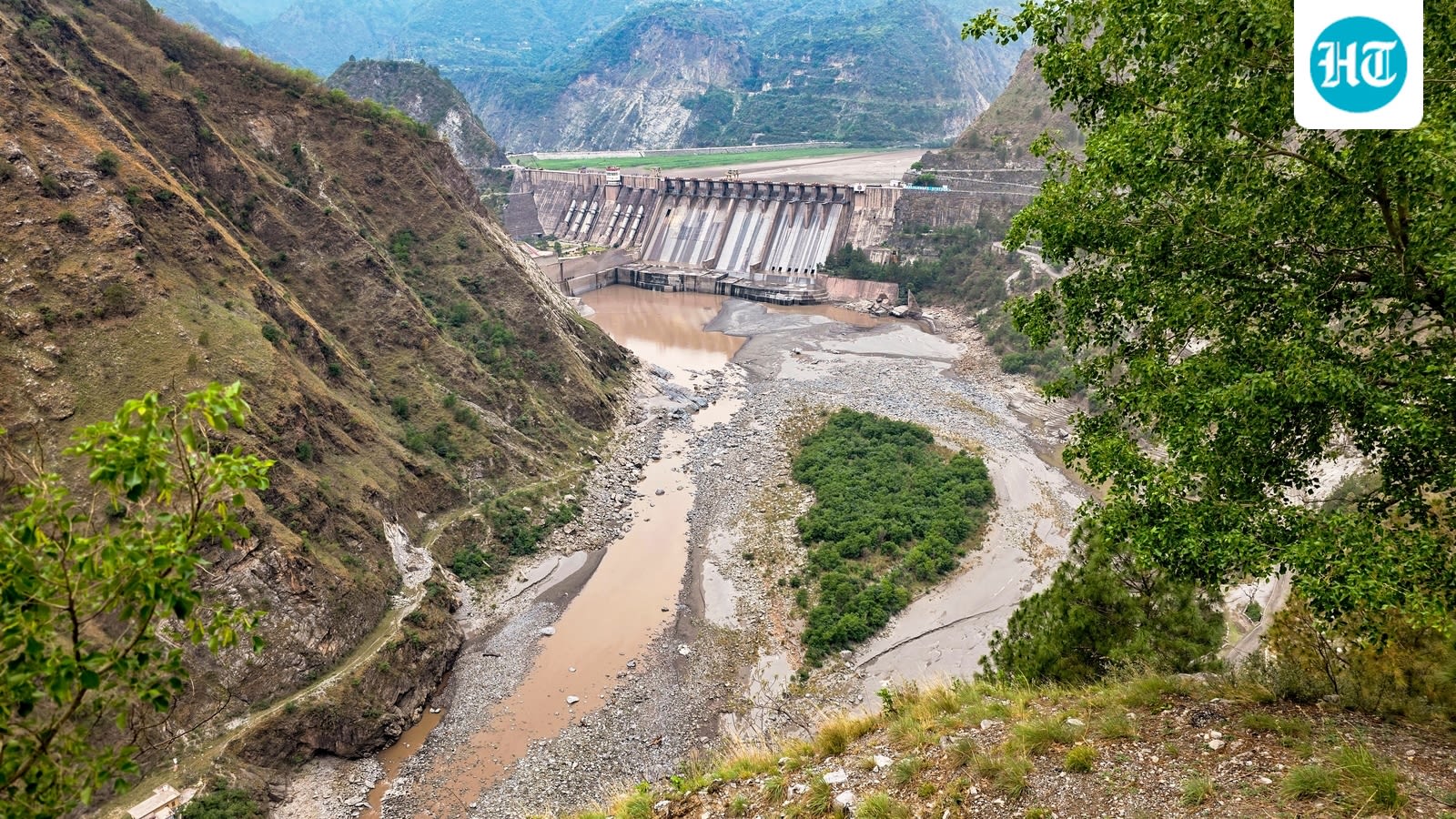
Despite India placing the Indus Waters Treaty in abeyance in April 2025, it has yet to increase water usage from the western rivers. Experts note that a lack of necessary infrastructure like reservoirs and canals prevents immediate utilization of these water resources.
The Indus Waters Treaty: A Stalled Shift in Hydro-Politics
In April 2025, India made the significant geopolitical decision to place the Indus Waters Treaty (IWT) in abeyance. This move signaled a potential shift in how New Delhi views the long-standing water-sharing agreement with Pakistan, which governs the flow of the Indus River and its five tributaries: the Sutlej, Beas, Ravi, Jhelum, and Chenab. While the treaty has historically served as a rare example of cooperation between the two nuclear-armed neighbors, the recent decision to freeze the agreement reflects growing tensions and a desire for greater strategic autonomy over shared water resources.
The Infrastructure Gap
Despite the political weight of the decision, the practical reality remains unchanged more than 17 months later. Experts, including Himanshu Thakkar of the South Asia Network on Dams, Rivers and People (SANDRP), have confirmed that India has not managed to draw any additional volume of water from the western rivers—the Indus, Jhelum, and Chenab—which the original treaty had largely reserved for Pakistan’s use. The primary impediment is not diplomatic, but physical; India lacks the requisite reservoirs, canal networks, and diversion infrastructure necessary to capture and redirect these waters effectively.
Challenges to Implementation
Water management on this scale requires years of intensive capital investment and engineering. Even with the political will to maximize water usage, the geographical and technical constraints are immense. The western rivers flow through challenging mountainous terrain, making the construction of large-scale storage facilities both time-consuming and environmentally sensitive. Without these foundational projects, the announcement of an abeyance remains largely symbolic rather than a functional change in water distribution.
Historical Context and Future Trends
Since its inception in 1960, the IWT has been hailed as one of the world's most durable water-sharing treaties, brokered by the World Bank. By placing it in abeyance, India has entered unchartered territory. Future trends suggest that India will likely focus heavily on accelerating infrastructure development in the Jammu and Kashmir region to eventually increase its utilization capacity. However, this path is fraught with the risk of increasing diplomatic friction with Pakistan, which remains heavily dependent on these rivers for its agrarian economy.
Conclusion: A Long-Term Strategic Reality
Ultimately, the current status of the Indus Waters Treaty illustrates the divide between policy declarations and technical capacity. While India has signaled a change in its stance, the physical reality of the Indus basin dictates that any substantial shift in water usage will be a gradual, multi-year process. Until the necessary hydraulic infrastructure is completed, the treaty’s abeyance serves more as a geopolitical signal than a transformative change in the region's water security landscape.
Verification Required?