Indus Waters Treaty will not remain operational in its present form, says official
Source Entity
India Latest News: Top National Headlines Today & Breaking News | The Hindu
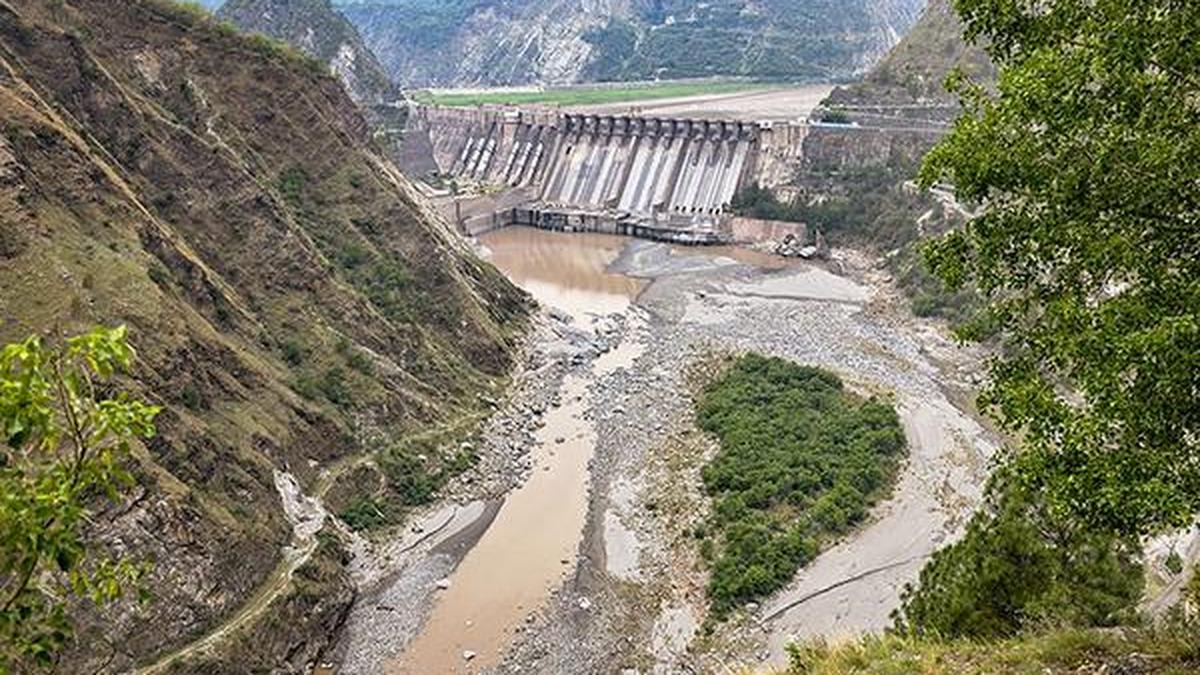
India has declared the Indus Waters Treaty functionally defunct, citing Pakistan's persistent support for cross-border terrorism. The government is now seeking a formal review and renegotiation of the 1960 agreement.
The Unraveling of the Indus Waters Treaty: A Strategic Shift
For over six decades, the Indus Waters Treaty (IWT) has served as a rare diplomatic success story between India and Pakistan, brokered by the World Bank in 1960. However, recent developments indicate a fundamental breakdown in this framework. As of July 2026, Indian government sources have explicitly stated that the treaty will no longer remain operational in its present form. This shift represents a significant hardening of India’s stance, moving away from long-standing status quo policies toward a more assertive diplomatic and strategic posture.
The Catalyst: Security and Sovereignty
The deterioration of the IWT is inextricably linked to regional security concerns. The Indian government has formally placed the treaty in a state of "abeyance" following the Pahalgam terror attack. New Delhi maintains that Pakistan's continued sponsorship of cross-border terrorism has fundamentally altered the conditions under which the treaty was signed. By linking water-sharing obligations to national security, India is signaling that it no longer views the treaty as an isolated technical agreement, but rather as an instrument of statecraft that must reflect current geopolitical realities.
Modernizing the Framework
Beyond security, India’s push for a review is rooted in the necessity to adapt to modern challenges. The government has cited demographic shifts, the urgent need for clean energy development, and evolving climate realities as primary drivers for seeking a modification of the 1960 agreement. The current treaty, designed in a different era, is viewed by Indian authorities as insufficient to address the contemporary water management requirements of a rapidly developing nation.
Dispelling Strategic Precedents
Concerns have been raised regarding whether India's departure from the IWT might set a negative precedent for other water-sharing dynamics, specifically regarding China’s activities on the Brahmaputra River. However, Indian officials have clarified that no such risk exists. Unlike the Indus arrangement, India and China do not share a formal, binding treaty regarding the Brahmaputra. Therefore, India’s actions toward Pakistan are localized to the specific context of the IWT and do not create a legal or diplomatic framework that could be leveraged by other regional actors.
The Path Forward: Renegotiation or Abandonment?
While India has stopped short of formally abandoning the treaty, the message is clear: the status quo is untenable. The government has signaled that if water-sharing provisions are to be reactivated, they must be restructured entirely. By moving to a position where the treaty in its current form "no longer exists," India is pressuring Islamabad to address the underlying security issues that have crippled the agreement. Whether this leads to a new, modernized accord or a total dissolution of the agreement remains one of the most critical questions in South Asian geopolitics today.
Multiple Citing Sources
Verification Required?