Isro’s GSLV-F17 successfully places EOS-05 Earth observation satellite in geosynchronous orbit
Source Entity
U TEJONMAYAM
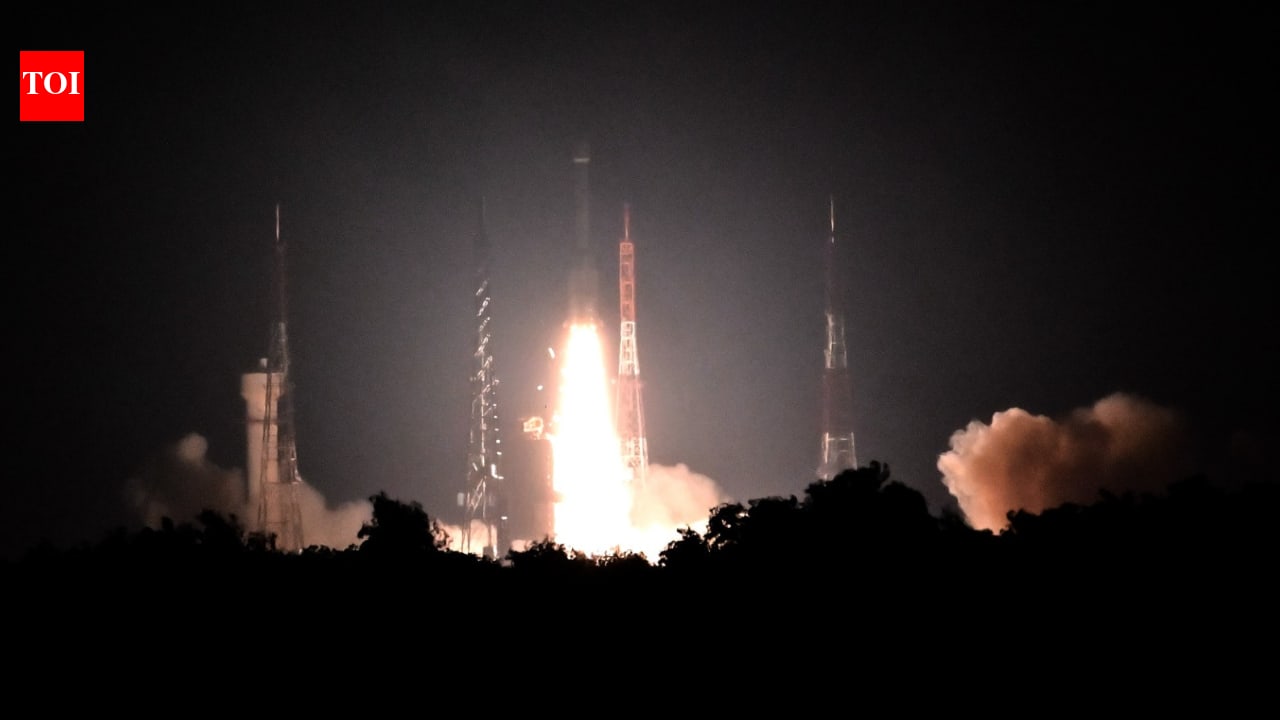
ISRO has successfully launched the EOS-05 Earth observation satellite using the GSLV-F17 rocket. This mission marks India's first imaging satellite deployed into a geosynchronous orbit to enhance real-time monitoring and disaster management.
India Bolsters Space Surveillance with EOS-05 Launch
In a significant milestone for India's space program, the Indian Space Research Organisation (ISRO) successfully launched the EOS-05 Earth observation satellite aboard the GSLV-F17 rocket. The mission, which lifted off from the Satish Dhawan Space Centre (SDSC-SHAR) in Sriharikota, represents the 19th flight of the Geosynchronous Satellite Launch Vehicle (GSLV) series. The precision of the launch, following a 27-hour countdown, underscores the growing reliability of India’s heavy-lift launch capabilities.
Strategic Positioning in Geosynchronous Orbit
What distinguishes EOS-05 from previous Indian Earth observation missions is its specific placement into a Sub-Geosynchronous Transfer Orbit (Sub-GTO). As the country's first imaging satellite intended for this specific orbit, it provides a unique vantage point compared to satellites in Low Earth Orbit (LEO). By maintaining a geosynchronous presence, the satellite offers persistent, real-time monitoring capabilities over the Indian subcontinent, which is essential for national security and border surveillance.
Enhancing National Capabilities
Beyond the strategic implications, the EOS-05 mission is designed to provide critical data for domestic infrastructure and civil services. The satellite is equipped to facilitate advanced imaging that will assist in agricultural monitoring, helping to predict crop yields and manage resources more effectively. Furthermore, its real-time observation capacity is a vital asset for disaster management, allowing authorities to respond rapidly to natural calamities by providing high-fidelity imagery of affected regions.
Technological Maturity of the GSLV-F17
The successful deployment of the 2,367 kg payload highlights the engineering maturity of the GSLV-F17 vehicle. The GSLV, often colloquially referenced in technical circles, has become the workhorse for India’s medium-to-heavy satellite deployment missions. The seamless integration and launch process at the second launch pad at SHAR demonstrate the efficiency of ISRO's ground operations and their ability to handle complex orbital insertions with high success rates.
Broader Implications for Regional Security
While the primary applications are civil, the satellite's ability to provide constant surveillance has clear implications for regional security. By maintaining a '24x7 eye' over critical regions, India significantly enhances its situational awareness regarding neighboring territorial dynamics. The move toward geosynchronous imaging represents a strategic shift in how India utilizes space assets to secure its borders and maintain regional stability.
Future Trends in Indian Space Exploration
Looking ahead, the success of EOS-05 sets a precedent for future missions that require persistent orbital coverage. As ISRO continues to iterate on the GSLV platform, we can expect a transition toward more sophisticated imaging payloads that integrate artificial intelligence for on-board data processing. This mission confirms that India is moving toward a future where space-based assets are not just supplementary, but central to the nation's economic, environmental, and security frameworks.