India wants to review, expand 15-year-old trade pact with Japan
Source Entity
TNN
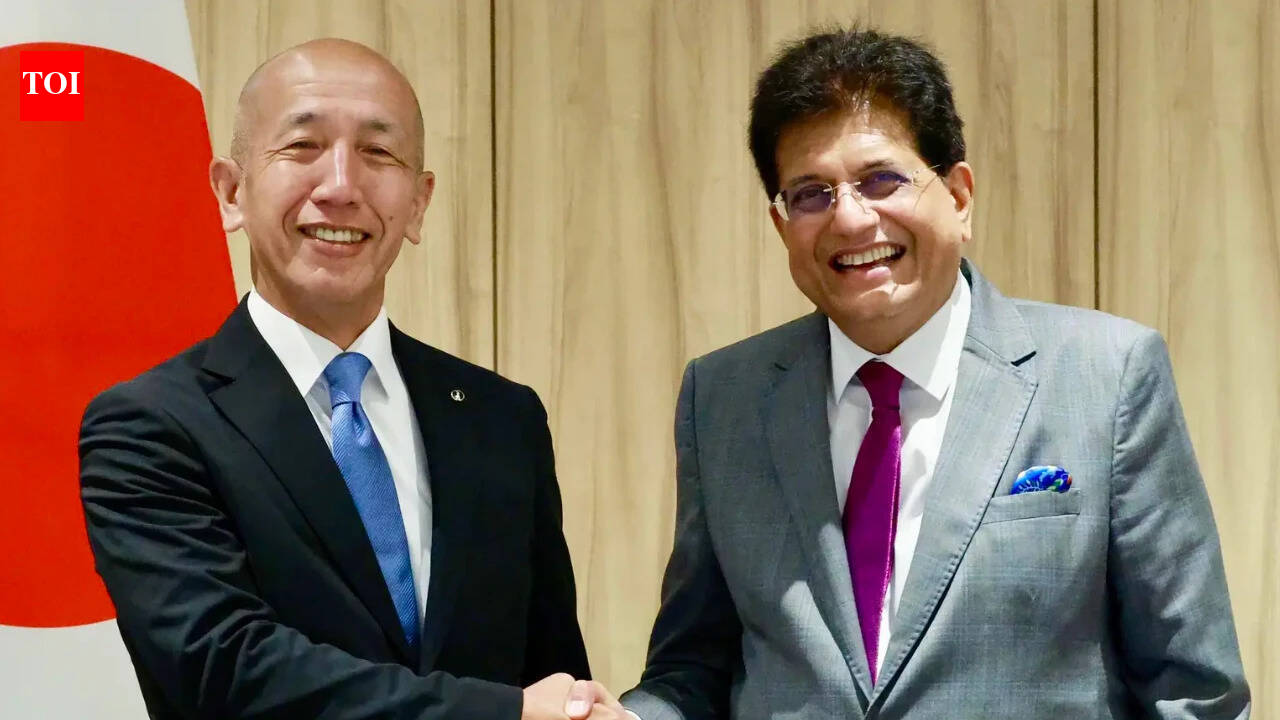
India is pushing to modernize its 15-year-old Comprehensive Economic Partnership Agreement with Japan to boost trade. A recent breakthrough between the two Prime Ministers has paved the way for discussions to expand the pact's scope and address existing trade imbalances.
India and Japan Move to Revitalize the CEPA
India has officially signaled its intent to renegotiate and expand the 15-year-old Comprehensive Economic Partnership Agreement (CEPA) with Japan. The initiative comes after years of persistent efforts by the Indian government to address perceived shortcomings in the original agreement, which many stakeholders believe has failed to provide sufficient market access for Indian goods and services. This push for a review marks a significant shift in diplomatic and economic engagement, moving from a period of Japanese hesitation to a newfound commitment to modernize the trade framework.
Breaking the Deadlock
The impasse regarding the review of the CEPA was broken last month during high-level diplomatic discussions. The Prime Ministers of both nations reached a consensus, acknowledging that the existing agreement is no longer reflective of the current economic landscape. By agreeing that the pact should be made more 'contemporary,' both leaderships have provided the necessary political mandate for trade officials to begin the complex process of renegotiation. This breakthrough is essential, as it transitions the relationship from a static arrangement to a dynamic, evolving partnership.
Analyzing the Trade Landscape
Currently, the bilateral trade volume between India and Japan stands at $27.5 billion. However, a closer look at the data reveals a significant disparity, with India’s exports accounting for only $6 billion of that total. This trade deficit highlights the structural limitations of the current agreement, which has been criticized for not adequately facilitating the entry of Indian products into the Japanese market. The ongoing dialogue, spearheaded by Union Minister of Commerce & Industry Piyush Goyal, aims to rectify these imbalances through direct engagement with key Japanese industrial stakeholders, such as the Aichi Steel Corporation.
Strategic Economic Integration
Expanding the scope of the CEPA is not merely about adjusting tariffs; it is about aligning the two economies for future resilience. By seeking to include more contemporary provisions, India aims to simplify regulatory hurdles, enhance service sector cooperation, and potentially integrate more deeply into Japanese supply chains. Japan, a global leader in high-end manufacturing and technology, represents a vital partner for India’s 'Make in India' initiative. Ensuring that Indian exporters can compete on a level playing field is a critical step toward achieving these broader industrial goals.
Future Outlook and Implications
Looking ahead, the success of these negotiations will depend on the ability of both nations to balance domestic interests with the need for a more integrated regional economic framework. While Japan has historically been cautious, the current geopolitical environment—characterized by a need for supply chain diversification—may provide the incentive required for a more flexible stance. If the review leads to a more comprehensive and accessible agreement, it could significantly boost India’s export profile and strengthen the economic ties between the two democratic powers in the Indo-Pacific region.