Kharif sowing slows as rain deficit hits over half of India’s districts
Source Entity
The Indian Express
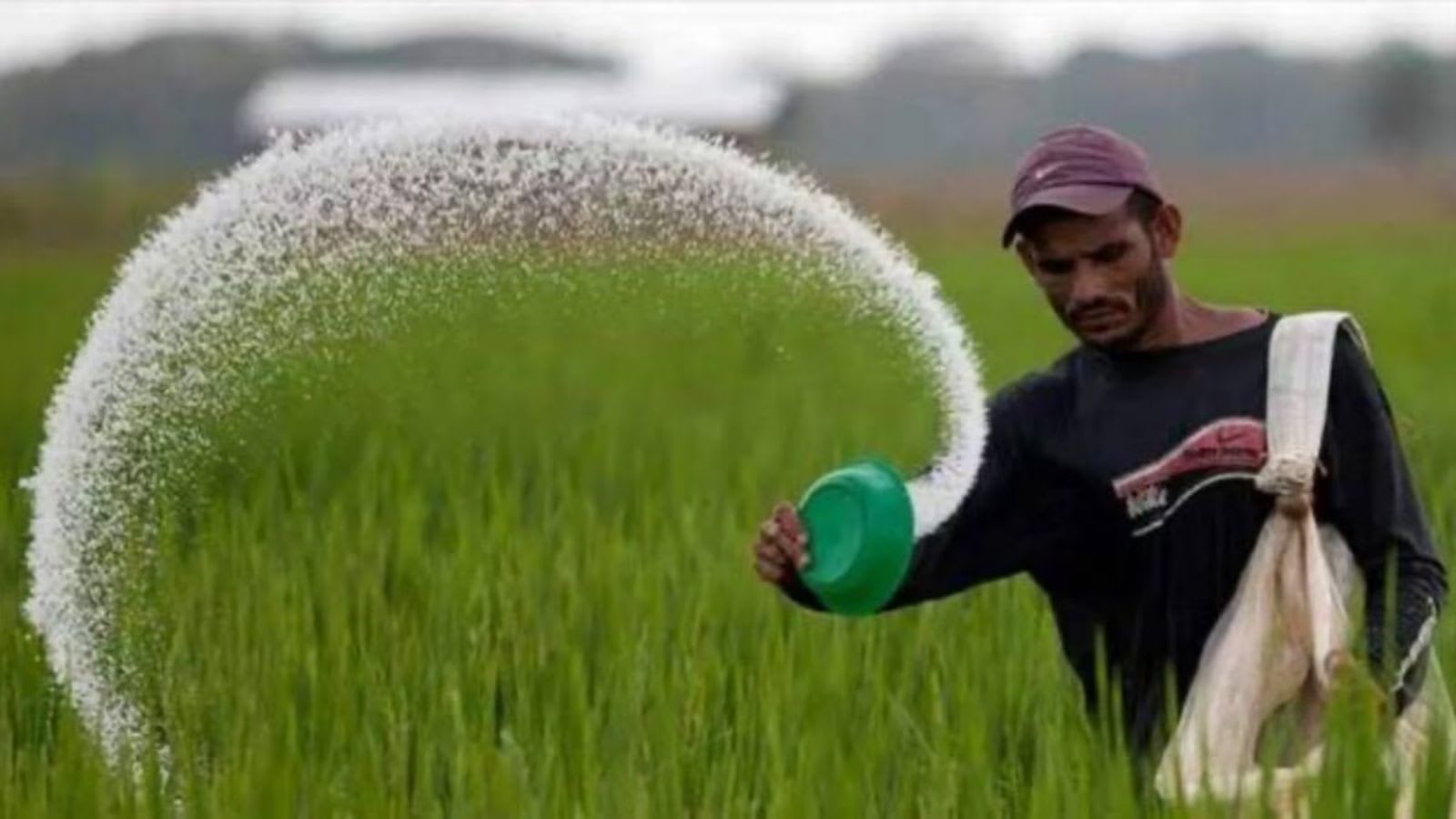
Area coverage under paddy was 8.6 per cent less than last year. (File photo). With more than half of the country’s 741 districts experiencing a rainfall deficit in the current monsoon season amid a l...
The Crisis in India's Kharif Sowing: Rainfall Deficits and Food Security
India's agricultural sector is currently grappling with a critical setback as the Kharif sowing season—the primary planting period that coincides with the southwest monsoon—faces severe disruptions. Recent data indicates that more than half of the country's 741 districts are experiencing a rainfall deficit, a situation that has directly translated into a slowdown in sowing activities. Most alarmingly, the area under paddy coverage has seen a decline of 8.6% compared to the previous year, signaling a potential threat to the nation's primary staple crop production.
The Criticality of Paddy and Water Dependency
The Scale of the Rainfall Deficit
The fact that over 50% of India's districts are facing moisture stress is a systemic failure of the monsoon's distribution. Paddy, the cornerstone of Indian food security, is an exceptionally water-intensive crop. Unlike millets or pulses, rice requires consistent and heavy precipitation or robust irrigation infrastructure to thrive during its initial growth stages. An 8.6% drop in coverage is not merely a statistical dip; it represents thousands of hectares of land left fallow or shifted to less productive alternatives due to the lack of soil moisture, which could lead to a significant shortfall in the total harvest.
Economic Implications and Food Inflation
From an economic perspective, a shortfall in Kharif crops typically triggers a ripple effect across the Indian economy. Agriculture remains a primary source of livelihood for a vast portion of the population. A reduction in sowing leads to lower farmer incomes, which in turn suppresses rural demand for consumer goods, impacting the broader industrial sector. More critically, a decrease in paddy production often leads to a spike in food inflation. As supply tightens, the prices of rice—a dietary staple for millions—are likely to rise, putting additional pressure on low-income households and complicating the central bank's efforts to maintain price stability.
Historical Context and Climate Volatility
This current deficit is not an isolated incident but reflects a growing trend of monsoon volatility. Historically, the Indian monsoon has been the 'real finance minister' of India, dictating the economic health of the country. However, in recent years, the pattern has shifted from steady rains to extreme weather events—characterized by long dry spells followed by intense, short-duration bursts of rain that cause flooding rather than recharging groundwater. This erraticism makes traditional sowing calendars obsolete and increases the vulnerability of rain-fed farming, which still dominates a large percentage of India's arable land.
Future Trends and Necessary Interventions
Looking forward, this crisis underscores the urgent need for a transition toward 'climate-smart' agriculture. To mitigate the risks of rainfall deficits, there will likely be a push toward drought-resistant crop varieties and a shift from paddy to less water-intensive crops like maize or oilseeds in deficit-prone districts. Furthermore, the government may be forced to intervene through the adjustment of Minimum Support Prices (MSP) or by releasing strategic reserves to prevent price shocks in the retail market. The long-term solution remains the expansion of micro-irrigation systems, such as drip and sprinkler irrigation, to decouple agricultural productivity from the whims of the monsoon.
Summary
In conclusion, the current rainfall deficit affecting over half of India's districts is a serious warning sign for the agricultural year. The 8.6% decline in paddy coverage highlights the fragility of the food supply chain in the face of climatic instability. Without immediate mitigation strategies and a long-term shift toward sustainable water management, India remains susceptible to food inflation and rural economic distress.