India Gets Its 1st Hydrogen-Powered Train, Will Run On 89 Km Route In Haryana
Source Entity
NDTV News Search Records Found 1000
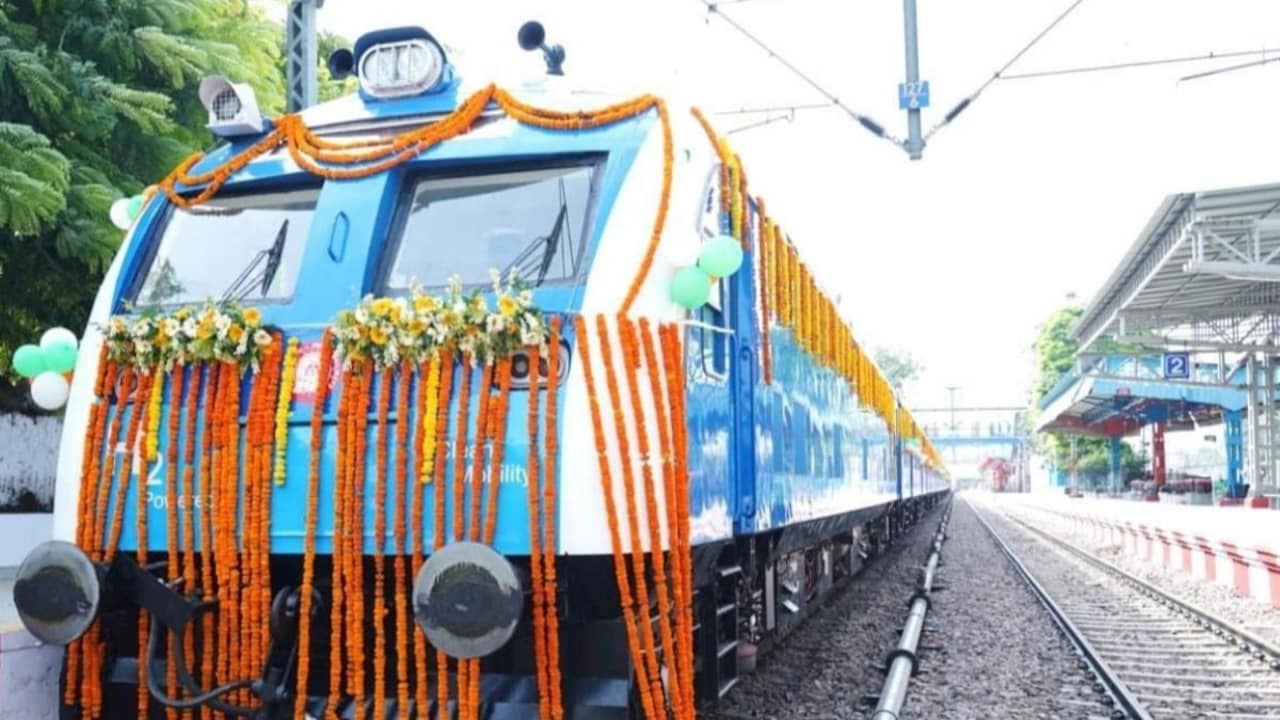
Prime Minister Narendra Modi has inaugurated India's first hydrogen-powered train, marking a significant advancement in green transportation. The 10-coach train will operate on an 89-km route between Jind and Sonipat in Haryana.
India's Green Leap: The Inauguration of Hydrogen Rail
Prime Minister Narendra Modi recently reached a significant milestone in India's sustainable infrastructure journey by flagging off the nation's first hydrogen-powered train. This launch represents a strategic shift in the country's transport policy, moving away from traditional fossil fuel dependence toward cleaner, zero-emission alternatives. By integrating hydrogen fuel cell technology into the national rail network, India is positioning itself as a pioneer in the global transition toward sustainable logistics and public transit.
The Mechanics of Hydrogen Propulsion
At the heart of this innovation is a sophisticated hydrogen fuel cell system. Unlike conventional diesel engines that rely on internal combustion, this technology generates electricity through a chemical reaction between hydrogen and oxygen. This process is remarkably clean, producing no smoke or direct carbon emissions, with water vapour being the only by-product. The train is equipped with a robust power car capable of generating 1,200 kW, further supported by lithium iron phosphate batteries and specialized hydrogen storage cylinders to ensure consistent energy delivery.
Operational Scale and Infrastructure
The project is not merely a prototype but a functional addition to the rail network, featuring a 10-coach configuration designed to accommodate up to 2,600 passengers. The inaugural route spans 89 kilometers between Jind and Sonipat in Haryana. To support this operation, a dedicated hydrogen facility has been established at Jind, which serves as the critical refueling hub for the train. This infrastructure is essential for the logistical viability of hydrogen mobility in the region.
Beyond Railways: The Broader Environmental Impact
The importance of this project extends well beyond the tracks. By demonstrating the efficacy of hydrogen in heavy transport, the Indian government is aiming to decarbonize sectors that are historically difficult to electrify. This move is aligned with global trends in sustainable energy, where hydrogen is increasingly viewed as a key pillar for achieving net-zero targets. The success of this 89-km pilot could provide the blueprint for expanding hydrogen-powered transit to other parts of the country.
Challenges and Future Trajectory
While the launch is a historic success, the path forward involves overcoming significant challenges, such as the scalability of green hydrogen production and the high costs associated with fuel cell technology. However, the commitment shown by the government through the Jind facility suggests a long-term investment strategy. As the technology matures and costs decrease, hydrogen mobility could become a standard feature of India's transit landscape, reinforcing the nation’s commitment to environmental stewardship and technological self-reliance.
Multiple Citing Sources
Verification Required?