Why India’s indigenous AI models need better data for regional languages
Source Entity
The Indian Express
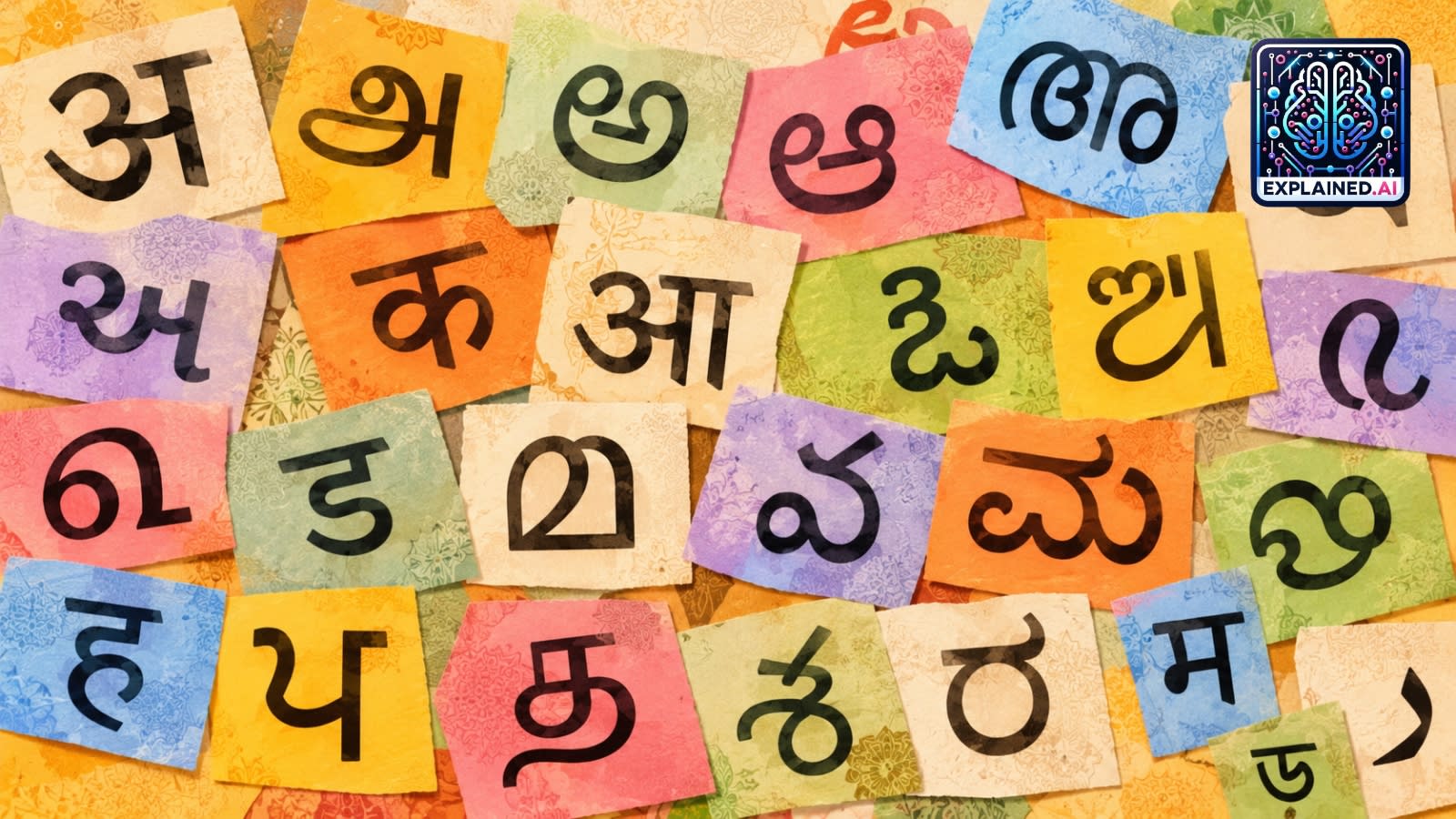
The IndiaAI Mission has launched three indigenous foundation models, EKA-1 and the Dhīr series, to advance AI capabilities in Indian regional languages. These models aim to bridge the linguistic gap in AI, supported by national compute infrastructure.
India’s Strategic Leap in Indigenous AI
On November 3, the IndiaAI Mission, operating under the Union Ministry of Electronics and IT, marked a significant milestone in the nation's technological landscape by releasing three indigenous foundation language models. This move represents a concerted effort to decentralize AI development, ensuring that the digital revolution is not confined to English-centric platforms. By leveraging national AI compute infrastructure, the government is creating a foundation that allows localized innovation to thrive.
The Technical Landscape: EKA-1 and Dhīr Series
The newly released models serve distinct functional roles. EKA-1 is designed as a broad-spectrum tool, covering all 22 scheduled Indian languages, with a focus on complex cognitive tasks including mathematics, coding, and logical reasoning. In contrast, the Dhīr 2B and Dhīr 5B models are specialized for retrieval-augmented generation and document analysis. By supporting 10 Indian languages, these models are specifically tailored to enhance efficiency in government administration and business service delivery.
Bridging the Multilingual Divide
The primary challenge for AI adoption in India has historically been the 'data desert' in regional languages. While global models excel in English, they often falter in nuances of regional syntax and cultural context. These indigenous models are built to address this, aiming to bring regional languages into the mainstream of artificial intelligence. By integrating these languages into the core architecture of LLMs, the IndiaAI Innovation Centre is effectively lowering the barrier to entry for non-English speaking citizens.
Infrastructure as a Catalyst
A critical factor in the success of these models is the provision of subsidized access to national AI compute infrastructure. Developing foundation models requires immense GPU power and data processing capabilities, which can be cost-prohibitive for private startups. By subsidizing this infrastructure, the government is democratizing the ability to build advanced AI, fostering a competitive environment where indigenous solutions can challenge global incumbents.
Broader Implications and Future Trends
The deployment of these models signals a shift toward 'sovereign AI,' where nations prioritize the development of models that reflect their own linguistic and cultural data sets. Looking ahead, the effectiveness of these models will depend on their ability to scale and the quality of their training data. As the IndiaAI Mission continues, we can expect to see further iterations that integrate more dialects and specialized industry datasets, ultimately transforming how the public sector interacts with technology.
Conclusion
The release of EKA-1 and the Dhīr models is a foundational step in ensuring that India’s digital future is inclusive. By prioritizing linguistic diversity through robust compute support, the Union Ministry of Electronics and IT is positioning India as a leader in the development of multilingual, specialized AI frameworks. The success of these models will likely set a global benchmark for how diverse nations can leverage AI to bridge language gaps in governance and commerce.