Government may link motor insurance premiums to traffic violations
Source Entity
DIPAK K DASH
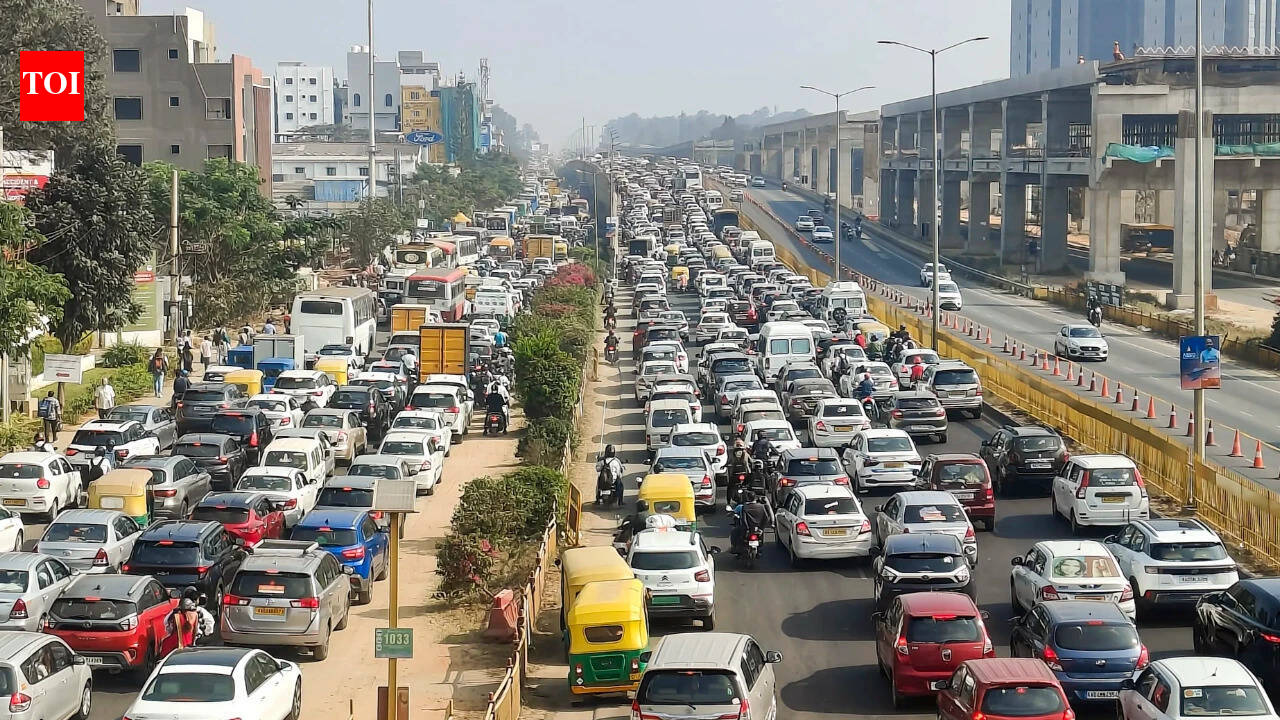
The Indian road transport ministry is proposing to link traffic violation records to insurance premiums to combat the high number of uninsured vehicles. Additionally, pilot programs for multi-year insurance policies and a 'no insurance, no fuel' mandate are being explored to improve road safety and compliance.
Rethinking Road Safety: The Link Between Violations and Insurance
The Indian Ministry of Road Transport and Highways is currently evaluating a transformative policy framework aimed at curbing the pervasive issue of uninsured vehicles on national roads. By proposing a mechanism that bridges the gap between traffic enforcement and financial liability, the government aims to create a more accountable ecosystem for vehicle owners. Central to this initiative is the potential integration of traffic violation records directly into insurance underwriting processes.
The Mechanics of Premium Adjustment
Under the proposed model, insurance premiums would no longer be static figures based solely on vehicle age and model. Instead, the ministry is exploring a dynamic pricing structure where past traffic violations could lead to an increase in insurance costs. This move is designed to incentivize safer driving habits, as irresponsible behavior on the road would carry a direct financial penalty in the form of higher insurance renewals. This shift mirrors global insurance practices where risk-based pricing is used to encourage compliance with safety regulations.
Addressing the Uninsured Vehicle Crisis
Beyond behavioral modification, the government is tackling the logistical hurdle of uninsured vehicles through structural policy changes. The ministry is considering the introduction of standardized, unified insurance premiums for specific vehicle categories, including a four-year policy for cars and a six-year policy for two-wheelers. By streamlining the duration and cost of insurance, the state hopes to reduce the administrative burden on vehicle owners and increase the overall penetration of motor insurance, which remains a significant safety concern.
The 'No Insurance, No Fuel' Pilot
Perhaps the most stringent measure under consideration is the 'no insurance, no fuel' initiative. Backed by the Supreme Court committee on road safety, this pilot program seeks to mandate valid insurance coverage as a prerequisite for refueling at select stations. This strategy effectively turns fuel retailers into enforcement checkpoints, ensuring that uninsured vehicles are identified and restricted from regular operation. This practical application of policy could serve as a powerful deterrent against driving without mandatory coverage.
Future Implications and Electric Mobility
As the automotive landscape in India shifts toward sustainable transportation, the ministry is also reviewing the base premium structures for electric vehicles (EVs). Integrating EVs into this comprehensive insurance review ensures that the policy framework remains relevant to modern vehicle technology. As these measures move from proposal to implementation, the long-term goal is to decrease the high incidence of uninsured accidents, thereby ensuring better financial protection for victims and fostering a culture of road discipline across the country.