Land acquisition compensation doubled illegally: HC directs NHAI to furnish data of last six years
Source Entity
Latest News: Todays Latest News Headlines from India & World | Hindustan Times
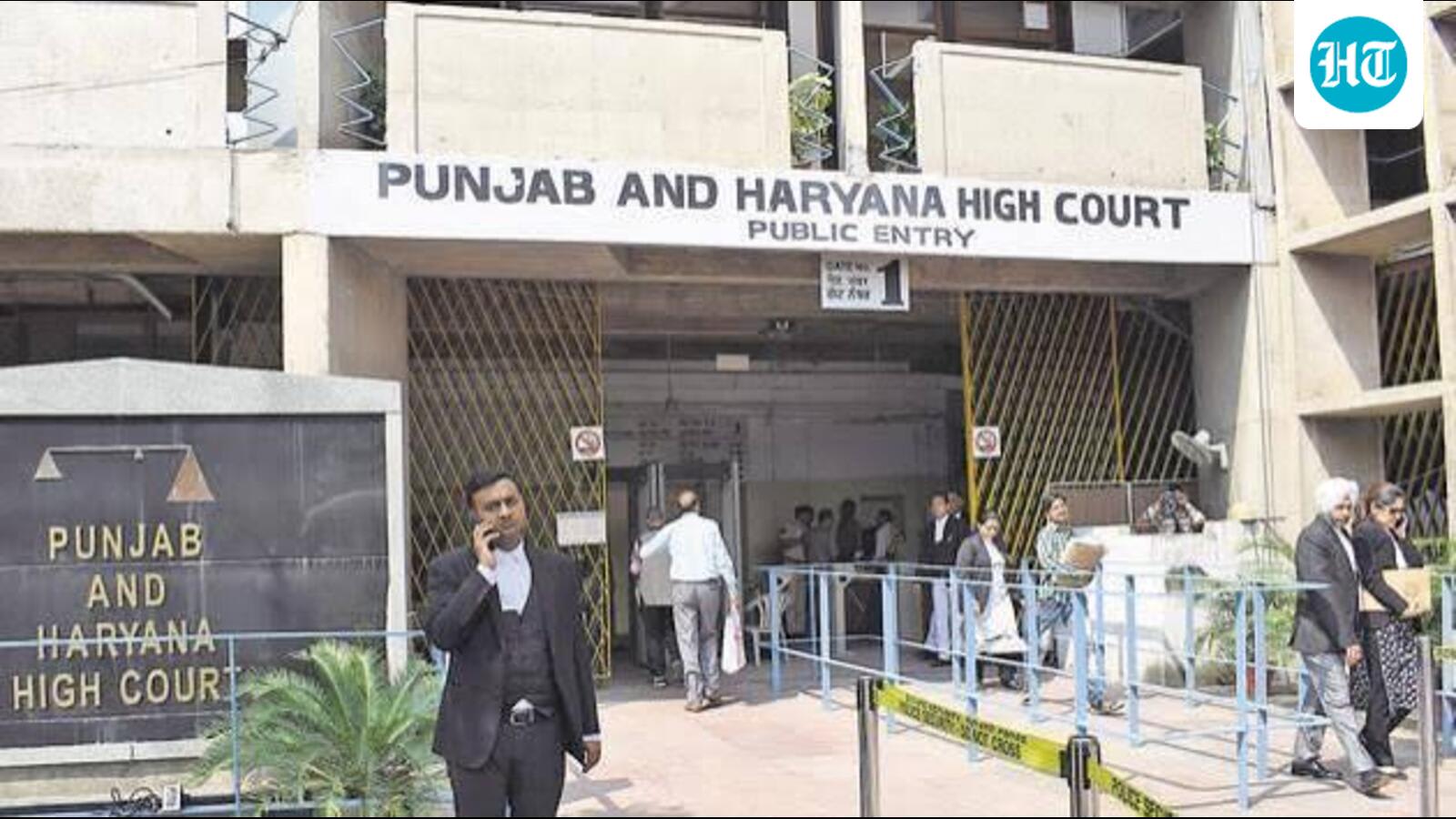
The Punjab and Haryana High Court has ordered the NHAI to audit land acquisition compensation payments from 2019 to 2025 following reports of illegal inflation. The court suspects deliberate financial irregularities favoring landowners in federal infrastructure projects.
Judicial Scrutiny of Land Acquisition Irregularities
The Punjab and Haryana High Court has initiated a significant legal inquiry into land acquisition practices, specifically targeting the National Highways Authority of India (NHAI). This intervention stems from the discovery that compensation amounts were illegally doubled in certain acquisition cases, raising severe questions regarding the integrity of the land compensation process for infrastructure development.
The Scope of the Investigation
The court’s directive requires the NHAI to furnish a comprehensive report detailing all instances of inflated compensation payments across Punjab between 2019 and 2025. This investigation is tethered to a series of petitions filed by the NHAI concerning the widening of National Highway-95 (NH-95), a critical arterial road connecting Mohali to Ferozepur. By demanding six years of historical data, the court aims to determine whether these irregularities are isolated incidents or part of a systemic pattern of financial misconduct.
Discrepancies in State vs. Federal Acquisitions
A particularly damning observation made by Justice Jagmohan Bansal highlights a jarring inconsistency: these instances of inflated compensation appear exclusively in land acquired for NHAI or railway projects, rather than in land acquired by the Punjab state government for its own purposes. This discrepancy suggests that administrative oversight or corruption may be specifically targeting central government projects, potentially exploiting the funding mechanisms or legal frameworks unique to federal infrastructure expansion.
Allegations of Undue Advantage
The court has explicitly noted that state authorities appear to be either intentionally or unintentionally extending "undue advantage" to landowners. This phrasing from the bench underscores a suspicion that the process—which should be governed by transparent, statutory valuation methods—has been manipulated to benefit private parties at the expense of the public exchequer. Such actions not only inflate the cost of infrastructure projects but also undermine public trust in state-led development initiatives.
Broader Implications and Future Trends
This judicial intervention serves as a warning to administrative bodies involved in land acquisition. As India continues its aggressive push for nationwide connectivity through highway expansion, the financial burden of land acquisition remains a major hurdle. If the court finds that systemic corruption has occurred, it may necessitate a complete overhaul of how the Competent Authority for Land Acquisition (CALA) operates in the region. Future trends suggest stricter judicial oversight and perhaps a move toward digital, automated valuation processes to minimize human interference and potential for graft.
Conclusion
The High Court’s order acts as a necessary check on administrative power. By forcing transparency upon the NHAI and state authorities, the court is addressing the root cause of project delays and cost overruns. The outcome of the submitted report will be pivotal in determining whether administrative reforms are required to safeguard public funds in future infrastructure projects across the nation.
Verification Required?