Govt. cuts windfall tax on export of petrol, diesel and ATF
Source Entity
India Latest News: Top National Headlines Today & Breaking News | The Hindu
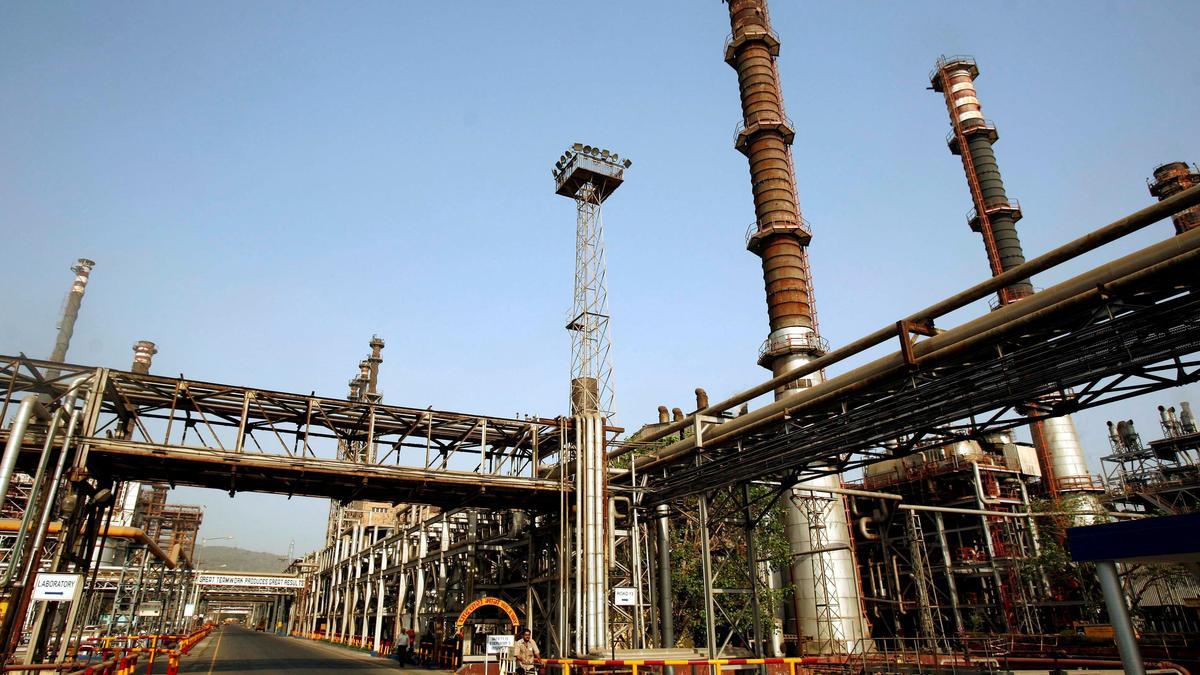
The Indian government has reduced export levies on petrol, diesel, and aviation turbine fuel effective September 16. This adjustment reverses recent tax hikes, reflecting a strategic response to fluctuating global petroleum market conditions.
Analysis of India's Revised Petroleum Export Levies
Overview of Recent Fiscal Adjustments
On September 16, the Indian government announced a significant downward revision of export levies on key petroleum products, including petrol, diesel, and aviation turbine fuel (ATF). This policy shift, formalized through Finance Ministry notifications, saw the export duty on petrol drop by Rs 1 to Rs 0.5 per litre. Similarly, diesel export levies were reduced by Rs 5 to Rs 20 per litre, while the levy on ATF was lowered by Rs 4 to Rs 15 per litre. These changes, which took effect immediately, represent a tactical pivot from the higher rates that were implemented only a fortnight prior on September 1.
Understanding the Windfall Tax Mechanism
These levies function as a form of windfall tax, a fiscal tool used by the government to capture excess profits generated by oil refiners when global crude prices surge. By taxing the difference between domestic production costs and the high export prices realized in international markets, the government aims to ensure adequate domestic supply and stabilize local pricing. The reversal of these rates underscores the government's commitment to a dynamic, fortnightly review process, allowing fiscal policy to remain responsive to the volatile nature of global energy markets.
Economic Implications for Refiners
For Indian oil refiners, the reduction in export duties acts as a relief measure, potentially improving profit margins on exports that were previously squeezed by the higher levies imposed at the start of the month. By recalibrating these rates from Rs 25 to Rs 20 for diesel and from Rs 1.5 to Rs 0.5 for petrol, the government is signaling a more moderate approach to taxing private sector exports. This balance is critical to maintaining the operational viability of refineries that play a pivotal role in India's energy landscape.
Broader Market Context
India's energy sector is highly sensitive to the global pricing of crude oil. When international prices escalate, private refiners often find it more lucrative to export fuel rather than sell it domestically, which can lead to localized shortages. The government’s use of export taxes serves as a regulatory lever to discourage excessive outward flow of refined products. The decision to lower these rates suggests that either global price pressures have eased or that the government is adjusting its fiscal strategy to better align with current international trade margins.
Future Trends and Outlook
Moving forward, the effectiveness of this policy will depend on the continued monitoring of global commodity trends. The government’s decision to issue these updates on a fortnightly basis provides a predictable framework for industry stakeholders. As energy markets continue to fluctuate, market participants should expect continued agility from the Finance Ministry. The ability to quickly pivot tax rates demonstrates a mature approach to managing domestic energy security while acknowledging the needs of the broader export-oriented industrial sector.
Verification Required?