'US itself regulates foreign funds': MEA hits back at American lawmaker's FCRA Bill remark
Source Entity
ROHITASHWA RANJAN
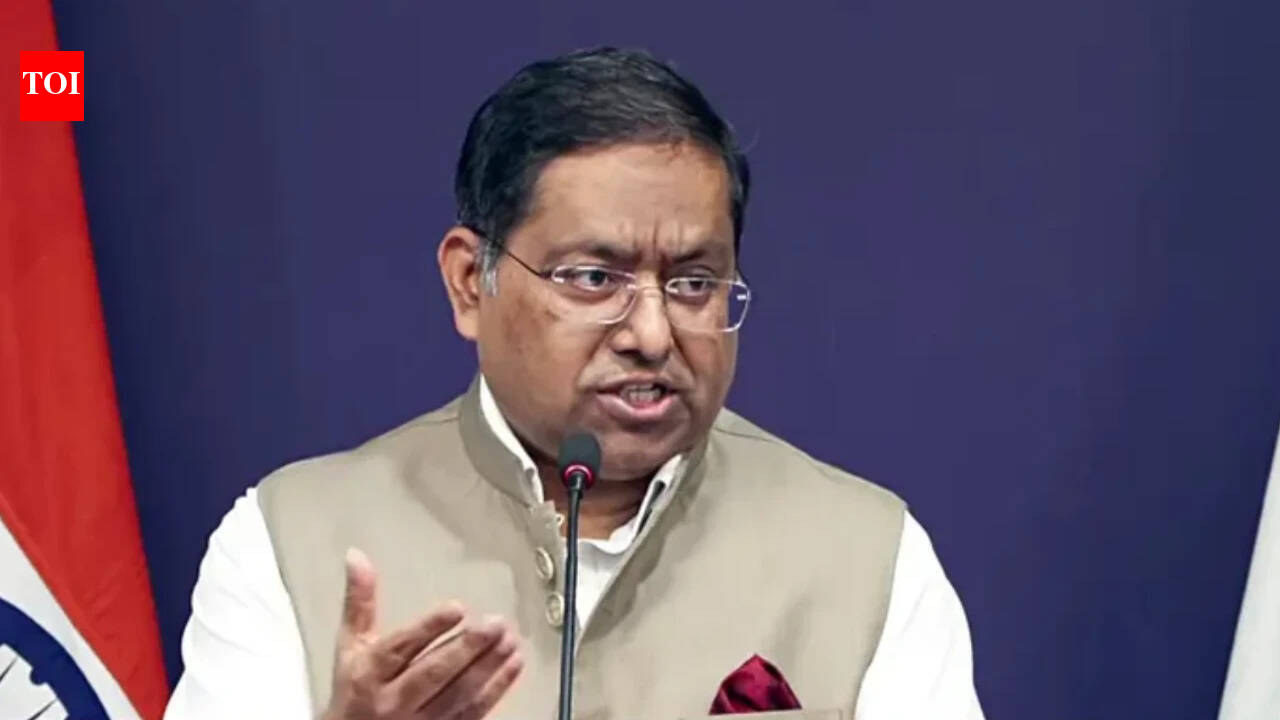
The Indian Ministry of External Affairs has rejected U.S. criticism regarding proposed amendments to India's Foreign Contribution (Regulation) Act. Officials emphasized that legislative decisions are strictly domestic affairs while noting that the U.S. maintains similar regulations on foreign funding.
India Defends FCRA Amendments Amid U.S. Scrutiny
Sovereignty and Legislative Autonomy
The Indian Ministry of External Affairs (MEA), represented by spokesperson Randhir Jaiswal, has firmly dismissed recent criticism from U.S. lawmaker Riley Moore regarding the proposed amendments to India’s Foreign Contribution (Regulation) Act (FCRA). The MEA’s stance is rooted in the principle of legislative sovereignty, asserting that the regulation of foreign funds flowing into domestic organizations is an internal matter to be decided exclusively by the Indian Parliament. This rebuttal highlights the ongoing tension between national regulatory frameworks and international scrutiny regarding the operations of non-governmental entities.
The Role of FCRA in National Security
The FCRA serves as the primary legal instrument through which the Indian government monitors and regulates the receipt and utilization of foreign contributions by organizations operating within its borders. By requiring mandatory registration and strict compliance, the Act aims to ensure that foreign capital does not inadvertently or intentionally compromise national interests, internal security, or public order. The current debate underscores the government's commitment to maintaining oversight over civil society funding, a practice that has historically been subject to rigorous bureaucratic scrutiny.
Comparative Regulatory Landscapes
In response to claims that the amendments could negatively impact India-U.S. bilateral relations, the Indian government pointedly remarked that the United States itself maintains stringent regulations governing the flow of foreign funds. By drawing this parallel, the MEA seeks to normalize India’s regulatory posture, suggesting that such oversight is a standard feature of modern statecraft rather than an outlier. This argument serves to contextualize the FCRA within a global framework where nations prioritize transparency in the financial activities of foreign-backed entities.
Geopolitical Implications
The friction between the U.S. legislative perspective and the Indian administrative response reflects broader complexities in the India-U.S. strategic partnership. While both nations share a robust democratic foundation, differences in regulatory philosophy can occasionally lead to diplomatic friction. The U.S. lawmaker’s warning about the potential impact on bilateral ties suggests that domestic Indian policy decisions are increasingly being viewed through the lens of international influence, a trend that may necessitate more nuanced diplomatic engagement in the future.
Future Trends in Regulatory Compliance
As India continues to refine its legislative approach to foreign funding, it is likely that the government will remain steadfast in its pursuit of administrative transparency. Future trends suggest a continued emphasis on digitized compliance and stricter monitoring of financial flows to ensure that foreign contributions align with national developmental priorities. For international stakeholders, this signifies an era where navigating Indian regulatory requirements will require a deep understanding of the evolving legal landscape and an appreciation for the government's emphasis on domestic legislative control.