Why world is coming to India for medical treatment — and not just because it is cheaper
Source Entity
TRISHA MAHAJAN
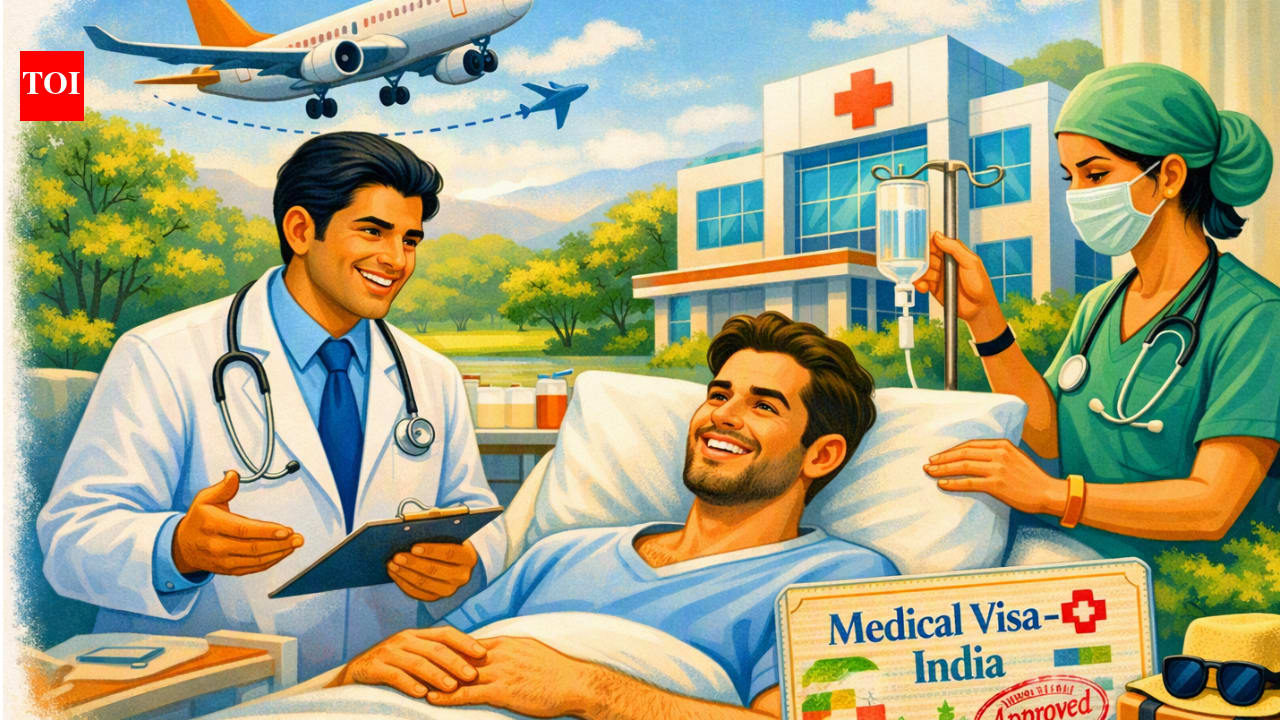
India is emerging as a global hub for medical tourism, driven by high-quality care and cost-effectiveness. The sector is projected to grow significantly, reaching $16.2 billion by 2030.
The Rise of India as a Global Medical Hub
India has rapidly transformed from a regional healthcare provider into a premier global destination for medical tourism. While the phenomenon was historically defined by patients from neighboring nations seeking basic, affordable interventions, the current landscape represents a sophisticated evolution. Today, individuals travel from across the globe to cities like Vadodara, Chennai, and Delhi for specialized procedures, ranging from orthopedic hip replacements to complex IVF treatments.
Economic Projections and Market Growth
The economic trajectory of this sector is robust, underscored by data from the Economic Survey 2025–26. With the market currently valued at approximately $8.7 billion in 2025, projections suggest it will reach $16.2 billion by 2030. This growth is not merely a byproduct of currency exchange rates but is fueled by a concerted government focus on strengthening healthcare infrastructure and streamlining the medical visa process to accommodate international patients.
Beyond Affordability: The Quality Advantage
While cost-effectiveness remains a significant draw, the decision-making process for international patients has shifted. India now ranks 10th on the global medical tourism index, reflecting an improvement in clinical standards and the adoption of cutting-edge technology. Patients are increasingly prioritizing the caliber of medical expertise, the success rates of complex surgeries, and the availability of world-class hospital facilities that meet international accreditation benchmarks.
The Evolving Ecosystem
The medical tourism ecosystem in India is now a multi-layered industry. It encompasses specialized dental care in Chennai, advanced reproductive technology in Delhi, and high-precision orthopedic surgeries in hubs like Vadodara. This diversification allows India to capture segments of the market that were previously dominated by Western healthcare systems, as the country balances high-quality care with the logistical benefits of a rapidly improving medical infrastructure.
Future Trends and Areas for Improvement
As the industry enters its next phase of growth, the focus is shifting toward scaling digital health integration and enhancing the post-operative recovery experience for international visitors. To maintain its 10th-place ranking and climb higher, the sector must continue to address areas for improvement, such as standardizing patient care protocols across all regions and improving seamless travel-to-treatment transitions. The integration of advanced diagnostics and tele-consultation services is likely to play a pivotal role in the coming years.
Conclusion
India’s ascent in the medical tourism market is a testament to its dual strength in clinical excellence and economic efficiency. By moving beyond the 'low-cost' narrative and positioning itself as a destination for quality-assured, specialized care, India is well-positioned to reach its $16.2 billion valuation by 2030, solidifying its place as a critical node in the global healthcare network.