Monsoon tracker LIVE: Highways blocked after landslides in hill States; floods in Mizoram, Tripura trigger evacuations
Source Entity
India Latest News: Top National Headlines Today & Breaking News | The Hindu
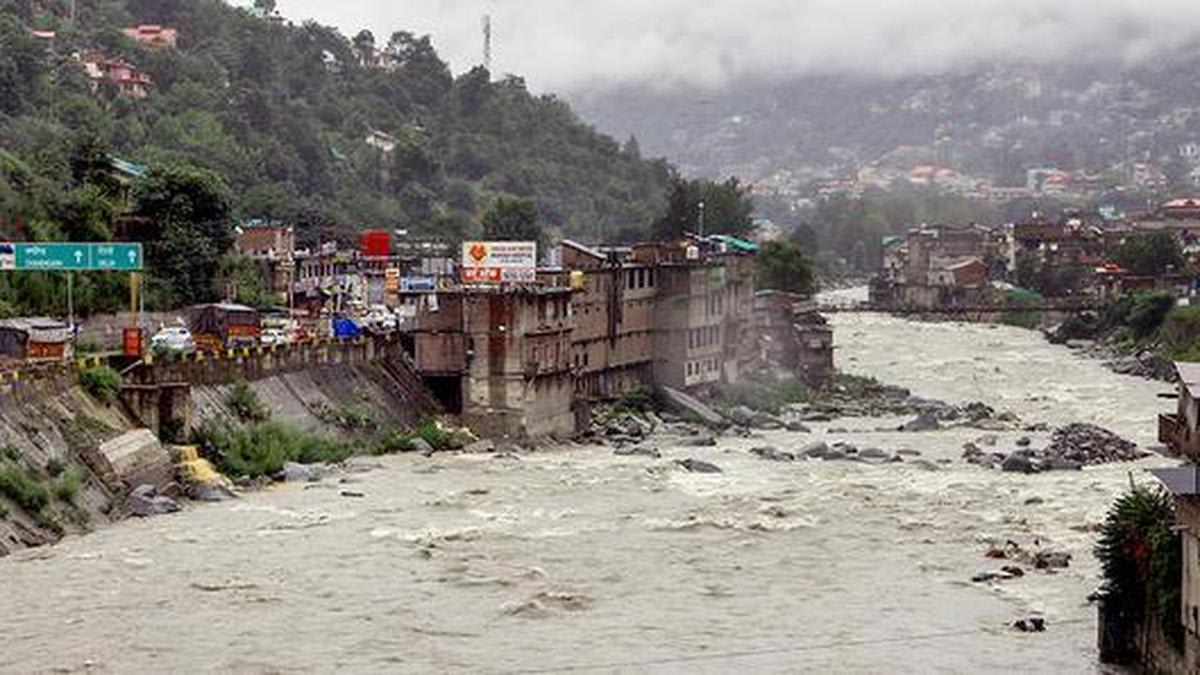
Widespread rainfall lashed large parts of Uttar Pradesh on July 10, bringing daytime temperatures below normal at several places, with heavy to very heavy rainfall being forecast at isolated places
Analysis of Severe Monsoon Impact Across India
India is currently grappling with the intense volatility of the monsoon season, as evidenced by a series of catastrophic weather events spanning from the northern hill states to the northeastern frontiers and the plains of Uttar Pradesh. The reports indicate a multi-pronged crisis: critical infrastructure failure due to landslides, humanitarian emergencies in the northeast, and significant meteorological shifts in the north. This pattern underscores the immense challenge of managing a seasonal weather system that is vital for the nation's agriculture but increasingly destructive to its infrastructure.
Infrastructure Paralysis in Hill States
The reports of blocked highways in the hill states highlight a recurring vulnerability in India's mountainous regions. Landslides, triggered by saturated soil and steep gradients during heavy rainfall, often sever the primary arteries connecting remote communities to urban centers. These blockages do more than just impede travel; they disrupt the supply chain for essential goods and delay emergency medical responses. Historically, these regions have struggled with unsustainable construction practices that exacerbate soil instability, making the current landslides a symptom of both natural volatility and anthropogenic pressure on the landscape.
Humanitarian Crisis in Mizoram and Tripura
In the northeast, the situation in Mizoram and Tripura has escalated into a full-scale emergency with the triggering of mass evacuations. Flooding in these states is often exacerbated by the complex topography and the overflow of river systems that cannot contain the sudden influx of monsoon precipitation. The necessity for evacuations suggests that water levels have breached critical thresholds, threatening residential areas and livestock. This volatility in the northeast is a critical point of concern, as these states often face logistical hurdles in receiving rapid federal aid due to their geographical isolation.
Meteorological Shifts in Uttar Pradesh
While the hill states and the northeast face structural and flood-related disasters, Uttar Pradesh is experiencing a different but equally significant impact. The widespread rainfall on July 10 has led to a noticeable drop in daytime temperatures, providing temporary relief from the heat but introducing the risk of isolated, very heavy rainfall. In the agricultural heartland of the Indo-Gangetic plain, such rainfall is a double-edged sword; while it is essential for the Kharif crops, excessive localized downpours can lead to waterlogging, potentially damaging crops and disrupting local transport networks.
The Broader Context of the South West Monsoon
To understand the gravity of these events, one must consider the broader role of the South West Monsoon. This system is the lifeblood of the Indian economy, providing the majority of the annual rainfall required for farming. However, the distribution of this rain has become increasingly erratic. The simultaneous occurrence of landslides in the hills, floods in the northeast, and heavy rain in the plains indicates a high-intensity weather pattern that pushes the environment to its breaking point, shifting the narrative from 'seasonal replenishment' to 'disaster management.'
Future Trends and Climate Implications
Looking forward, the intensity of these events points toward a trend of 'extreme weather clustering.' Expert knowledge suggests that climate change is altering the moisture-carrying capacity of the atmosphere, leading to more concentrated bursts of rainfall rather than steady precipitation. This trend suggests that India will likely see an increase in 'flash' events—flash floods and flash landslides—requiring a fundamental shift in urban planning and disaster preparedness. The reliance on reactive evacuations must transition toward proactive, data-driven early warning systems to minimize loss of life.
Conclusion
The current monsoon tracker reports paint a picture of a nation under significant environmental stress. From the blocked highways of the hills to the submerged villages of Mizoram and Tripura, and the cooling plains of Uttar Pradesh, the impact is systemic. The coherence of these reports confirms a widespread meteorological event that demands coordinated state and federal responses to ensure infrastructure resilience and the safety of displaced populations.
Verification Required?