India Steps In To Identify Flood Victims As Nepal Buries Unclaimed Bodies
Source Entity
NDTV News Search Records Found 1000
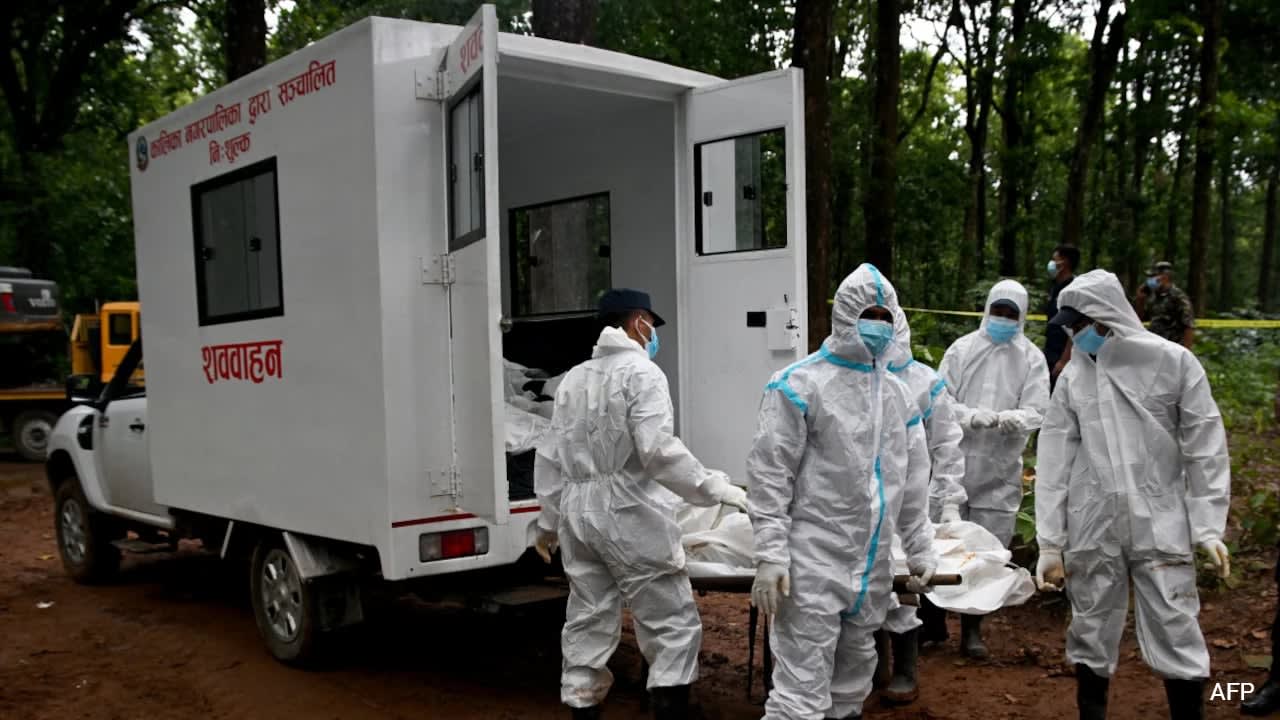
A specialized 19-member Indian forensic team is assisting Nepal in identifying victims of recent catastrophic floods using advanced DNA technology. Simultaneously, Nepali authorities are struggling to secure bank vaults washed away by the deluge to prevent theft and maintain order.
Collaborative Disaster Response in Nepal
In the wake of devastating flash floods that have ravaged Nepal, a specialized 19-member Indian forensic team has arrived to assist local authorities. Led by Bhargav Patel of the National Forensic Sciences University (NFSU), the delegation—comprising experts from the NFSU and the Central Forensic Sciences Laboratory (CFSL)—is working alongside the Nepal Police and Tribhuvan University Teaching Hospital. This collaboration highlights the critical need for advanced Disaster Victim Identification (DVI) protocols when dealing with the recovery of mutilated remains in large-scale natural disasters.
The Role of DNA Forensics
The mission centers on the painstaking collection of biological samples from both the deceased and surviving family members. By leveraging advanced DNA technology, the teams aim to provide closure to families in a situation where visual identification is impossible due to the condition of the bodies. This systematic approach, previously utilized in high-profile tragedies such as the Air India accidents, ensures that the identification process remains scientifically rigorous despite the chaotic environment of a post-flood landscape.
Challenges in Identification and Recovery
Nepal’s local authorities have been significantly overwhelmed by the sheer volume of casualties and the logistical nightmare of the recovery efforts. The decision to bury unclaimed bodies is a grim necessity caused by the inability to process remains quickly enough. The Indian intervention provides a vital technical boost, allowing for the preservation and analysis of genetic data that might otherwise be lost, ensuring that the identity of the victims remains verifiable for legal and humanitarian purposes.
Security Concerns Amidst Chaos
Beyond the humanitarian crisis, the floods have triggered a secondary security challenge: the loss of bank infrastructure. Reports indicate that at least 20 bank vaults containing significant amounts of cash and valuables were washed away across regions like Rasuwa, Dhading, and Chitwan. The Nepal Police, led by DIG Abi Narayan Kafle, are currently balancing the search for missing persons with the critical task of locating these unsecured vaults to prevent them from falling into the hands of opportunists.
Broader Implications and Future Trends
This incident underscores the fragility of infrastructure in Himalayan regions susceptible to climate-induced flash floods. The intersection of humanitarian disaster management and financial security highlights a growing need for disaster-resilient banking infrastructure in high-risk zones. As climate patterns become more volatile, regional cooperation—such as the technical support provided by India—will become an essential framework for South Asian nations to manage the aftermath of increasingly frequent and severe environmental disasters.
Conclusive Summary
The ongoing operation in Nepal is a testament to the importance of cross-border forensic cooperation during humanitarian crises. While the immediate focus remains on identifying the victims through DNA analysis, the broader challenge of securing physical assets demonstrates the multifaceted nature of disaster recovery. As Nepal continues to navigate this tragedy, the integration of forensic science and local law enforcement remains the primary mechanism for restoring order and dignity to the affected communities.
Multiple Citing Sources
Verification Required?