Janmashtami 2026: Why Krishna’s birth puja extends into September 5 in some cities but ends on September 4 in others
Source Entity
Latest News: Todays Latest News Headlines from India & World | Hindustan Times | Hindustan Times
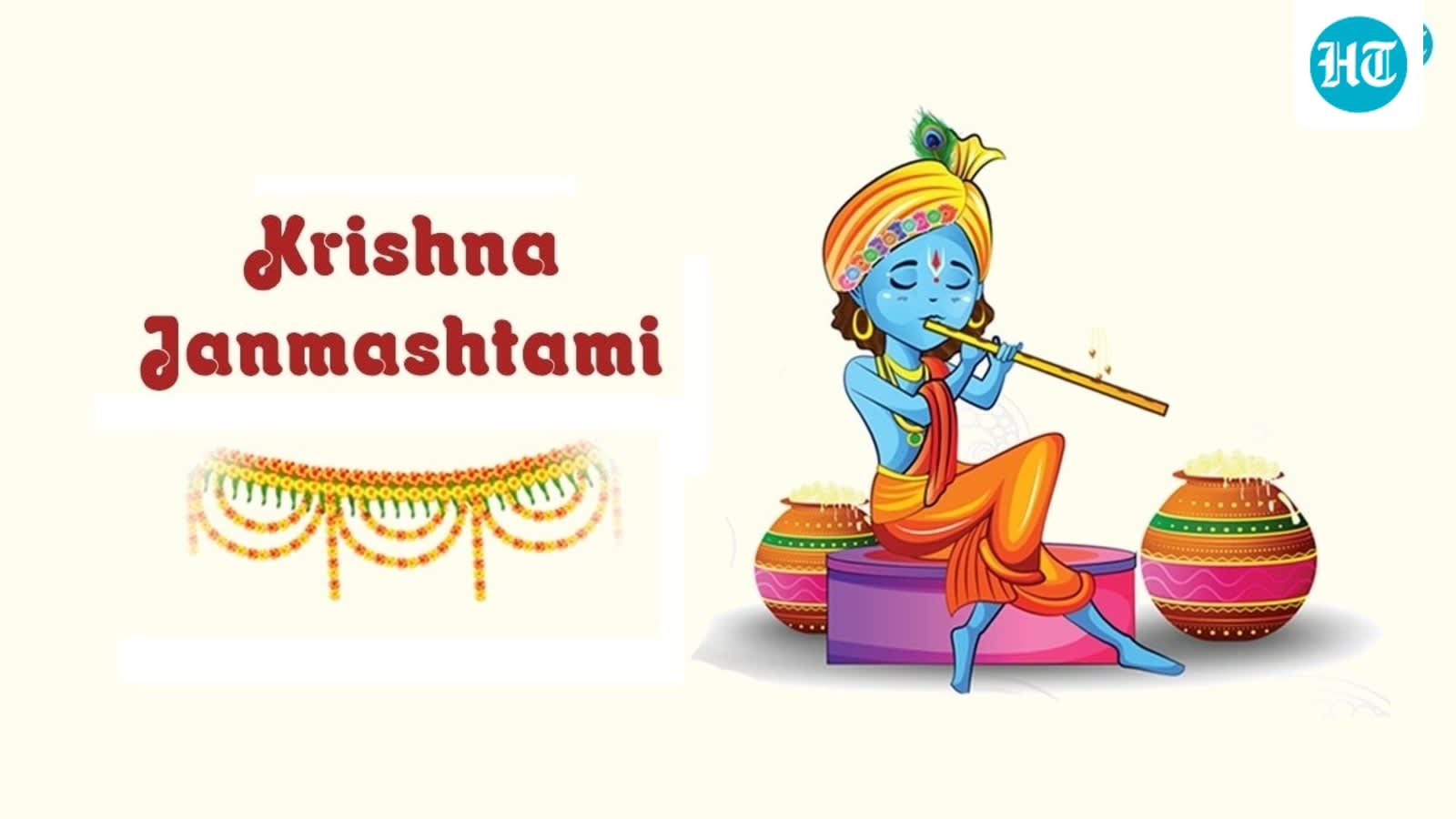
Janmashtami 2026 celebrations are split between September 4 and September 5 due to variations in local Nishita Kaal timings. This lunar-based scheduling creates distinct worship windows across different Indian cities.
Understanding the 2026 Janmashtami Calendar Discrepancy
The celebration of Krishna Janmashtami in 2026 presents a unique scheduling challenge for devotees, as the festival appears to fall on different dates depending on one's geographic location. While the broader Hindu Almanac designates September 4, 2026, as the primary day of observance, the nuances of Vedic timekeeping mean that the sacred midnight hour—the Nishita Kaal—varies significantly across India.
The Role of Nishita Kaal
At the heart of this confusion is the Nishita Kaal, which refers to the specific period around midnight when Lord Krishna is believed to have been born. Because Hindu festivals are governed by lunar cycles and the precise positioning of the Tithi (lunar day) relative to the solar clock, the exact moment of this window shifts as one moves across different longitudes. This astronomical reality forces a bifurcation in how the ritual is observed.
Regional Variations in Observance
For major metropolitan areas such as Mumbai, Pune, and Ahmedabad, the alignment of the lunar phase dictates that the primary midnight puja will occur after the clock strikes midnight, effectively transitioning the celebration into the early hours of September 5, 2026. Conversely, in cities like Kolkata, the celestial alignment results in the designated worship window concluding before the clock crosses into the next day, keeping the observance strictly within the bounds of September 4.
Navigating the Lunar Calendar
This phenomenon serves as a reminder of the complexity inherent in traditional calendar systems. Unlike the Gregorian calendar, which relies on a fixed solar year, the Hindu Almanac tracks the movement of the moon. As a result, the Ashtami Tithi—the eighth day of the waning moon—does not align perfectly with a 24-hour cycle across the entire subcontinent, leading to these localized variations.
Spiritual Significance and Tradition
Beyond the logistics of the calendar, Janmashtami remains a cornerstone of spiritual life, representing the birth of Krishna and the triumph of righteousness. Leaders like Sri Sri Ravi Shankar emphasize that the timing, while subject to astronomical calculations, remains secondary to the intent and devotion of the practitioner. The variation in date is not a contradiction but a reflection of the precision required to honor the specific timing of the deity’s birth according to ancient traditions.
Conclusion
For those planning to participate in the 2026 festivities, it is essential to consult local almanacs or temple schedules rather than relying on a generalized national date. By understanding that the Nishita Kaal is a localized event, devotees can ensure they participate in the rituals at the precise moment intended by the tradition, whether that falls on the night of September 4 or the early morning of September 5.
Verification Required?