PM Modi hails India-New Zealand FTA as ‘historic milestone’, says it will deepen bilateral ties
Source Entity
India Latest News: Top National Headlines Today & Breaking News | The Hindu
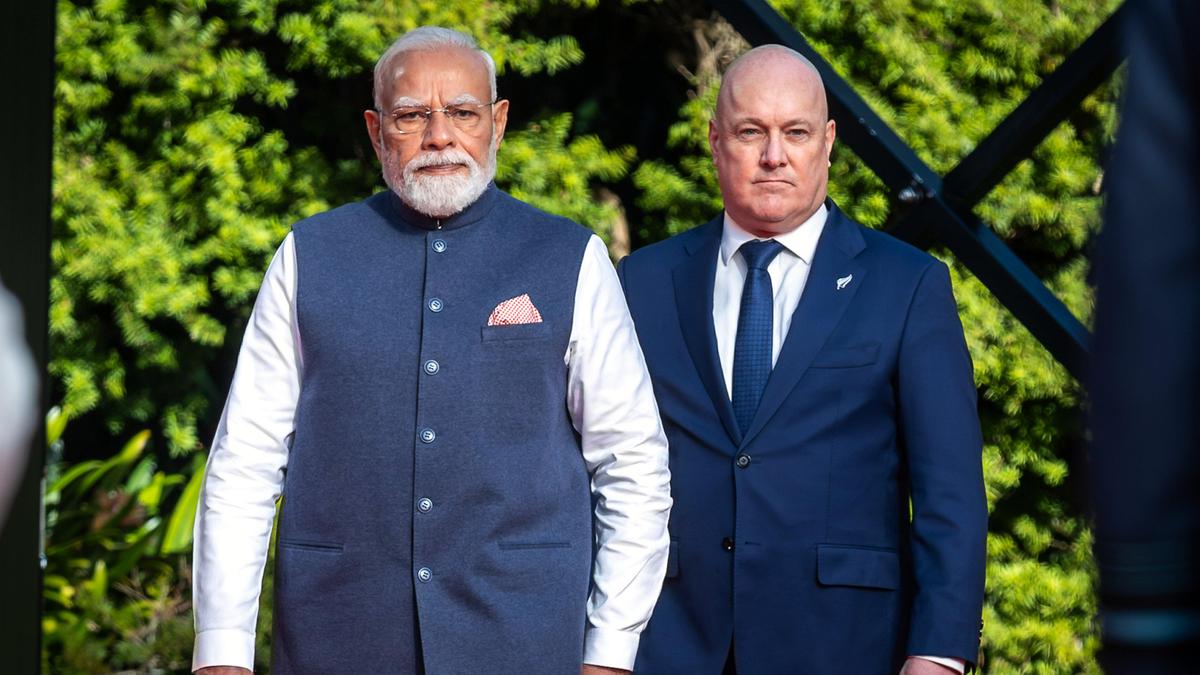
This marks a historic milestone in our relationship, one that revitalises our ties and reaffirms our commitment to friendship, said Prime Minister Narendra Modi
A New Era of Cooperation: Analyzing the India-New Zealand FTA
Prime Minister Narendra Modi has officially characterized the Free Trade Agreement (FTA) between India and New Zealand as a "historic milestone." This declaration signals a significant shift in the diplomatic and economic trajectory of the two nations, moving beyond traditional friendship toward a structured, high-impact economic partnership. By framing this agreement as a tool to "revitalize" ties, the Indian leadership is acknowledging the untapped potential in the bilateral relationship and setting a clear mandate for increased collaboration across multiple sectors.
Economic Implications and Market Access
At its core, an FTA of this nature is designed to dismantle trade barriers, reduce tariffs, and streamline customs procedures. For India, this provides an opportunity to diversify its import sources and export its burgeoning services and technology sectors to the New Zealand market. Conversely, New Zealand stands to gain significantly from expanded access to one of the world's largest and fastest-growing consumer markets. The focus on "deepening ties" suggests that the agreement likely covers not only the exchange of goods but also the facilitation of services, investment protections, and perhaps digital trade frameworks, which are critical for modern economies.
Strategic Alignment in the Indo-Pacific
Beyond the balance sheets, this FTA carries profound geopolitical weight. Both India and New Zealand are key players in the Indo-Pacific region, a zone of increasing strategic competition and economic volatility. By strengthening their bilateral economic bonds, both nations are enhancing their strategic autonomy and building a more resilient network of partners. This move aligns with India's broader strategy of engaging with like-minded democracies in the Pacific to ensure a free, open, and inclusive region, while New Zealand benefits from a closer security and economic alignment with a regional powerhouse.
Sectoral Synergy and Growth Potential
Historically, trade between India and New Zealand has been characterized by specific commodities, but this "historic milestone" suggests a shift toward a more diversified portfolio. We can anticipate increased cooperation in sustainable agriculture, dairy technology, and educational exchanges. India's strength in pharmaceuticals and IT services complements New Zealand's expertise in high-value agri-tech and environmental management. This complementarity is likely the engine driving the "revitalization" mentioned by PM Modi, as both countries seek to leverage their unique comparative advantages to drive mutual growth.
Overcoming Historical Trade Inertia
For years, the relationship between New Delhi and Wellington remained cordial but lacked a comprehensive economic framework. The transition to a formal FTA indicates that both governments have successfully navigated the complex negotiations regarding sensitive sectors—such as agriculture and labor mobility—which often hinder such agreements. The terminology used by PM Modi suggests that the political will to overcome these hurdles has reached a peak, reflecting a shared recognition that the cost of inaction outweighs the challenges of negotiation.
Future Outlook and Long-term Trajectory
Looking ahead, this FTA is expected to serve as a catalyst for increased Foreign Direct Investment (FDI) flows. As businesses in both nations gain legal certainty and reduced costs, we can predict a surge in joint ventures and cross-border investments. Furthermore, this agreement may pave the way for deeper cooperation in climate change mitigation and blue economy initiatives, given New Zealand's leadership in sustainability and India's massive scale of implementation. The "historic" nature of this milestone will be measured by how effectively these high-level commitments translate into grassroots economic opportunities for entrepreneurs and workers in both countries.
Conclusion
In summary, the India-New Zealand FTA is far more than a simple trade deal; it is a strategic realignment. By revitalizing their ties, India and New Zealand are positioning themselves to be more resilient in an uncertain global economy. Prime Minister Modi's endorsement underscores a vision of a partnership based on mutual respect, economic synergy, and a shared commitment to regional stability, marking a definitive turning point in their bilateral history.
Verification Required?