Modi, Luxon elevate India-New Zealand ties, chart 2030 roadmap
Source Entity
Shubhajit Roy
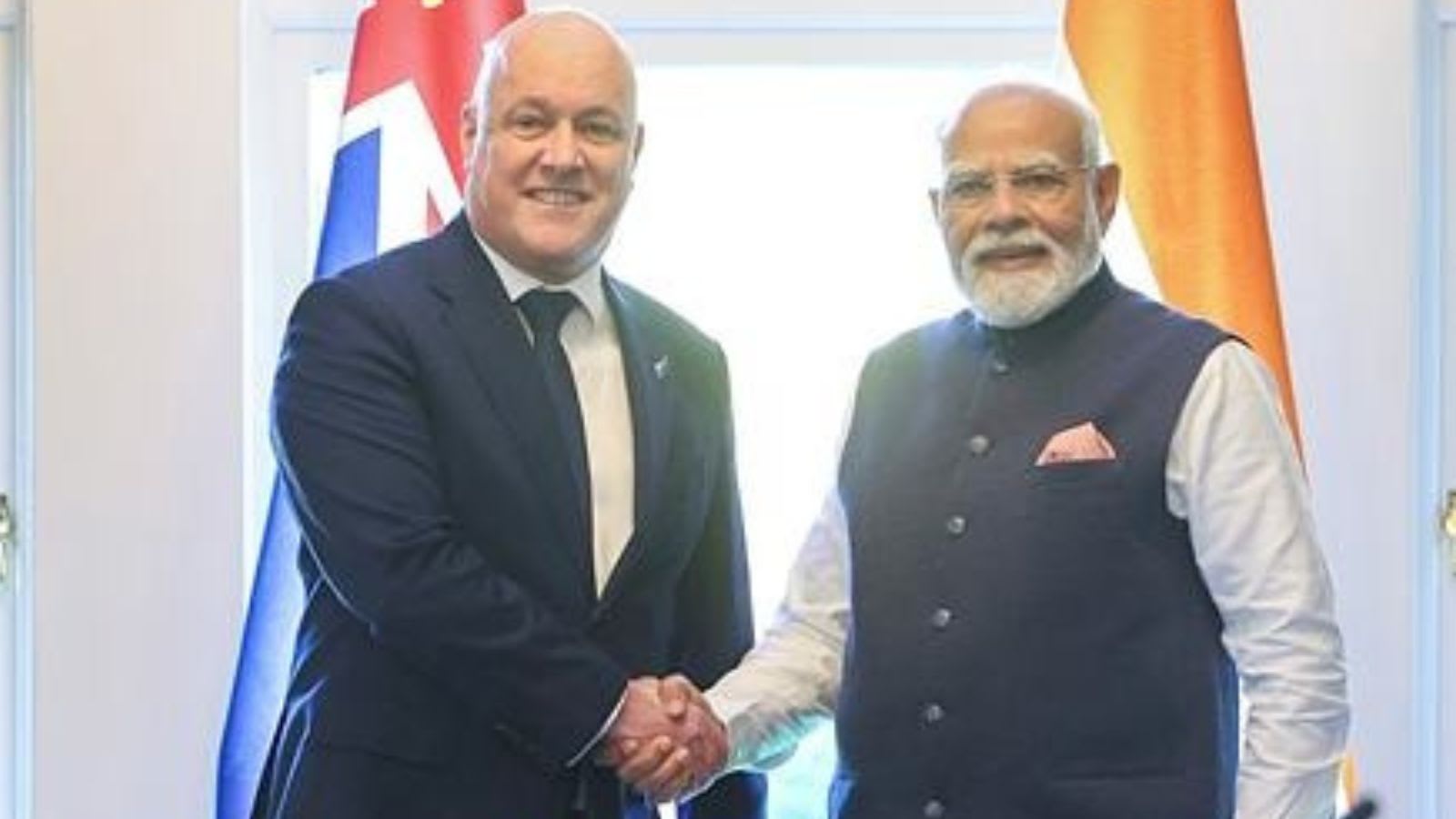
India and New Zealand decided to elevate their bilateral relationship to a ‘strategic partnership’ after Prime Minister Narendra Modi met his counterpart, Christopher Luxon, on Saturday and endorsed t...
Strengthening Ties in the Indo-Pacific: The India-New Zealand Strategic Pivot
In a significant diplomatic milestone, Prime Minister Narendra Modi and New Zealand Prime Minister Christopher Luxon have agreed to elevate the bilateral relationship between their two nations to a 'strategic partnership.' This decision, reached during their recent high-level meeting, is not merely a change in nomenclature but signifies a fundamental shift in how the two democracies perceive their mutual interests. By charting a roadmap that extends to 2030, both leaders have committed to a long-term framework of cooperation that transcends traditional diplomatic exchanges, aiming for deeper integration across political, economic, and security dimensions.
The Weight of a 'Strategic Partnership'
To understand the gravity of this elevation, one must look at the diplomatic hierarchy of international relations. Moving from a general partnership to a 'strategic partnership' typically implies a transition toward higher levels of trust and synchronization. For India and New Zealand, this suggests a future characterized by more frequent high-level ministerial dialogues, potential intelligence sharing, and coordinated stances on global governance. This shift indicates that both nations now view each other as indispensable partners in maintaining regional stability, moving beyond a relationship primarily defined by trade and the diaspora to one defined by shared geopolitical goals.
Analyzing the 2030 Roadmap
The establishment of a roadmap leading to 2030 provides a critical element of predictability and stability. Such long-term planning is essential for sectors that require sustained investment, such as infrastructure, education, and sustainable technology. This roadmap likely focuses on diversifying trade portfolios and enhancing digital cooperation. By setting a 2030 horizon, Modi and Luxon are signaling to global markets and political actors that the India-New Zealand axis is a permanent fixture of the regional architecture, designed to withstand short-term political fluctuations in either capital.
Geopolitical Implications for the Indo-Pacific
This elevation occurs against the backdrop of an increasingly complex Indo-Pacific landscape. Both India and New Zealand are democratic maritime powers with a vested interest in a 'free and open Indo-Pacific.' By strengthening their ties, they are effectively reinforcing a network of like-minded nations dedicated to the rule of law and freedom of navigation. This partnership allows New Zealand to diversify its security and economic dependencies, while providing India with a more robust partner in the South Pacific, thereby extending its strategic reach and influence in the Southern Hemisphere.
Economic Synergy and the Role of the Diaspora
Beyond high-level politics, the strategic partnership is expected to catalyze economic growth. New Zealand, with its strengths in high-quality agriculture and horticulture, finds a massive, growing market in India. Conversely, India's leadership in information technology, pharmaceuticals, and digital public infrastructure offers New Zealand opportunities for technological modernization. Furthermore, the vibrant Indian diaspora in New Zealand serves as a critical 'living bridge,' facilitating people-to-people ties that provide the social capital necessary to sustain these high-level political agreements.
Conclusion: A New Era of Cooperation
In summary, the meeting between Prime Minister Modi and Prime Minister Luxon marks the beginning of a new era in India-New Zealand relations. By upgrading to a strategic partnership and implementing a 2030 roadmap, both nations have acknowledged that their mutual success is intertwined with the stability of the Indo-Pacific. This alignment is poised to yield significant dividends in trade, security, and diplomatic leverage, ensuring that both countries are better equipped to navigate the challenges of the coming decade.