Why India’s oil marketing companies are losing over Rs 500 crore daily
Source Entity
Sukalp Sharma
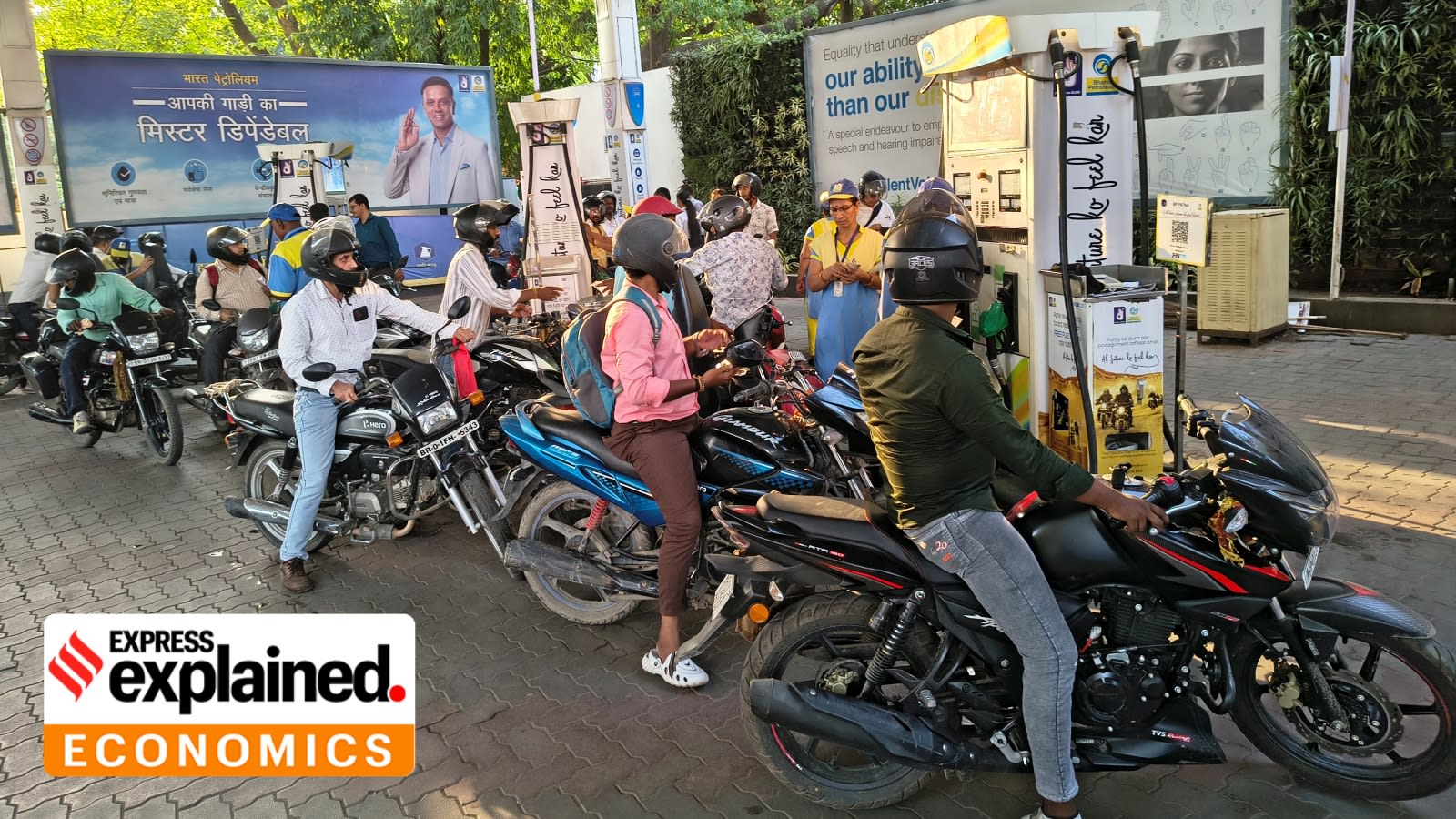
India's oil import bill surged 48% to $74.8 billion between April and August due to global price spikes despite stable import volumes. State-run oil marketing companies are now facing daily losses of Rs 530 crore as retail fuel prices remain stagnant amidst rising international costs.
India’s Energy Economics Under Pressure
India, one of the world’s largest importers of crude oil, is currently grappling with a significant economic challenge as its import bill for the period of April to August soared to $74.8 billion. This represents a staggering 48.4% increase compared to the same period in the previous year. Data released by the Petroleum Planning and Analysis Cell (PPAC) highlights a paradox: while the nation’s total import volume actually saw a marginal decline of 0.4%—dropping to 100.7 million metric tons from 101.1 million tons—the sheer escalation in global crude prices has rendered the country's energy procurement significantly more expensive.
The Impact of Geopolitical Instability
The primary driver of this fiscal strain is the heightened volatility in global energy markets, exacerbated by ongoing conflicts in West Asia. These geopolitical flare-ups have disrupted supply chains and created uneven flow patterns from traditional Middle Eastern suppliers, pushing international crude prices upward. Because India remains heavily dependent on imports to meet its domestic energy requirements, any sustained increase in global benchmarks directly translates into a heavier burden on the national exchequer and the balance of payments.
The Crisis Facing Public Sector OMCs
This inflationary pressure is being acutely felt by India’s three major public sector oil marketing companies (OMCs): Indian Oil, Bharat Petroleum, and Hindustan Petroleum. Despite the global surge in crude costs, retail fuel prices within India have remained largely static. According to calculations from the rating agency ICRA, these companies are currently absorbing massive losses, estimated at Rs 9 per litre on diesel, Rs 8 per litre on petrol, and Rs 300 per cylinder on domestic LPG. This policy of price stabilization for the consumer is costing the OMCs approximately Rs 530 crore in marketing losses every single day.
Broader Macroeconomic Implications
The current model, where OMCs bear the brunt of global price volatility to protect domestic consumers, is becoming increasingly unsustainable. If international oil prices remain elevated—specifically above the $105 per barrel threshold—for the remainder of the financial year, the financial health of these public sector entities could deteriorate significantly. Such a trend threatens to constrain their capital expenditure plans, which are vital for expanding India’s energy infrastructure and transitioning toward greener alternatives.
Future Trends and Policy Outlook
Looking ahead, the government faces a precarious balancing act. Maintaining the status quo on retail fuel prices helps curb inflation for the common citizen but places immense strain on the fiscal stability of state-run energy firms. Future policy adjustments will likely depend on the duration of the current West Asian conflict and the resilience of global supply chains. If price pressure persists, the government may be forced to choose between further subsidization, which impacts the fiscal deficit, or allowing a long-overdue revision of retail fuel prices to reflect the realities of the global market.