Ship-to-ship transfers boost India’s West Asian oil imports, Russian flows see supply pressure
Source Entity
Sukalp Sharma
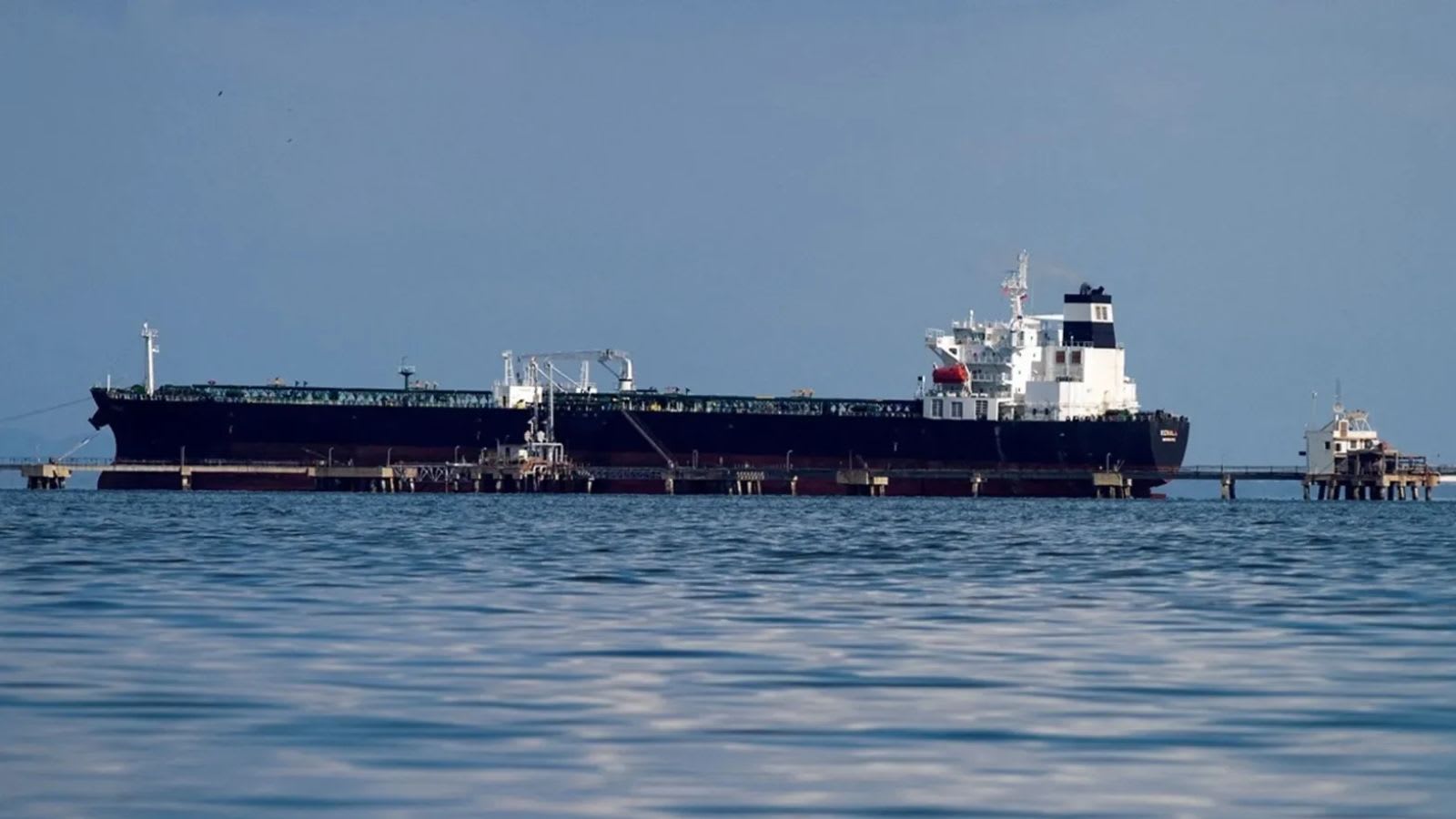
India has increased oil imports from West Asia via ship-to-ship transfers to mitigate supply risks. Meanwhile, Russian crude imports have declined due to heightened Chinese competition and infrastructure disruptions caused by the ongoing conflict.
Shifting Dynamics in India’s Energy Import Landscape
India, as one of the world's largest importers of crude oil, is currently navigating a complex geopolitical and logistical landscape to secure its energy requirements. Recent data indicates a strategic pivot as the nation increases its reliance on West Asian suppliers. This shift is facilitated by the sophisticated use of ship-to-ship (STS) cargo transfers, which allow Gulf nations to navigate the volatile waters of the Strait of Hormuz more efficiently, ensuring a steady flow of crude to Indian refineries despite regional instability.
The Logistics of Resilience
The reliance on STS transfers highlights the critical need for supply chain flexibility in the oil industry. By utilizing these mid-sea transfers, Gulf suppliers can bypass traditional constraints and maintain high export volumes. For India, this development is a tactical advantage, providing a buffer against potential supply chain bottlenecks. As global energy markets remain sensitive to maritime security, these logistical innovations serve as a cornerstone for maintaining energy security in a resource-dependent economy.
The Decline of Russian Crude Imports
Conversely, India’s imports of Russian crude have experienced a downward trend, marking the second consecutive month of decline. This shift is driven by two primary factors: increased competition from Chinese refiners and a contraction in Russian crude availability. The latter is largely attributed to the persistent and targeted Ukrainian attacks on Russia’s critical oil and gas infrastructure, which have hampered domestic production capacity and export efficiency.
Geopolitical Pressures and Policy Balancing
The dual trend of rising West Asian imports and waning Russian supply occurs against a backdrop of intense international diplomatic pressure. The United States has consistently urged top buyers of Russian oil to curtail their purchases, complicating India’s efforts to balance its foreign policy objectives with its economic necessity for affordable energy. By pivoting back toward West Asian suppliers, India is effectively hedging its risks against potential sanctions or supply disruptions associated with Russian energy.
Future Trends in Energy Security
Looking ahead, India’s energy strategy will likely continue to prioritize diversification to insulate its economy from regional shocks. The ongoing conflict in Eastern Europe remains a wild card, as further damage to Russian energy infrastructure could lead to even tighter supplies and higher price volatility. Simultaneously, India’s commitment to meeting its domestic energy needs remains paramount, suggesting that the government will continue to favor whichever suppliers can provide the most reliable and cost-effective access to crude.
Conclusion
In summary, India is successfully adapting to the evolving global energy market by leveraging maritime logistical solutions and diversifying its supplier base. While the decline in Russian imports presents a challenge, the increased availability of West Asian crude offers a necessary reprieve. As global conditions shift, India’s ability to remain pragmatic in its procurement strategy will be essential for sustaining economic growth.