INS Kolkata was on routine deployment, Pakistan vessel conducted in unacceptable manner: MEA
Source Entity
Shubhajit Roy
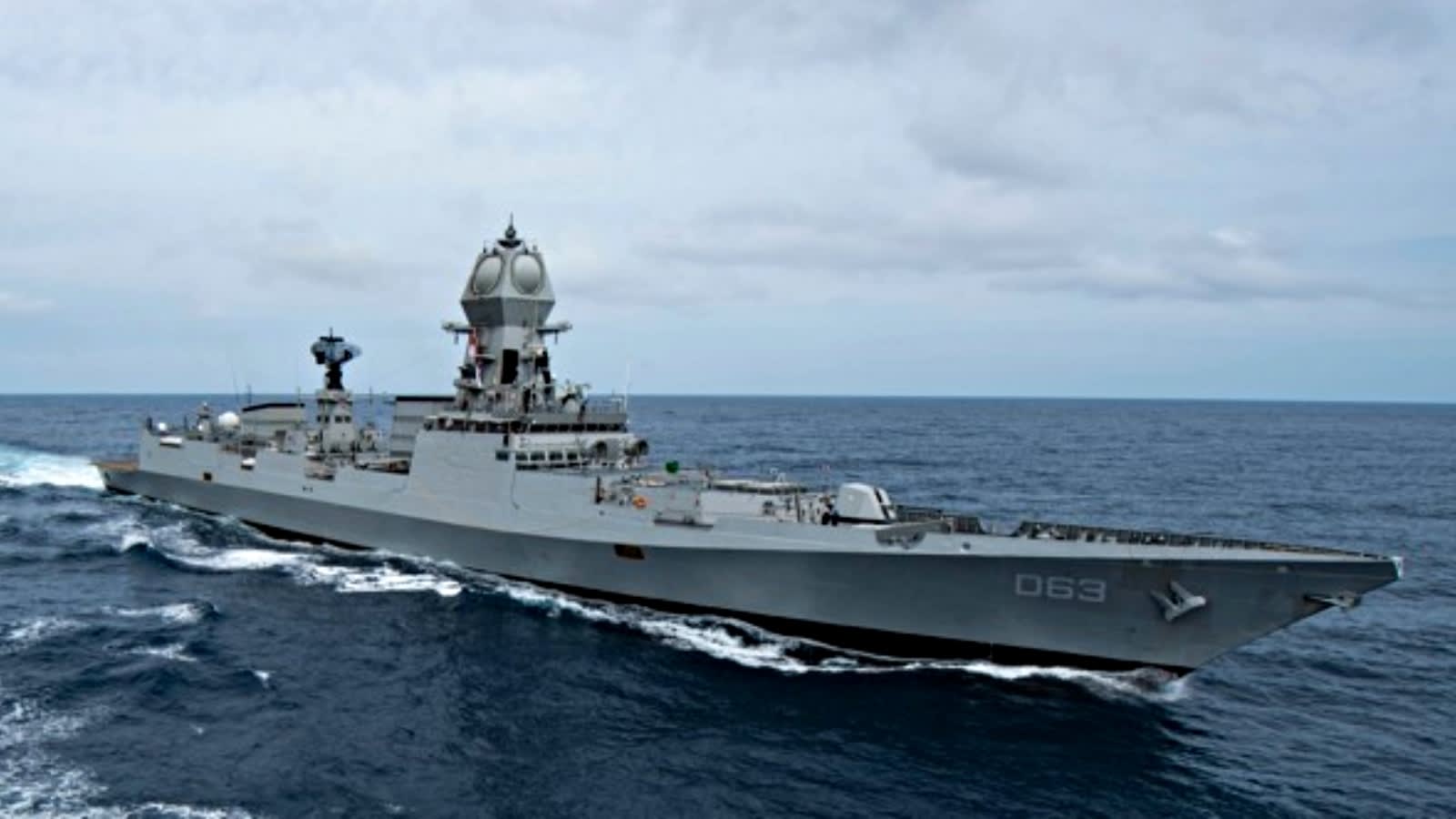
The Indian Ministry of External Affairs has officially identified INS Kolkata as the vessel involved in a collision with Pakistan's PNS Hunain. India has rejected Pakistan's allegations, labeling the Pakistani maneuver as unprofessional and a violation of maritime protocols.
Maritime Tensions in the Arabian Sea
On September 15, 2026, a significant maritime incident occurred in the North Arabian Sea involving the Indian Navy’s frontline warship, INS Kolkata, and the Pakistani Naval Ship (PNS) Hunain. While the Indian Ministry of External Affairs (MEA) confirmed the collision three days later, the event has sparked a diplomatic standoff between New Delhi and Islamabad, with both nations trading accusations regarding the professional conduct of their respective naval assets.
The Indian Position: Allegations of Unprofessional Conduct
According to MEA spokesperson Randhir Jaiswal, the INS Kolkata was conducting a routine surveillance mission in international waters when the collision occurred. India maintains that PNS Hunain engaged in a "dangerous overtaking maneuver" that directly violated established maritime safety protocols, specifically citing Article 10 of the relevant international maritime agreements. New Delhi has taken a firm stance, summoning the Pakistani Chargé d'Affaires to lodge a formal protest against what it describes as unacceptable and unprofessional behavior at sea.
Pakistan's Counter-Narrative
In contrast, the Pakistani Foreign Ministry has characterized the incident as a "highly provocative and unacceptable action" initiated by the Indian vessel. Islamabad asserts that the collision took place within Pakistan's Exclusive Economic Zone (EEZ), a claim that directly contradicts the Indian narrative of the encounter occurring in international waters. This discrepancy in geographic attribution highlights the broader, long-standing territorial and maritime tensions that frequently characterize India-Pakistan relations.
Strategic Implications and Maritime Safety
The North Arabian Sea serves as a critical corridor for global maritime trade and energy transit, making the presence of high-stakes military maneuvers a concern for regional stability. The collision raises serious questions regarding the adherence to the Convention on the International Regulations for Preventing Collisions at Sea (COLREGs). When naval vessels engage in aggressive proximity operations, the risk of accidental escalation increases significantly, potentially drawing both nations into a more severe diplomatic or security crisis.
Historical Context and Future Trends
This incident is not an isolated occurrence but rather a reflection of the deep-seated mutual suspicion that defines the bilateral relationship between India and Pakistan. Historically, such encounters in the Arabian Sea have been managed through military-to-military communication channels to prevent conflict. However, the current breakdown in diplomatic discourse, evidenced by the public summoning of diplomats and the rejection of competing claims, suggests a hardening of positions. Future trends indicate that as both nations modernize their navies and expand their operational reach, the frequency of such encounters may increase, necessitating more robust de-escalation mechanisms to ensure that routine deployments do not transform into unintended kinetic conflicts.