Doublespeak in US sanctions law: No Russian oil for others, exception for its own uranium imports
Source Entity
Pratyush Deep, Ravi Dutta Mishra
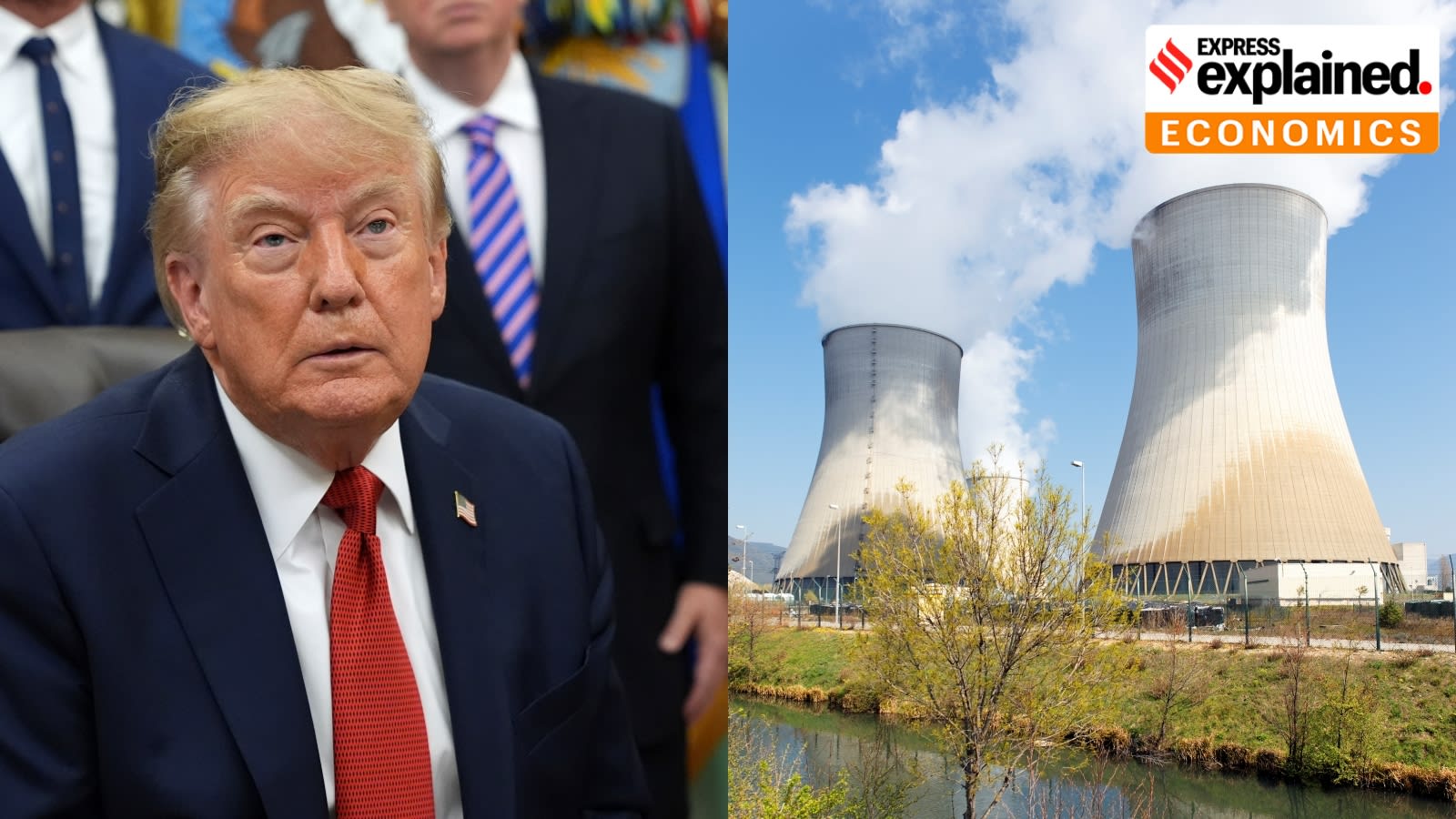
President Trump has signed the 'Lindsey O. Graham Sanctioning Russia and Iran Act of 2026,' authorizing up to 100% tariffs on nations importing Russian energy. The law contains a controversial exemption for US imports of Russian low-enriched uranium, highlighting a strategic contradiction.
The Geopolitical Implications of the 2026 Sanctions Act
President Donald Trump has officially signed the ‘Lindsey O. Graham Sanctioning Russia and Iran Act of 2026’ into law, marking a significant escalation in American foreign policy regarding global energy trade. The legislation grants the executive branch sweeping authority to impose tariffs of up to 100% on nations that continue to import Russian oil and gas. By targeting major consumers such as India and China, the act seeks to aggressively curtail the revenue streams fueling Russia’s ongoing military operations in Ukraine.
The Uranium Exception and Strategic Contradictions
Central to the controversy surrounding this bill is a notable exemption regarding nuclear energy. While the law aims to isolate Russia's energy sector, it explicitly excludes low-enriched uranium intended for American nuclear reactors. This carve-out exposes a pragmatic, albeit contradictory, reality: despite the administration’s stated goal of crippling Russian energy profits, the United States remains structurally dependent on Russian nuclear materials. This duality has drawn criticism for creating a 'doublespeak' policy, where the economic burden of sanctions is offloaded onto allies while domestic energy security remains shielded.
Impact on India’s Strategic Autonomy
For India, the legislation presents a direct challenge to its principle of 'strategic autonomy.' External Affairs Minister S. Jaishankar has voiced significant concern, emphasizing that India must prioritize energy security for its population of 1.4 billion people. The threat of 100% tariffs on Russian crude imports is viewed in New Delhi as an overreach that could destabilize bilateral ties. The Indian government maintains that its energy procurement decisions are based on national necessity rather than geopolitical alignment, setting the stage for potential diplomatic friction.
Broader Implications for Global Energy Markets
Beyond the US-India relationship, the act reflects a broader trend toward the weaponization of trade policy. By targeting the 'shadow fleet' and banking entities associated with Russian energy, the 2026 Act seeks to disrupt the global supply chain. However, analysts suggest that such blunt-force measures may not achieve their intended effect. Instead, they risk alienating major emerging economies and encouraging the development of alternative financial and energy networks that operate outside the influence of the US dollar and Western sanctions regimes.
Future Trends and Diplomatic Outlook
Looking ahead, the implementation of this law will likely serve as a litmus test for the durability of the US-India partnership. If the administration proceeds with punitive tariffs, it may force a reassessment of the strategic cooperation that has defined recent years. Conversely, if the executive branch utilizes the law's discretionary powers to grant waivers, it may signal a return to more nuanced diplomacy. The success of this policy will ultimately depend on whether the US can balance its desire to isolate Russia with the necessity of maintaining stable, cooperative relationships with key global powers.
Multiple Citing Sources