India Pavilion wins at Venice Biennale 2026
Source Entity
Trisha Mukherjee
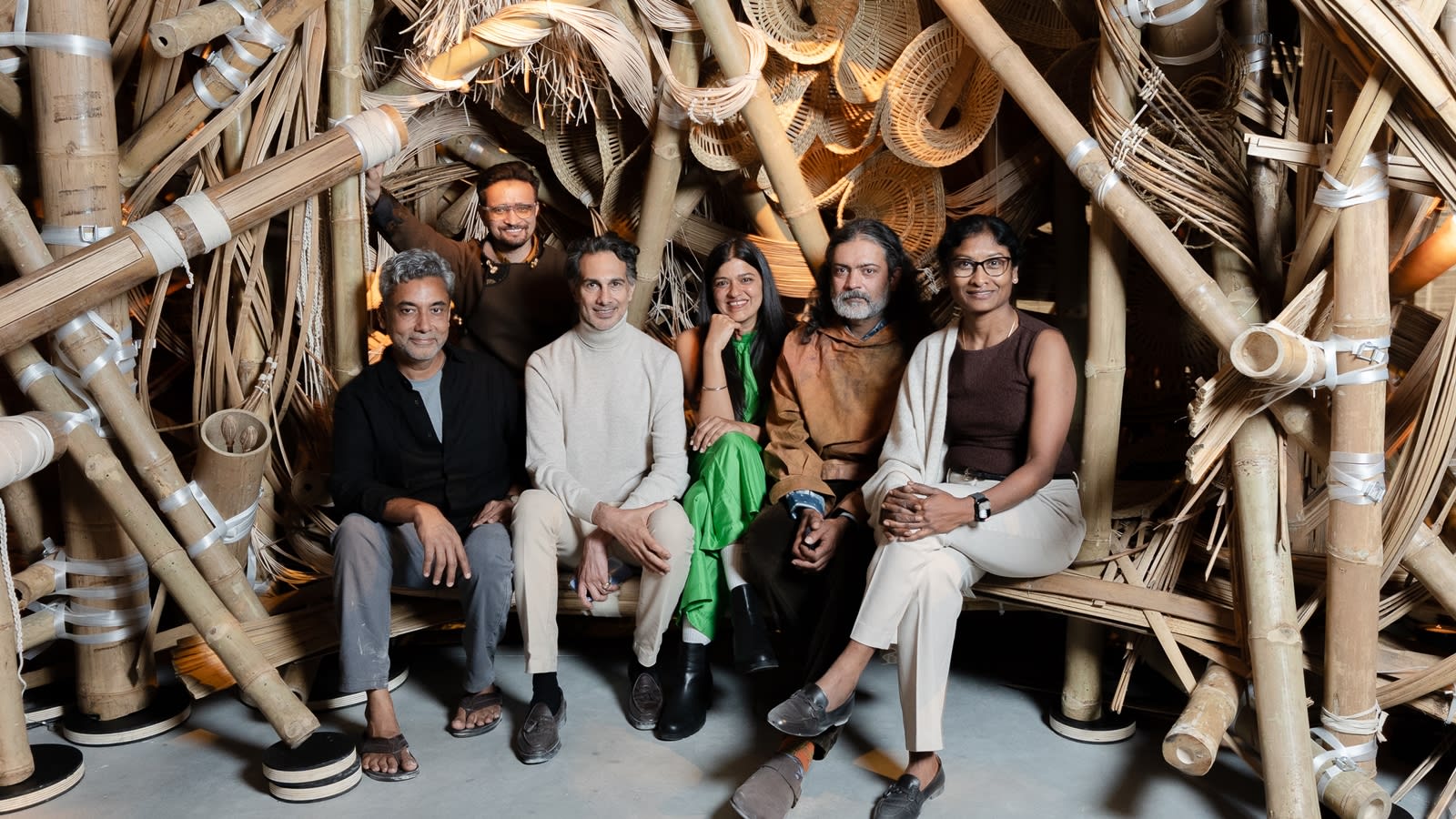
The India Pavilion secured the prestigious Visitors’ Lion for Best National Participation at the Venice Biennale 2026. Curated by Amin Jaffer, the exhibition 'Geographies of Distance: Remembering Home' highlights India's resurgent cultural influence on the global stage.
A Historic Triumph for Indian Contemporary Art
The recognition of the India Pavilion as the winner of the Visitors’ Lion at the 2026 Venice Biennale marks a significant milestone in the trajectory of Indian contemporary art. Often referred to as the "Olympics of the art world," the Venice Biennale serves as the ultimate barometer for international artistic discourse. By securing the award in the 'National Participation' category, India has not only reclaimed its seat at the table of global cultural diplomacy but has also demonstrated the rising sophistication and depth of its domestic art scene.
Thematic Depth: Geographies of Distance
Curated by London-based curator Amin Jaffer, the exhibition titled Geographies of Distance: Remembering Home offers a poignant exploration of memory, displacement, and the evolving nature of belonging. In a world characterized by rapid transformation and digital connectivity, the curators and artists have successfully distilled the complexities of the Indian identity. By focusing on the intersection of personal recollection and collective history, the pavilion provides a nuanced narrative that resonates with a global audience grappling with similar themes of migration and cultural preservation.
A Collaborative Artistic Vision
The success of the pavilion is a testament to the collaborative efforts between the Ministry of Culture, the Nita Mukesh Ambani Cultural Centre, and Serendipity Arts. This multi-stakeholder approach highlights a strategic shift in how India presents its soft power internationally. By showcasing the works of five distinct artists—Asim Waqif, Ranjani Shettar, Alwar Balasubramaniam, Sumakshi Singh, and Skarma Sonam Tashi—the exhibition bridges the gap between traditional craftsmanship and contemporary conceptual art, demonstrating a diverse artistic vocabulary that is both rooted in heritage and forward-looking.
Diplomatic and Cultural Implications
Prime Minister Narendra Modi and Union Culture Minister Gajendra Singh Shekhawat have both lauded the achievement, framing it as a "proud moment" and a "remarkable recognition" of India’s growing cultural influence. This political endorsement underscores the importance of cultural exports in modern statecraft. As India continues to expand its footprint in international forums, the success of the Venice Pavilion serves as a powerful instrument for cultural diplomacy, signaling that the nation is a serious contributor to the global intellectual and aesthetic dialogue.
A Re-emerging Presence
This victory is particularly noteworthy given that it marks India’s return to the Biennale after a seven-year hiatus, following previous exhibitions in 2019. The gap in participation makes this win a triumphant re-entry, proving that the momentum of Indian art has not only persisted but matured during the interim. The ability to command such high recognition upon return suggests that the institutional support mechanisms now in place are better equipped to navigate the complexities of international art exhibitions, setting a high standard for future Indian delegations.
Future Trends and Legacy
The win at the 2026 Venice Biennale is likely to catalyze increased investment in Indian contemporary art, both from public and private sectors. As the global art market shifts its gaze toward emerging creative centers, the success of these five artists will likely lead to greater exposure, gallery representation, and inclusion in permanent collections worldwide. This recognition is not just a fleeting accolade; it is a foundational step in ensuring that the Indian narrative remains a permanent and influential feature of the international art landscape in the years to come.