Rajasthan High Court relaxes mental health checks for 86-year-old murder accused
Source Entity
Vineet Upadhyay
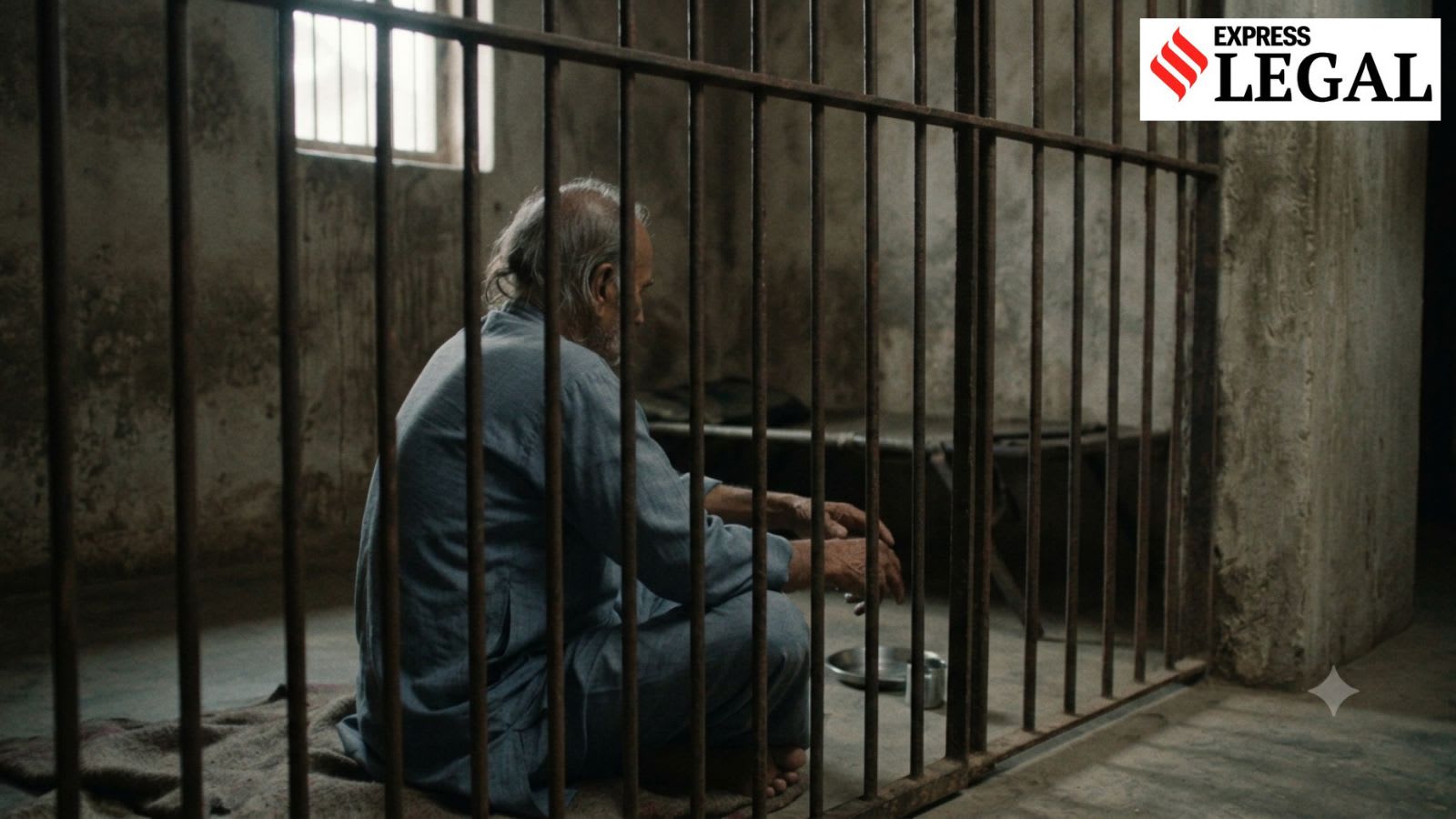
The Rajasthan High Court has reduced the frequency of mandatory mental health evaluations for an 86-year-old murder suspect with schizophrenia from three months to 18 months. While acknowledging the accused's lack of improvement, the court maintained that the criminal proceedings must remain open to ensure justice for the victim.
Legal Balancing Act: Mental Health and the Right to Trial
In a recent development, the Rajasthan High Court addressed the complex intersection of geriatric care, mental health, and the judicial process. Justice Anoop Kumar Dhand presided over a petition filed by an 86-year-old accused, identified as Chandrakant, who is facing murder charges in connection with the death of Kunwar Pal. The court’s decision to reduce the frequency of mental fitness assessments from every three months to once every 18 months highlights a pragmatic adjustment to procedural mandates in cases where medical prognosis is static.
The Nature of the Petitioner's Condition
The accused has been suffering from schizophrenia, a chronic and severe mental disorder. Medical records presented to the court indicate that there has been no discernible improvement in his condition since 2009. Under standard legal protocols, an accused person must be mentally fit to stand trial; if they are incapacitated, the court must periodically verify their status. By shifting the assessment timeline, the court has acknowledged the clinical reality that frequent, repetitive testing provides no benefit when the condition is long-standing and irreversible.
The Fundamental Right to a Fair Trial
Central to the court’s reasoning is the principle that a criminal trial cannot proceed against an individual who lacks the mental capacity to participate in their own defense. This is a bedrock of the Indian legal system, ensuring that the accused understands the charges and can instruct counsel. However, the court was equally firm in its refusal to quash the criminal proceedings entirely. This refusal underscores the judiciary's role in balancing the rights of the accused with the rights of the victim and the broader societal interest in seeking justice for alleged violent crimes.
Institutional Challenges in Criminal Jurisprudence
This case brings to the fore the challenges of managing 'unfit' accused persons within the criminal justice system. When a defendant is permanently or chronically incapacitated, the system faces a stalemate: the inability to reach a verdict versus the inability to dismiss grave charges. The Rajasthan High Court’s ruling serves as a precedent for how courts can manage administrative burdens while upholding the integrity of the judicial process, preventing the system from becoming bogged down by redundant medical evaluations while keeping the case active.
Broader Implications and Future Trends
As the population ages, the frequency of criminal cases involving elderly defendants with cognitive or mental health issues is likely to rise. This ruling suggests a shift toward more flexible, case-specific judicial management rather than rigid adherence to periodic assessment timelines. By maintaining the pending status of the case at the Additional District and Sessions Judge level in Deeg, the court ensures that the law remains vigilant should any unexpected change in the accused’s health status occur, reaffirming that the pursuit of justice remains the system's ultimate objective.