Karnataka rules out Lalbagh land for Bengaluru tunnel road, surveys two alternative routes
Source Entity
Latest News: Todays Latest News Headlines from India & World | Hindustan Times
The Karnataka government has officially dropped plans to route the Bengaluru tunnel road through Lalbagh Botanical Garden following public outcry. Officials are now conducting feasibility studies on two alternative alignments to balance urban infrastructure needs with environmental preservation.
Bengaluru Tunnel Road: Navigating Infrastructure and Preservation
The Karnataka government's recent decision to abandon the proposed route for the 16.75-km Bengaluru tunnel road through the iconic Lalbagh Botanical Garden marks a significant turning point in the city's urban planning narrative. By prioritizing the preservation of this heritage site, the administration has acknowledged the profound cultural and environmental value Lalbagh holds for the city's residents. This move follows sustained pressure from environmentalists, citizens' groups, and political stakeholders who viewed the original alignment as an existential threat to one of Bengaluru's most vital green lungs.
The Conflict of Urbanization
Bengaluru, often referred to as the Silicon Valley of India, faces the classic dilemma of rapid urbanization: the need for efficient mass transit solutions versus the necessity of maintaining ecological balance. The proposed tunnel road was initially conceived as a strategic intervention to alleviate the city's notorious traffic congestion. However, the inclusion of Lalbagh—a 240-acre botanical garden known for its immense biodiversity and historical significance—in the construction footprint created an immediate clash between developmental necessity and ecological conservation.
Assessing Alternative Routes
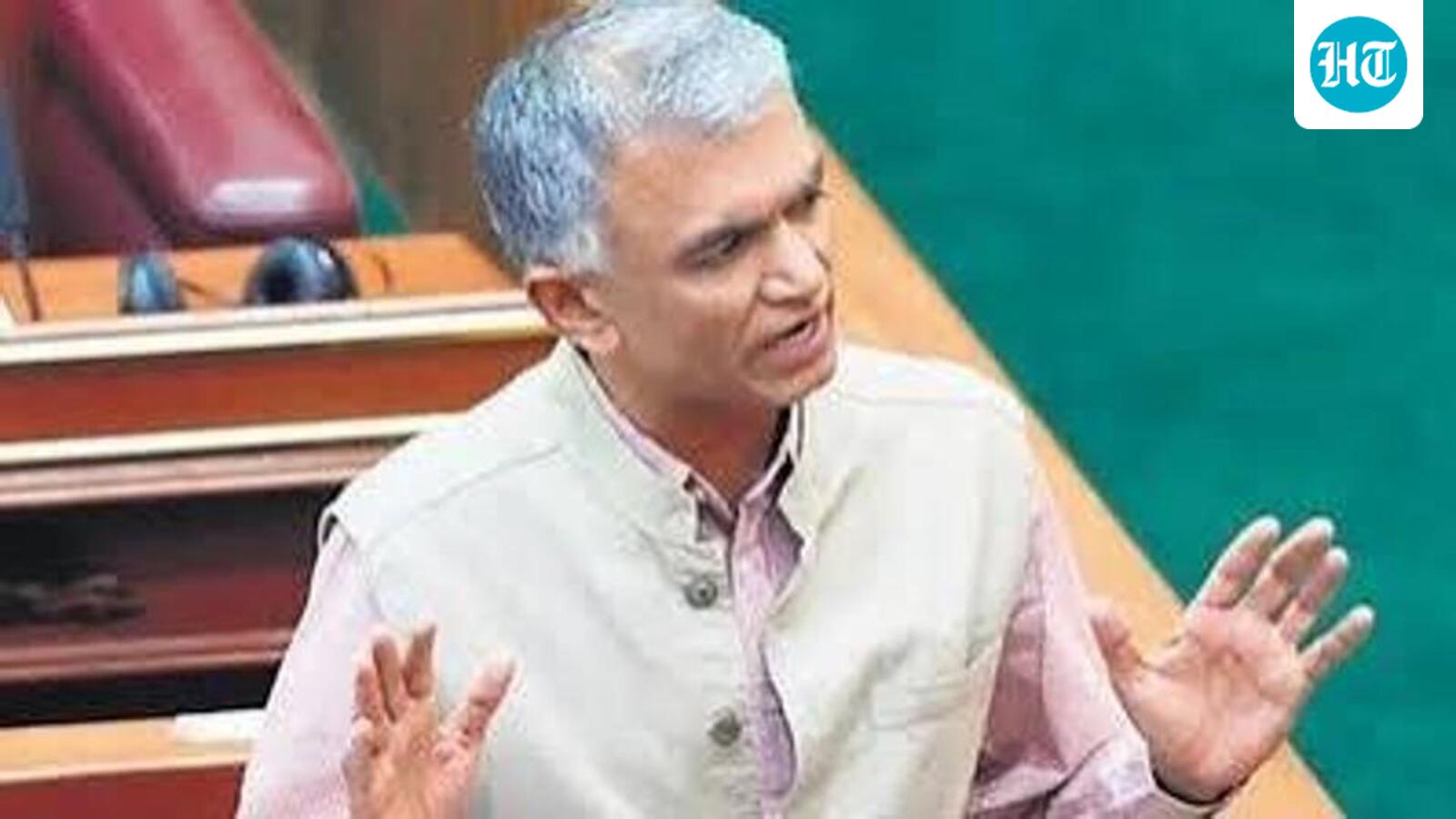
Minister Krishna Byre Gowda has confirmed that the government is now actively surveying two alternative alignments. This shift in strategy demonstrates a more consultative approach to infrastructure development. The technical evaluation process will focus on the logistical feasibility of these new paths, weighing the costs, construction complexities, and long-term impact on traffic flow. The government's commitment to assessing the 'advantages and disadvantages' of these new options suggests a shift toward evidence-based urban planning.
The Role of Public Sentiment
The protests that stalled the initial plan underscore the growing influence of civil society in Bengaluru’s governance. When large-scale infrastructure projects threaten public spaces, the collective voice of the citizenry can effectively force the government to reconsider its technical blueprints. This event serves as a case study in how public advocacy can lead to more sustainable project iterations, ensuring that development does not come at the cost of the city's identity.
Future Implications for Infrastructure
Looking ahead, the successful rerouting of the tunnel project will set a precedent for future urban development in India. As Bengaluru continues to expand, the government will likely face increased scrutiny regarding how it balances subterranean infrastructure with heritage conservation. The lessons learned from the Lalbagh controversy—namely the importance of early environmental impact assessments and public transparency—will be crucial for the success of future 'mega-projects' in the region.
Conclusion
The decision to exclude Lalbagh from the tunnel road project is a victory for environmental stewardship. While the city remains in dire need of traffic mitigation, the government’s willingness to pivot confirms that urban planning is not a static process but one that must adapt to the values and concerns of the community it serves. As surveys for the two alternative routes continue, the focus must remain on delivering a solution that effectively reduces congestion while safeguarding Bengaluru's precious natural legacy.
Verification Required?