India reiterates support for negotiated two-state solution in Palestine: MEA Secretary Ranganathan
Source Entity
India Latest News: Top National Headlines Today & Breaking News | The Hindu
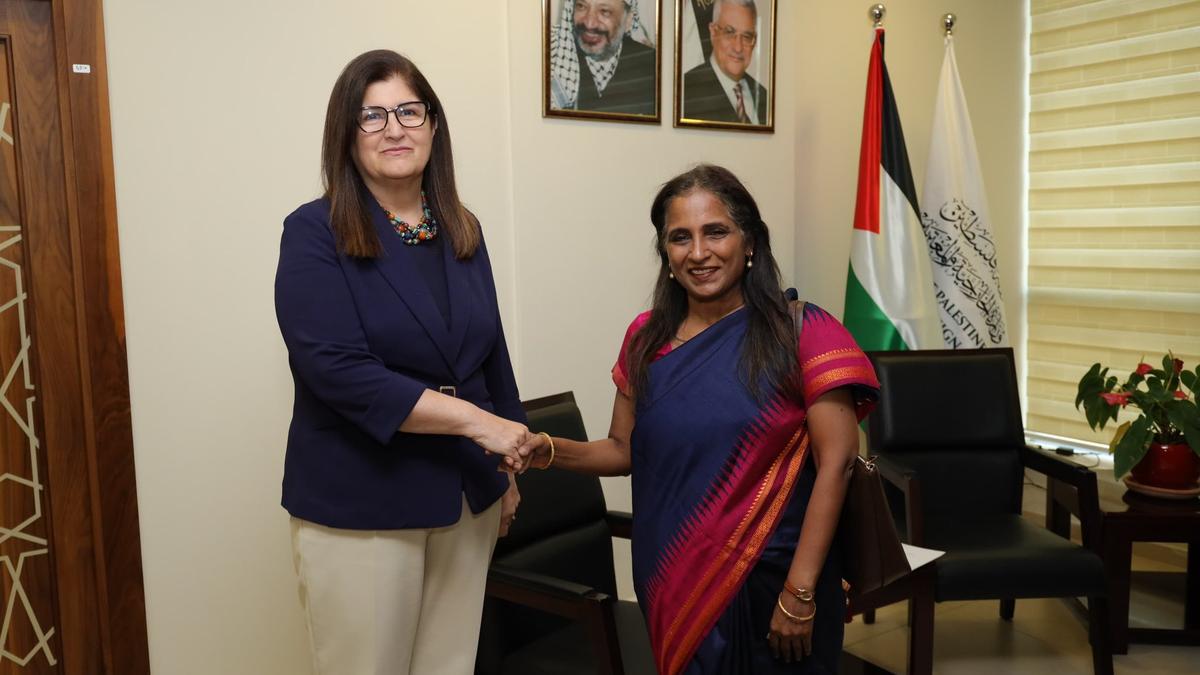
MEA Secretary Sripriya Ranganathan has reaffirmed India's commitment to a two-state solution for Palestine during her diplomatic visit to the region. She also expressed deep concern regarding the ongoing humanitarian crisis in Gaza while meeting with Palestinian officials.
India Reaffirms Diplomatic Stance on the Palestinian Conflict
During an official diplomatic tour spanning Egypt, Palestine, and Lebanon from August 16 to August 21, 2026, India’s Ministry of External Affairs (MEA) Secretary Sripriya Ranganathan has reiterated the nation's longstanding commitment to a negotiated two-state solution. This visit serves as a strategic reaffirmation of India's foreign policy, which has historically balanced support for Palestinian statehood with robust diplomatic relations across the Middle East.
Addressing the Humanitarian Crisis in Gaza
A central component of Secretary Ranganathan’s meetings, particularly her discussion with Varsen Aghabekian Shahin, the Minister of Foreign Affairs and Expatriates of Palestine, was the deteriorating situation in Gaza. By formally conveying India’s concern over the "grave humanitarian situation," the Indian government is signaling an urgent focus on the civilian cost of the ongoing conflict, emphasizing that humanitarian relief must remain a priority alongside political negotiations.
The Strategic Importance of the Diplomatic Visit
The timing of this visit—covering Egypt, Palestine, and Lebanon—highlights the complexity of the current geopolitical landscape in the Levant. By engaging directly with Palestinian leadership, India continues to maintain its role as an active participant in regional discourse. This diplomatic outreach is critical for ensuring that New Delhi’s position remains clear, consistent, and relevant to the stakeholders directly impacted by the conflict.
Historical Context and Continuity
India’s advocacy for a two-state solution is not a recent development but a cornerstone of its Middle East policy. This stance advocates for a sovereign, independent, and viable state of Palestine living side-by-side with Israel in peace and security. Secretary Ranganathan’s reaffirmation of this policy underscores the continuity of India’s diplomatic framework, which seeks to promote regional stability through multilateralism and dialogue.
Future Implications and Regional Stability
As the crisis in Gaza persists, India's continued diplomatic engagement suggests that New Delhi intends to remain a voice for moderation and humanitarian concern. The focus on a "negotiated" settlement implies that India continues to reject unilateral actions, instead favoring a framework where both parties reach a mutually acceptable resolution. This approach is likely to guide India’s future interactions in international forums, such as the United Nations, where the two-state solution remains the primary international consensus for resolving the Israeli-Palestinian conflict.
Conclusion
In summary, the visit of Secretary Ranganathan to Palestine represents a significant diplomatic effort to maintain a consistent foreign policy posture amidst regional turmoil. By balancing the call for a political two-state solution with the immediate necessity of addressing the humanitarian catastrophe in Gaza, India continues to assert its influence as a responsible global power committed to peace and stability in the Middle East.
Verification Required?