'Gimmicks': India on Pakistan's fresh announcement on Masood Azhar bounty
Source Entity
India Latest News: Top National Headlines Today & Breaking News | The Hindu
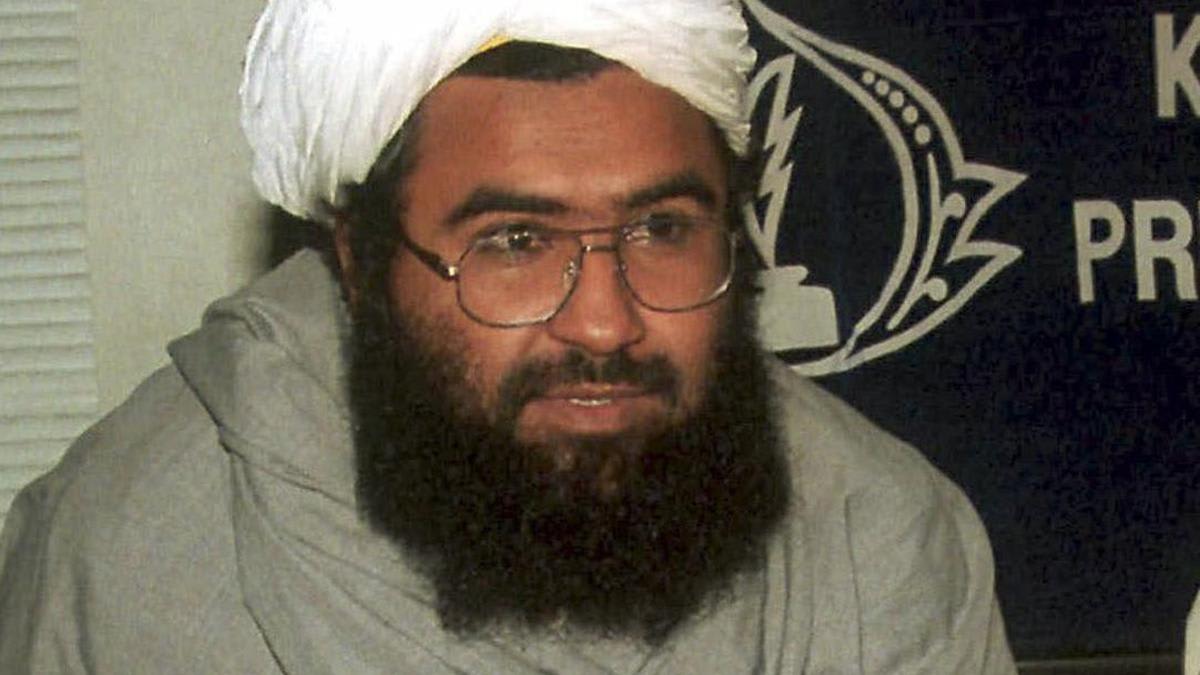
India has dismissed Pakistan's increased bounty on Jaish-e-Mohammed chief Masood Azhar as a deceptive gimmick. New Delhi continues to demand concrete, verifiable action against the UN-designated terrorist rather than performative gestures.
The Masood Azhar Bounty: A Performative Diplomatic Maneuver
Recent reports indicate that Pakistan has increased the bounty for Jaish-e-Mohammed (JeM) chief Masood Azhar, a move that has been met with immediate and sharp skepticism from the Indian government. Ministry of External Affairs (MEA) spokesperson Randhir Jaiswal dismissed the development as a "gimmick" and a "phoney announcement," characterizing the act as an attempt to deceive the international community. This reaction underscores the long-standing breakdown in trust between the two nations regarding counter-terrorism cooperation.
Historical Context and Diplomatic Skepticism
India’s rejection of this bounty is rooted in years of diplomatic friction. Masood Azhar, a central figure in numerous terror attacks against India, has long been a point of contention in South Asian geopolitics. For India, the current announcement is merely the latest iteration of a recurring pattern where Pakistan engages in superficial gestures to manage international pressure, particularly from bodies like the Financial Action Task Force (FATF), without dismantling the underlying infrastructure of terror groups operating within its borders.
The Role of International Oversight
Masood Azhar’s designation as a global terrorist by the United Nations Security Council (UNSC) in 2019 was a significant diplomatic milestone, achieved only after China finally lifted a long-standing technical hold. Despite this international designation, India maintains that Pakistan’s domestic efforts to apprehend or prosecute Azhar remain hollow. The skepticism expressed by New Delhi suggests that such bounty increases are designed to satisfy external observers rather than facilitate actual justice or security outcomes.
Analyzing the "Gimmick" Narrative
By labeling the move as "aankh mein dhool jhokne wali harkat" (an attempt to deceive), the Indian government is highlighting a perceived lack of sincerity in Pakistan’s counter-terrorism narrative. The core of India's argument is that state sponsors of terrorism cannot be trusted to self-regulate or perform meaningful enforcement when their historical track record suggests a preference for maintaining strategic assets. The phrase "phoney announcement" reflects a broader policy of refusing to engage with what India considers performative diplomacy.
Broader Implications and Future Trends
Looking ahead, this event signals that the status quo of diplomatic gridlock is unlikely to shift. As long as India perceives Pakistan’s actions as "hollow," bilateral trust will remain at an all-time low. International bodies like the FATF will continue to play a critical role in monitoring whether these administrative actions by Pakistan lead to genuine legal consequences for designated terrorists. Without concrete, verifiable actions—such as successful prosecution or the dismantling of the JeM network—these bounty increases are likely to be viewed by the international community through the same lens of suspicion that India has adopted.
Multiple Citing Sources
Verification Required?