Renewable energy success that should inspire the world
Source Entity
Latest News: Todays Latest News Headlines from India & World | Hindustan Times
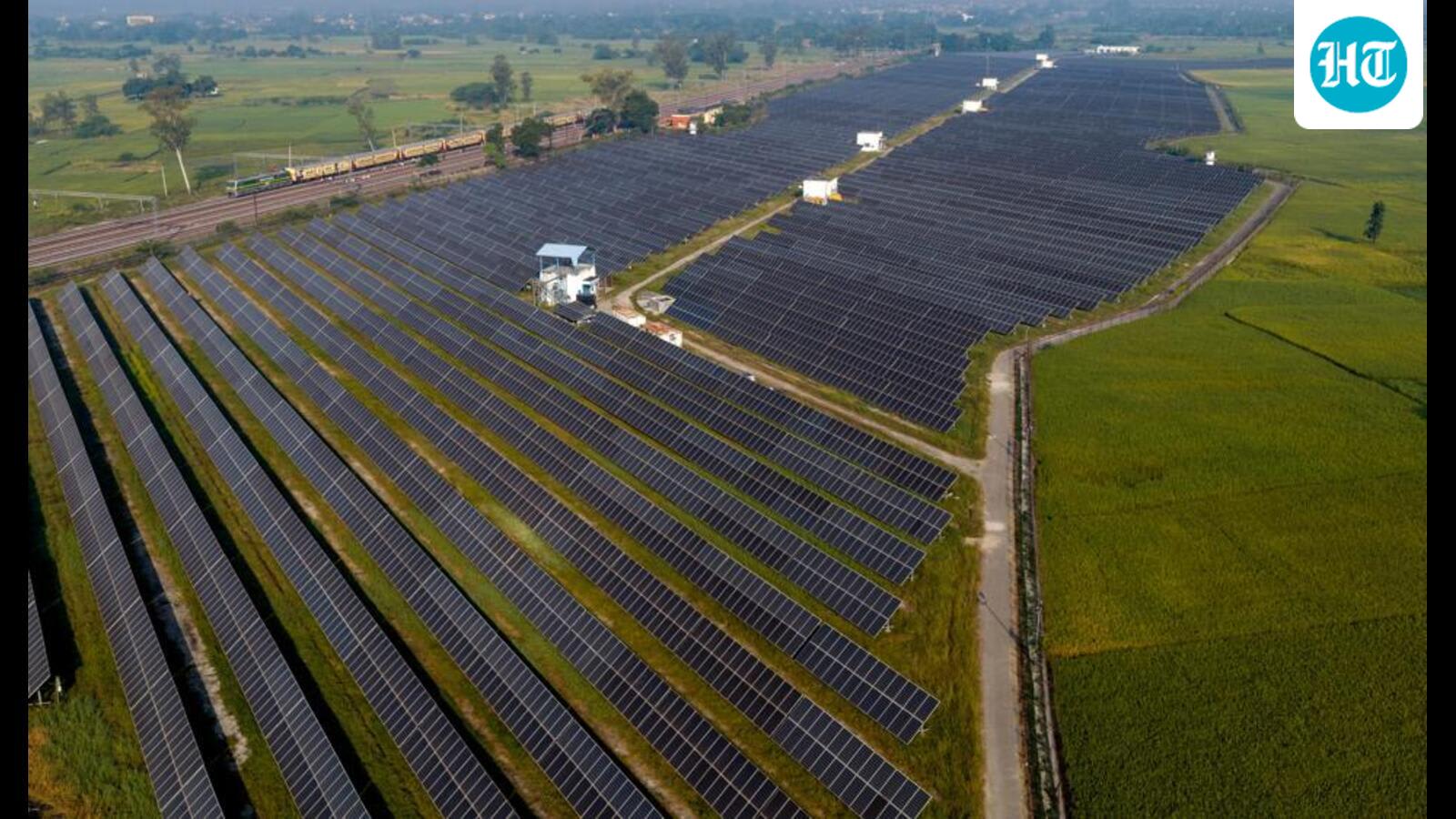
India is rapidly expanding its renewable energy sector to meet soaring electricity demand driven by strong economic growth. Solar capacity has surged twentyfold in a decade, positioning the nation as a global leader in the green energy transition.
India’s Strategic Pivot Toward Renewable Energy Dominance
India is currently navigating a critical juncture in its developmental trajectory, where the necessity for robust economic expansion meets the urgent requirement for sustainable infrastructure. As the nation records a remarkable 7.8% real GDP growth in the first quarter of 2026-27, the correlation between industrial output and energy consumption has become stark. With electricity demand increasing by 6% in the first half of this year, the government faces the dual challenge of fueling a rapidly modernizing economy while curbing carbon emissions.
The Scale of Demand and Future Projections
The sheer velocity of India's growth necessitates a massive scaling of its power grid. According to projections from the Central Electricity Authority, the nation’s electricity demand is expected to climb to an staggering 459 gigawatts by 2035-36. This trajectory is not merely a reflection of household consumption but is deeply rooted in the electrification of factories and the expansion of the commercial sector. Meeting this demand requires more than just traditional power generation; it demands a fundamental shift toward renewables to ensure long-term energy security.
A Decade of Solar Transformation
One of the most significant success stories in India's recent history is the exponential growth of its solar energy sector. Over the last ten years, the country has achieved a nearly twentyfold increase in solar capacity, effectively transforming its energy landscape. This milestone has catapulted India into the position of the world’s third-largest renewable energy market, a testament to the efficacy of aggressive policy interventions and private-sector integration into the national power grid.
Historical Foundations of Green Policy
This transition is not a recent phenomenon but the fruition of a long-term strategy championed by Prime Minister Narendra Modi. His early emphasis on solar energy during his tenure as the Chief Minister of Gujarat provided a blueprint for national policy. By prioritizing solar infrastructure and transmission connectivity at the sub-national level early on, the administration created a scalable model that has since been adapted to meet the demands of a continental-sized economy.
Broader Implications for Global Climate Goals
India’s shift from the margins of the power system to the center of its energy strategy serves as a model for other emerging economies. By decoupling economic growth from fossil fuel reliance, India is demonstrating that rapid industrialization can be compatible with global climate commitments. As the nation continues to integrate renewable sources into its base load, it not only secures its own energy future but also sets a precedent for sustainable development in the Global South.
Conclusion: Sustaining the Momentum
The continued success of India’s renewable energy transition will depend on maintaining the current pace of investment in transmission and storage technologies. As the nation moves toward its 2035-36 targets, the integration of solar power as a primary energy source will be the cornerstone of its economic stability, ensuring that the next phase of growth is as clean as it is ambitious.
Verification Required?