Government backs SCO connectivity, but PM's Pakistan visit uncertain
Source Entity
SACHIN PARASHAR
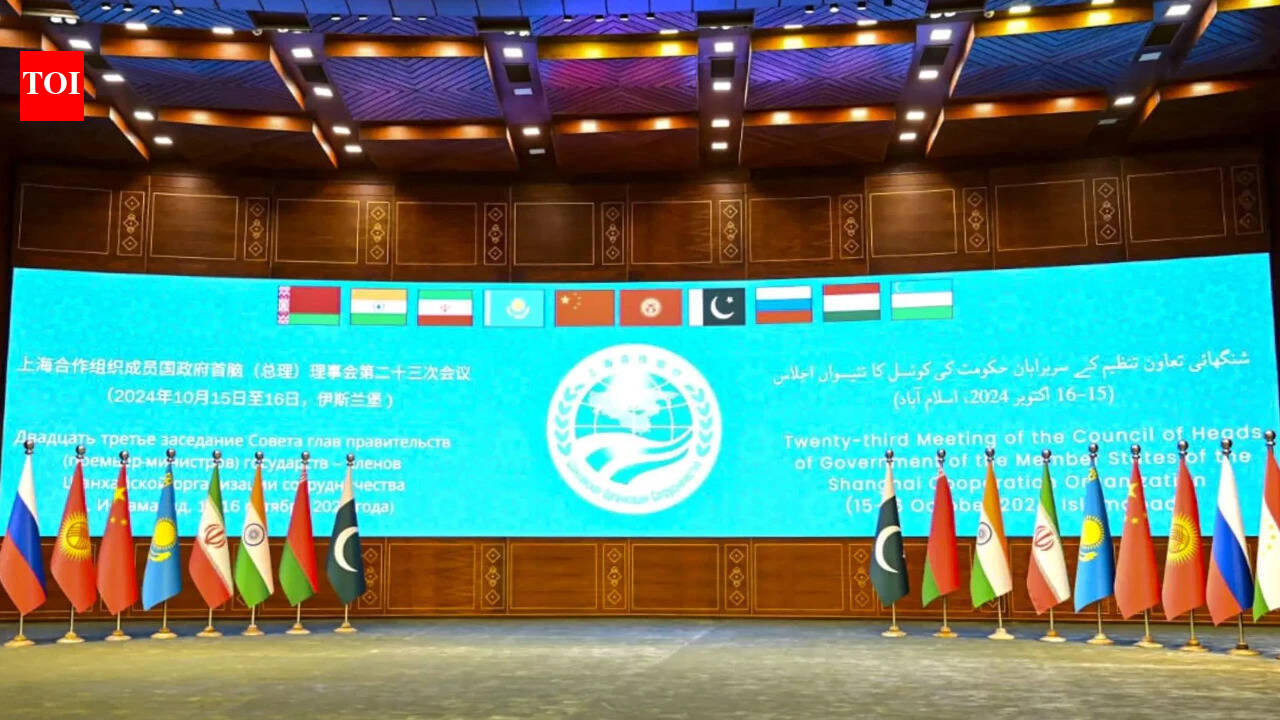
India has sent a senior official to Pakistan for an SCO meeting, marking the first such delegation since the 2025 Pahalgam attack. While the move signals commitment to the regional bloc, PM Modi's attendance at next year's summit remains uncertain due to ongoing concerns over Pakistan's support for terrorism.
India's Diplomatic Balancing Act at the SCO
India’s decision to send a senior delegation, led by Additional Secretary Alok Dimri, to the Shanghai Cooperation Organisation (SCO) national coordinators' meeting in Islamabad marks a significant, albeit calibrated, diplomatic maneuver. As Pakistan assumes the rotational presidency of the council, India’s participation serves as a fulfillment of its multilateral obligations within the bloc, which is heavily influenced by the strategic priorities of China and Russia. This visit represents the first official Indian delegation to Pakistan since the 2025 Pahalgam terrorist attack, highlighting the complex tension between regional cooperation and national security imperatives.
The Shadow of Regional Conflict
The fundamental friction point remains Pakistan's documented support for cross-border militancy. The Pahalgam attack fundamentally altered the landscape of bilateral engagement, leading to a freeze in conventional diplomatic discourse. By participating in the SCO framework, India is demonstrating that it can compartmentalize its multilateral commitments from its bilateral grievances. Unlike the South Asian Association for Regional Cooperation (SAARC), which has effectively stalled due to these exact tensions, the SCO provides a different, more insulated platform where India can project its influence without necessarily legitimizing its neighbor’s state policies.
Strategic Implications of SCO Membership
India’s membership in the SCO is a cornerstone of its 'Eurasian' foreign policy. By engaging in the process of firming up the calendar for high-level meetings, India ensures that its voice is heard in a forum dominated by regional powers. The participation of Alok Dimri—a seasoned diplomat with extensive experience in China, Kyrgyzstan, and multilateral forums like the G20 and BRICS—underscores the high level of professionalism and strategic intent behind this move. India’s presence ensures that the SCO does not become an exclusive echo chamber for its geopolitical rivals.
The Question of Prime Ministerial Attendance
Speculation regarding Prime Minister Narendra Modi’s potential travel to Pakistan for the upcoming heads of state summit has intensified following this technical-level visit. Given that the Prime Minister has attended almost every in-person summit since India gained full membership, his absence would be notable. However, the decision will likely be dictated by the security climate. Any visit would require a significant shift in the ground reality regarding Pakistan’s stance on terrorism, a factor that remains the primary roadblock to any meaningful thaw in relations.
Future Trends and Regional Stability
Looking ahead, India is likely to continue a 'strategy of presence' within the SCO. This allows New Delhi to maintain its status as a key regional stakeholder while simultaneously keeping Pakistan at an arm's length. The future of these interactions will depend on whether the SCO can remain a functional platform for economic and security cooperation despite the deep-seated animosity between two of its members. As India navigates this, the priority will remain the protection of its sovereignty and the containment of regional threats, ensuring that multilateral participation never comes at the cost of national security.