India's semiconductor push targets chips for cars, TVs, power infra: Vaishnaw
Source Entity
India Latest News: Top National Headlines Today & Breaking News | The Hindu
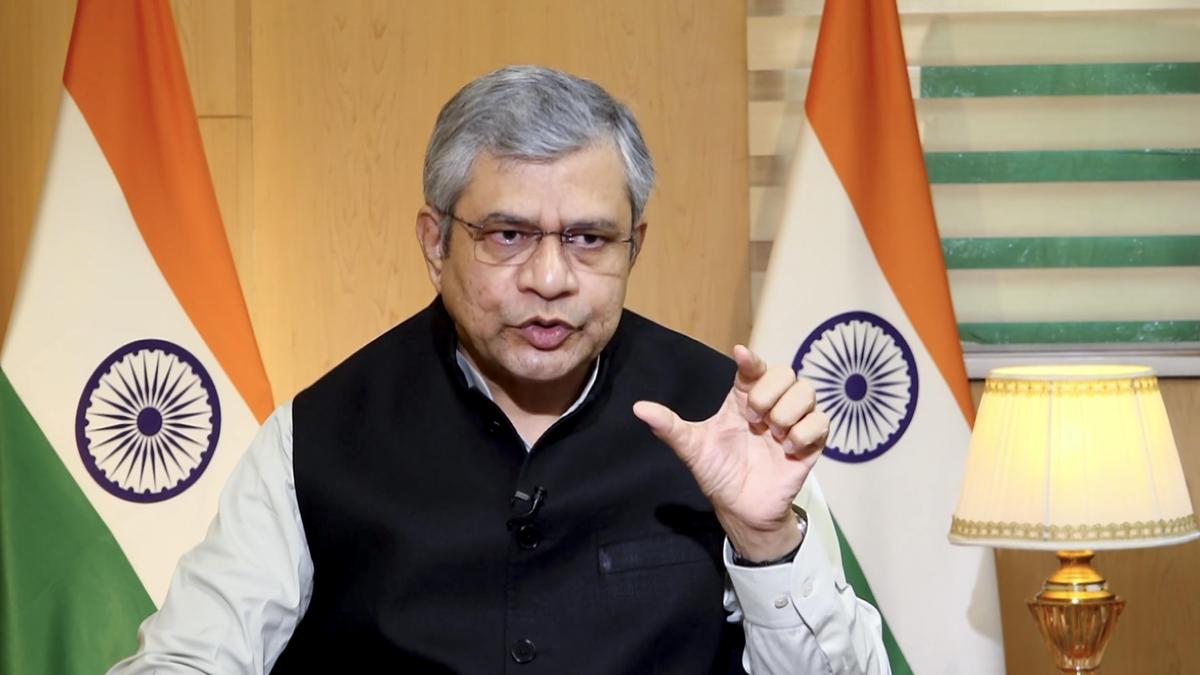
India is aggressively expanding its semiconductor manufacturing ecosystem to include design, fabrication, and materials for consumer electronics and power infrastructure. With a ₹1.27 lakh crore investment under its second phase programme, the government aims to localize production for cars, TVs, and appliances.
India's Strategic Pivot Toward Semiconductor Self-Reliance
India has officially signaled a paradigm shift in its industrial policy, moving aggressively to transition from a secondary participant in the global semiconductor value chain to a primary hub for chip fabrication and design. Union Electronics and IT Minister Ashwini Vaishnaw has articulated a comprehensive vision that seeks to integrate advanced chip-making capabilities into the very fabric of the nation's consumer and industrial economy. By targeting the production of semiconductors for everyday household items like televisions and refrigerators, as well as complex power infrastructure, the government is aiming to secure supply chain sovereignty in a post-pandemic world.
Moving Beyond Assembly and Testing
Historically, India’s involvement in the semiconductor sector was largely restricted to design services and lower-value assembly and testing operations. Minister Vaishnaw’s recent announcements indicate that the current roadmap is far more ambitious, focusing on the development of a full-stack ecosystem. This includes the challenging domains of chip fabrication, equipment manufacturing, and the sourcing and refinement of specialized semiconductor materials. This shift is essential for India to move up the value chain and reduce its dependence on volatile international imports for critical electronic components.
Financial Commitment and Programmatic Growth
To catalyze this transformation, the Indian government has committed a significant ₹1.27 lakh crore under the second phase of its semiconductor programme. This substantial financial backing is intended to act as a magnet for global semiconductor giants, incentivizing them to partner with local entities and establish manufacturing bases within Indian borders. The fact that investor interest has already reached approximately ₹1 lakh crore underscores the growing confidence of global capital in India’s long-term industrial policy and its potential as a viable alternative to existing manufacturing hubs.
Integrating Chips into the Domestic Economy
The scope of this initiative is notably broad, spanning everything from automotive electronics to critical power infrastructure. As modern vehicles become increasingly software-defined and reliant on complex power management chips, India’s push to domesticate this production is a strategic necessity for its growing automotive sector. By ensuring a steady domestic supply of chips for cars and power grids, India aims to insulate its industrial growth from the global supply chain disruptions that have hampered manufacturing sectors worldwide in recent years.
Future Trends and Global Implications
Looking ahead, the success of this semiconductor initiative will likely hinge on the government’s ability to foster a robust ecosystem of ancillary industries. The transition from designing a chip to mass-producing it at a fabrication facility (fab) is a capital-intensive and highly technical hurdle. If India can successfully operationalize these fabs, it could fundamentally alter the regional electronics manufacturing landscape. This would not only enhance India’s geopolitical standing but also provide a critical buffer for its domestic electronics manufacturing sector, ensuring that the next generation of consumer and industrial products are powered by chips designed and fabricated on Indian soil.
Verification Required?