NPCIL begins fuel loading at RAPP-8, advancing India’s nuclear push
Source Entity
Pratyush Deep
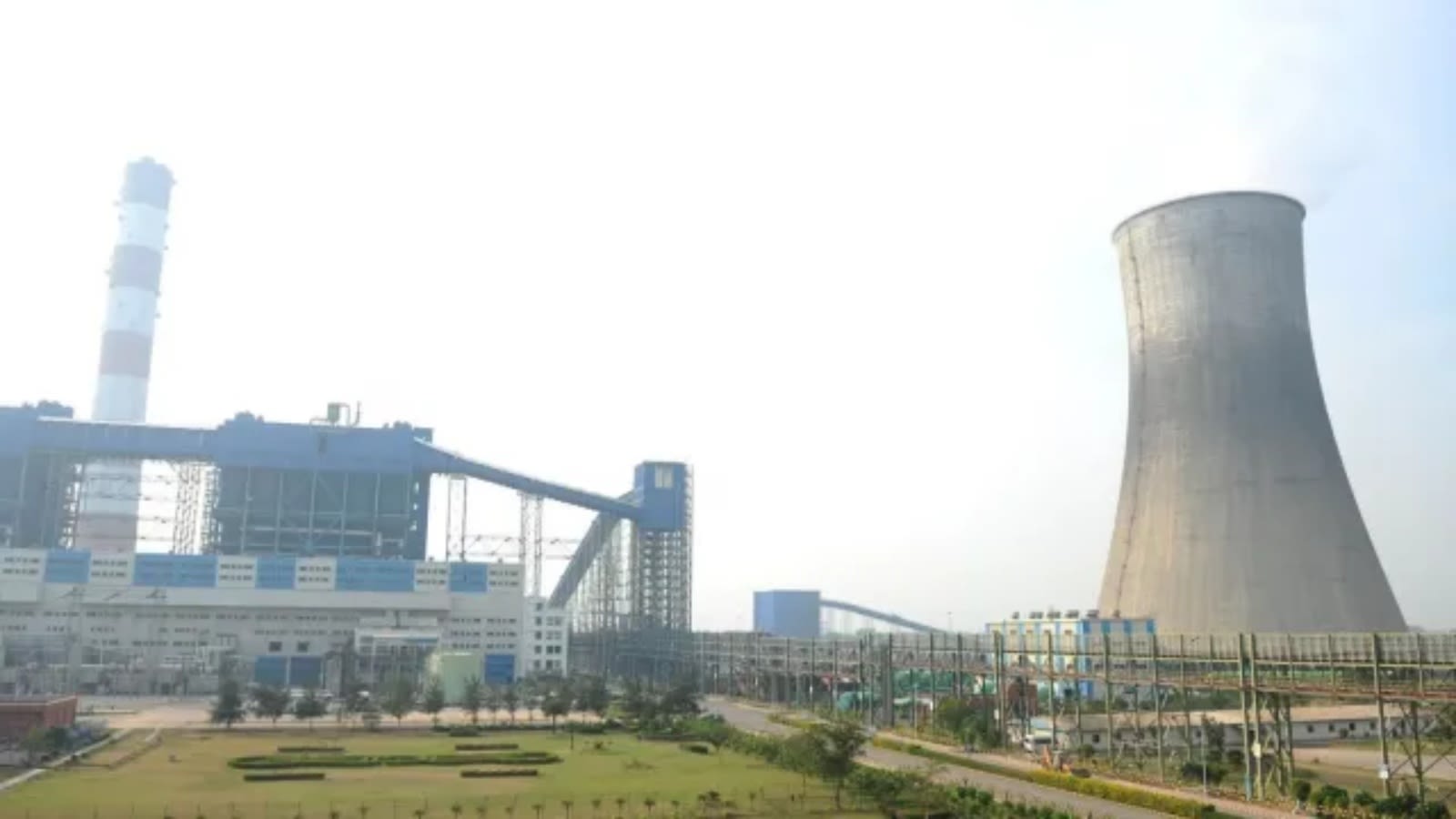
The Nuclear Power Corporation of India Ltd (NPCIL) has commenced initial fuel loading for its indigenous 700MWe RAPP-7 and RAPP-8 reactors in Rawatbhata. This milestone marks a critical step toward commercial operation, which is expected to occur within the current financial year.
India's Nuclear Expansion: Fuel Loading at RAPP-7 and RAPP-8
The Nuclear Power Corporation of India Ltd (NPCIL) has officially initiated the fuel loading process for the 700MWe Rajasthan Atomic Power Stations, units RAPP-7 and RAPP-8, located in Rawatbhata. This development represents a pivotal advancement in India’s domestic nuclear energy infrastructure, showcasing the country’s growing proficiency in deploying indigenous Pressurised Heavy Water Reactor (PHWR) technology.
Rigorous Safety and Regulatory Compliance
Before the commencement of fuel loading, the project underwent extensive scrutiny by the Atomic Energy Regulatory Board (AERB). This process included comprehensive safety evaluations, integrity audits of major systems, and site readiness reviews. Such stringent measures are foundational to India's nuclear energy policy, ensuring that every stage of commissioning adheres to the highest safety protocols required for high-capacity reactor operations.
Indigenous Technology and Strategic Capacity
Units 7 and 8 are notable for being indigenous PHWRs, reflecting India’s commitment to self-reliance in the energy sector. By utilizing 700MWe units, NPCIL is scaling up its generation capacity to meet the rising electricity demands of the nation. These reactors are designed to provide stable, base-load power, which is essential for industrial growth and rural electrification across the state and the broader national grid.
The Path to Criticality and Commercial Power
Following the current fuel loading phase, the next technical milestone is the "first approach to criticality," where the reactor will initiate a controlled fission chain reaction. This is a delicate and highly monitored stage of the commissioning process. Once achieved, the unit undergoes a series of tests to ensure stability before it is synchronized with the national grid for power production.
Timeline and Future Outlook
According to NPCIL, the transition from initial fuel loading to full commercial operation typically spans a period of six to eight months. With the loading process now underway, the project is on track to contribute to the national energy pool within the current financial year. This addition of 1400MWe of combined capacity will significantly bolster India's clean energy portfolio and reduce reliance on conventional fossil fuels.
Broader Implications for Energy Security
This project in Rawatbhata is part of a larger, long-term strategic initiative to diversify India’s energy mix. As the nation aims for net-zero targets and sustainable economic development, the successful commissioning of RAPP-7 and RAPP-8 serves as a testament to the viability of indigenous nuclear technology. It underscores a shift toward larger, more efficient reactor units that can provide reliable energy while maintaining strict environmental and safety standards.