India simplifies visa norms; categories cut, forms to be 70% leaner
Source Entity
India Latest News: Top National Headlines Today & Breaking News | The Hindu
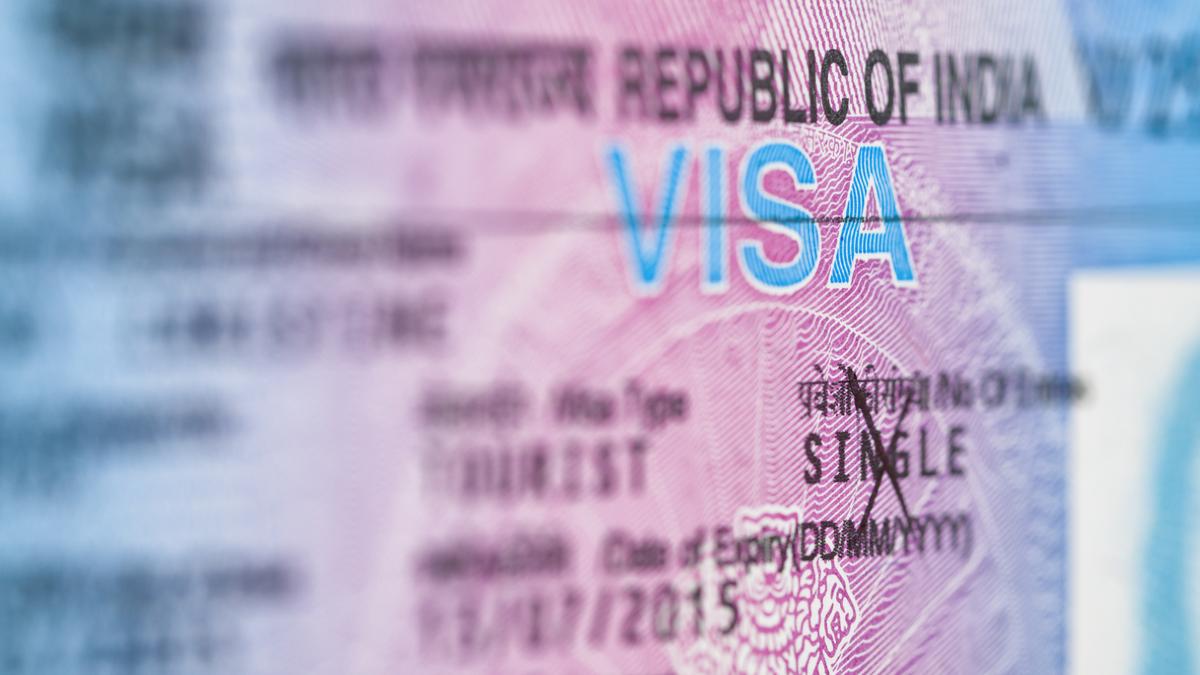
The Indian Ministry of Home Affairs has overhauled its visa system by reducing categories from 13 to nine and trimming application forms by 70%. These changes, including the new 'Visitor Visa' and specialized business provisions, aim to streamline entry for tourists and technical experts.
India Streamlines Visa Regime for Global Connectivity
In a significant move to modernize administrative processes, the Indian Ministry of Home Affairs (MHA) announced a comprehensive overhaul of the nation's visa regime on November 11, 2026. By consolidating visa categories from 13 down to nine and reducing the density of application forms by 70%, the government is signaling a clear intent to lower the bureaucratic barriers that have historically hindered seamless international travel and professional collaboration.
Evolving the Visitor Experience
A primary component of this reform is the rebranding of the 'Tourist Visa' to the 'Visitor Visa'. This change is not merely cosmetic; it reflects a deliberate shift toward accommodating a wider spectrum of travel purposes. By introducing two distinct sub-categories, V-1 and V-2, the government provides applicants with greater clarity and precision, ensuring that the visa aligns more effectively with the specific nature and duration of their stay. This evolution recognizes that modern travel is rarely binary, bridging the gap between casual tourism and short-term engagement.
Empowering Technical Expertise
Perhaps the most impactful change for the industrial sector is the introduction of the 'Production Investment Business Visa'. This specialized category is designed specifically for foreign subject-matter experts, engineers, and technical personnel. By facilitating the entry of professionals tasked with installation, commissioning, quality control, and supply-chain development, India is actively removing friction for foreign companies operating within its borders. This provision is essential for maintaining the momentum of 'Make in India' initiatives and ensuring that complex technical projects do not face delays due to administrative hurdles.
Strategic Economic Implications
This policy shift suggests a broader economic strategy focused on ease of doing business. By streamlining the movement of senior management, IT specialists, and technical support staff, India is positioning itself as a more attractive destination for global investment. The ability of domestic firms to quickly bring in essential international talent for plant design, maintenance, and training is a critical factor in maintaining global competitiveness and high-quality production standards.
Future Trends and Administrative Efficiency
The 70% reduction in application form complexity points to a growing trend of digital transformation and administrative minimalism within the Indian government. By prioritizing user-friendly interfaces and clear, consolidated categories, the MHA is likely aiming to reduce processing times and increase the efficiency of diplomatic missions abroad. As India continues to integrate further into the global value chain, such reforms will become the benchmark for sustaining long-term international partnerships and attracting both human and financial capital.
Conclusion
Ultimately, these reforms represent a maturation of India's visa policy, balancing national security interests with the practical needs of a globalized economy. By simplifying the journey for both the casual visitor and the specialized technical expert, India is creating a more welcoming environment that is better equipped to handle the complexities of modern international interaction.
Verification Required?