Strait of Hormuz: Dashboard to monitor seafarers, liaison officers for families, says Government
Source Entity
Vikas Pathak
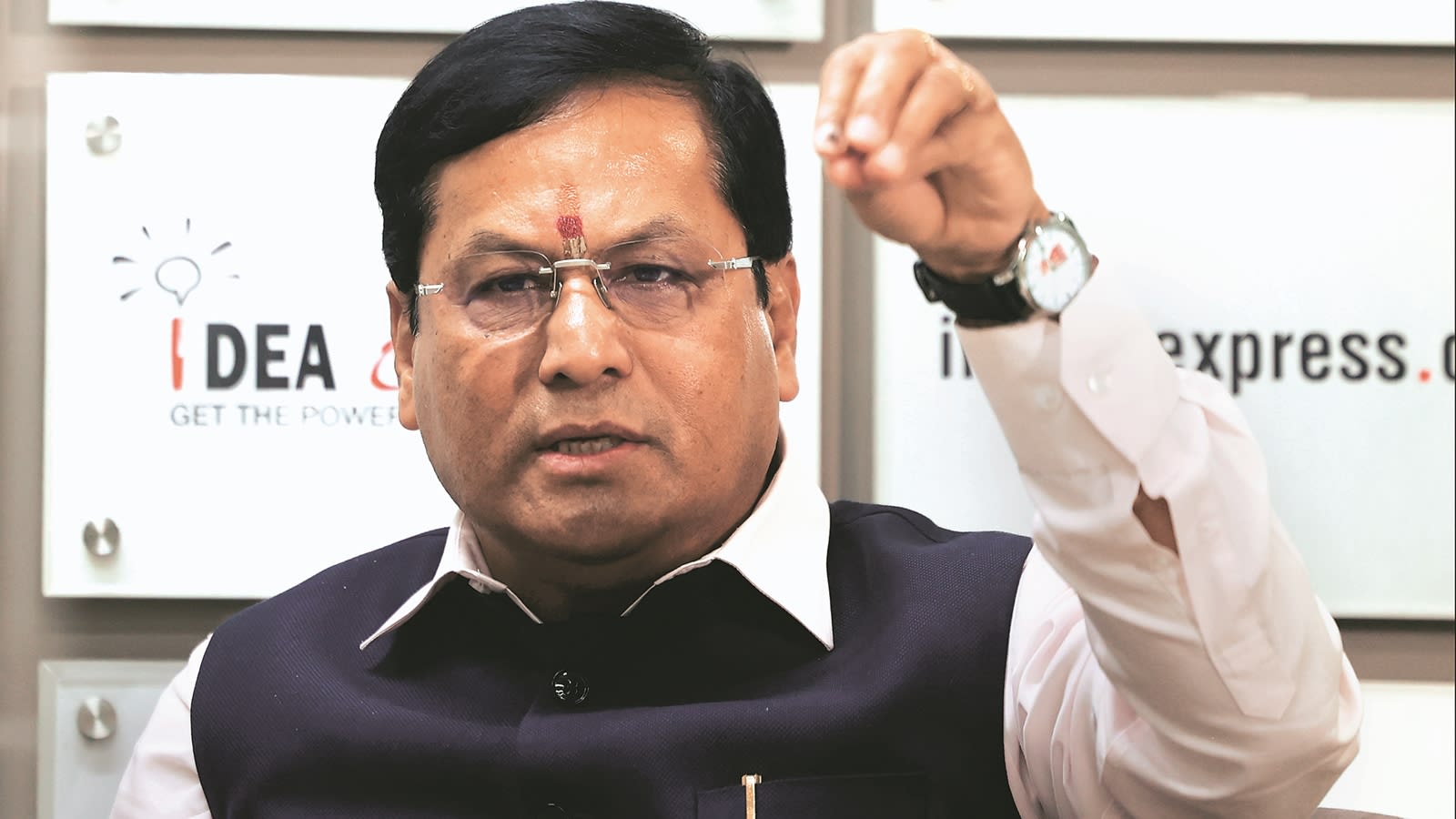
The Indian government, under the leadership of Union Minister Sarbananda Sonowal, is implementing a real-time monitoring dashboard for seafarers and appointing dedicated liaison officers for their families following attacks on oil tankers in the Strait of Hormuz.
Enhancing Maritime Security: India's Proactive Response in the Strait of Hormuz
Following recent security breaches and attacks on oil tankers carrying Indian crew members in the Strait of Hormuz, the Government of India has announced a series of strategic measures to safeguard its maritime workforce. During an inter-ministerial meeting chaired by Sarbananda Sonowal, Union Minister of Ports, Shipping and Waterways, the government decided to implement a digital monitoring dashboard and establish a support system for the families of seafarers. This move signals a heightened state of vigilance as India seeks to mitigate the risks faced by its citizens operating in one of the world's most volatile maritime corridors.
Digital Oversight and the Seafarer Monitoring Dashboard
The introduction of a specialized dashboard to monitor seafarers represents a critical shift toward data-driven safety management. By utilizing real-time tracking and communication tools, the Ministry of Ports, Shipping and Waterways aims to maintain a constant pulse on the location and safety status of Indian crew members navigating high-risk zones. This system is designed to reduce response times during emergencies, allowing the government to coordinate more effectively with international maritime authorities and naval assets. In an era of hybrid warfare and asymmetric threats, such digital oversight is essential for ensuring that the government is not reacting to crises after the fact, but is instead maintaining active situational awareness.
Human-Centric Crisis Management: The Role of Liaison Officers
Beyond the technical infrastructure, the appointment of dedicated liaison officers for the families of seafarers addresses the profound psychological and logistical toll that maritime instability takes on dependents. Often, families of crew members are left in a state of uncertainty during geopolitical flare-ups or attacks. By providing a direct line of communication and a designated government point of contact, India is institutionalizing a support system that ensures transparency and timely information flow. This measure recognizes that maritime security is not just about the safety of the ship and crew, but also about the social stability and mental well-being of the families left behind.
The Geopolitical Volatility of the Strait of Hormuz
To understand the necessity of these measures, one must consider the strategic importance of the Strait of Hormuz. As the world's most important oil chokepoint, the strait is a frequent flashpoint for tensions involving regional powers and global superpowers. The constant threat of vessel seizures, drone attacks, and naval skirmishes makes it a perilous environment for commercial shipping. For India, which relies heavily on energy imports from the Persian Gulf, the security of this route is a matter of national economic security. The recent attacks on tankers serve as a stark reminder that commercial vessels are often caught in the crossfire of broader geopolitical conflicts.
Strategic Implications for Indian Maritime Interests
India's decision to enhance its monitoring capabilities reflects its growing role as a net security provider in the Indian Ocean Region (IOR). By taking ownership of the safety of its seafarers, India is demonstrating its capability to protect its human capital across international waters. This proactive stance not only protects individual lives but also ensures the continuity of trade and energy supplies. Furthermore, it sends a clear message to the international community that India will not remain passive when its citizens are endangered in critical transit zones, potentially leading to increased naval patrols or deeper cooperation with international task forces.
Conclusion: A Blueprint for Future Maritime Protection
In summary, the government's response to the crisis in the Strait of Hormuz is a dual-pronged approach combining technological innovation with empathetic governance. The implementation of the monitoring dashboard and the appointment of liaison officers create a comprehensive safety net for seafarers. As geopolitical tensions continue to fluctuate in the Middle East, these measures will likely serve as a blueprint for how India manages the safety of its citizens in other high-risk global zones. The focus remains clear: ensuring that the brave men and women powering global trade are not left vulnerable to the instabilities of international politics.