Centre summons Iran envoy after Indian sailor dies in Hormuz attacks
Source Entity
Shubhajit Roy
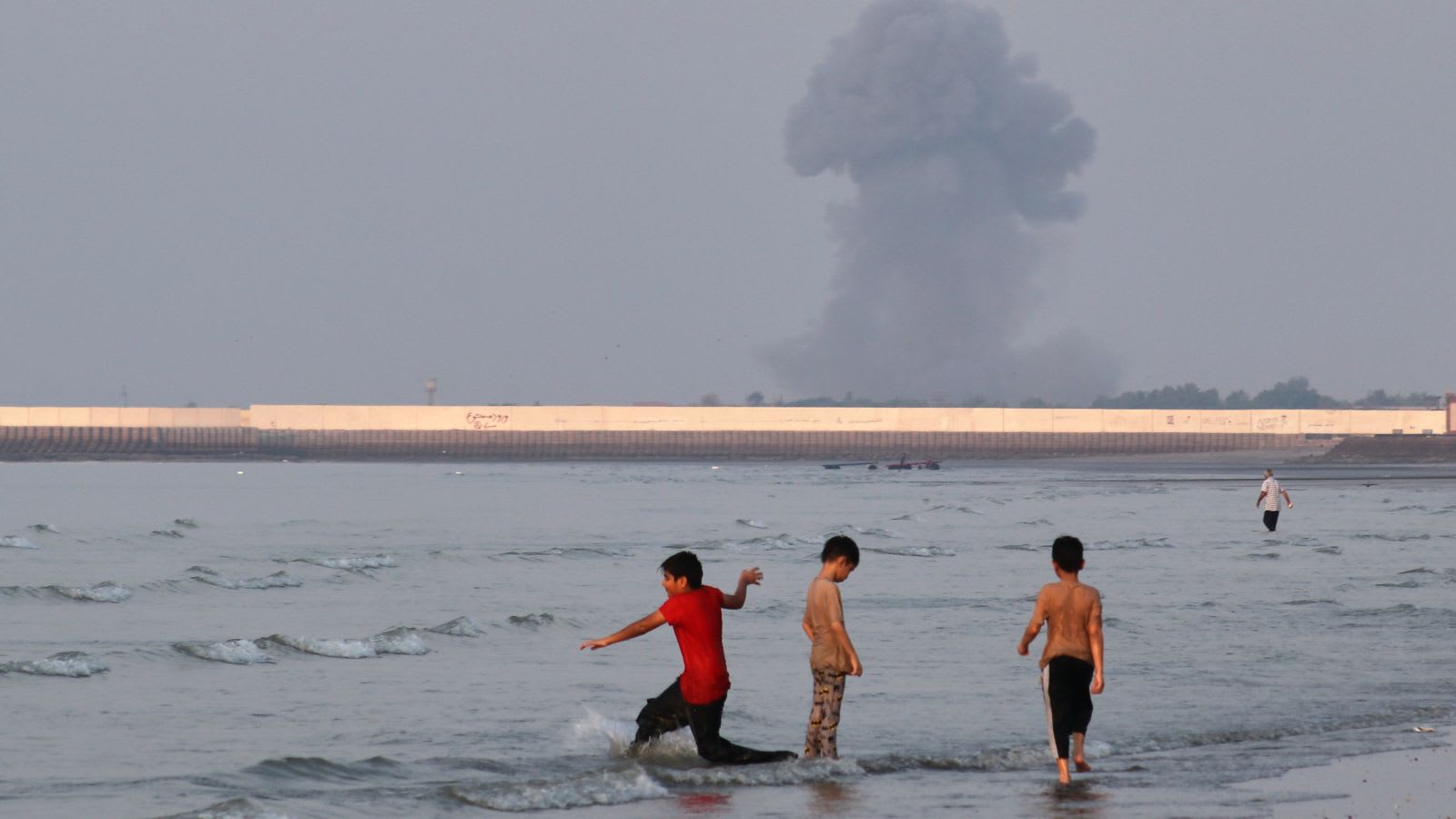
A plume of smoke rises from an explosion off Bandar Abbas, Iran, on Monday. (AP) India has lodged a protest with Iran over the attack on Indian seafarers in Hormuz. Iran’s Deputy chief of mission has...
Diplomatic Escalation: India's Response to Maritime Violence in Hormuz
The Indian government has taken a firm diplomatic stance following a tragic incident in the Strait of Hormuz, where an attack resulted in the death of an Indian seafarer. By summoning Iran's Deputy chief of mission, the Ministry of External Affairs has signaled that the loss of Indian life in international waters is a matter of grave concern. This move, coupled with a formal protest, underscores India's commitment to the safety of its citizens working in the high-risk maritime sector, particularly in one of the world's most volatile geopolitical corridors.
The Strategic Vulnerability of the Strait of Hormuz
The incident occurred near Bandar Abbas, a critical Iranian port city, placing the event at the heart of the Strait of Hormuz. This narrow waterway is arguably the most important oil transit chokepoint globally, through which a significant portion of the world's petroleum passes. For India, which relies heavily on energy imports from the Persian Gulf, any instability in this region is not merely a security threat to personnel but a direct risk to national energy security. The explosion and subsequent attack on seafarers highlight the precarious nature of commercial shipping in an area frequently used as a theater for regional power struggles and asymmetric warfare.
Analyzing the Diplomatic Signal
Summoning a foreign envoy is a calibrated diplomatic tool used to convey strong displeasure without necessarily severing ties. In this context, India is demanding accountability and clarity regarding the circumstances of the attack. By lodging a formal protest, New Delhi is putting Iran on notice that the safety of commercial vessels and their crews must be guaranteed. This action is particularly significant given India's broader strategic interests in the region, including its investment in the Chabahar port, which serves as a gateway to Central Asia. The Indian government must balance its need for strategic partnership with Iran against the immediate necessity of protecting its seafaring community.
The Human Cost of Maritime Conflict
India provides a vast percentage of the global merchant navy's workforce. Indian sailors are the backbone of international trade, often operating in dangerous environments. The death of a sailor in the Hormuz attacks is a stark reminder of the 'invisible' risks these professionals face. When commercial ships become collateral damage in geopolitical disputes, the human cost is often overshadowed by discussions of oil prices and naval maneuvers. This incident will likely prompt the Indian government to review its maritime safety protocols and enhance the coordination between the Indian Navy and commercial shipping agencies to provide better protection for Indian crews in high-risk zones.
Future Implications for Regional Stability
Moving forward, this event is likely to increase the insurance premiums for vessels traversing the Strait of Hormuz, potentially impacting shipping costs. Furthermore, it may push India to seek stronger multilateral security frameworks to ensure the freedom of navigation. While India and Iran have historically maintained a pragmatic relationship, recurring instability in the Gulf could force a shift in how New Delhi manages its naval presence in the region. The outcome of the current diplomatic protest will determine whether Iran takes proactive steps to secure the waters or if the region remains a volatile zone for international seafarers.
Summary
The death of an Indian sailor in the Strait of Hormuz has triggered a significant diplomatic response from New Delhi, manifesting in the summoning of the Iranian envoy. This event highlights the intersection of human tragedy, energy security, and geopolitical volatility. As India continues to project itself as a leading maritime power, the protection of its seafarers remains a non-negotiable priority, requiring a delicate balance of diplomatic pressure and strategic vigilance in the Persian Gulf.