One Bumrah, two very different Indias: Numbers expose bowling dependence
Source Entity
PRANAV SHUKLA
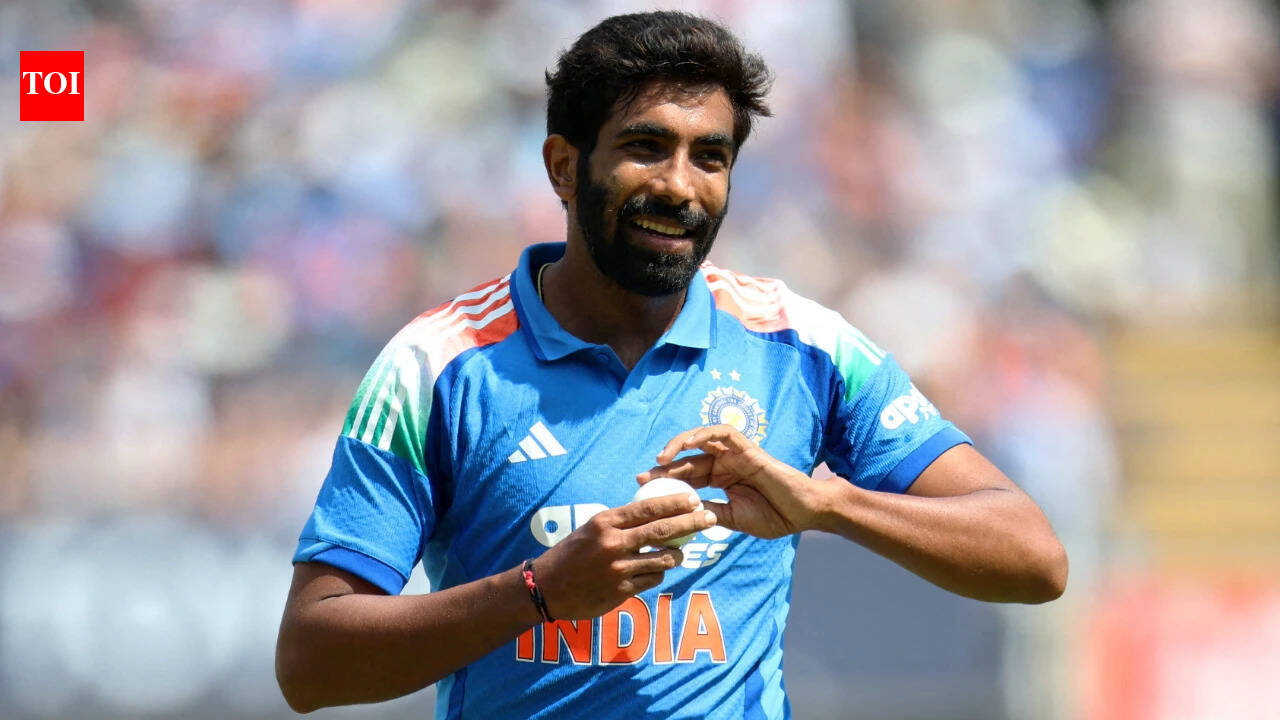
India's T20I bowling attack shows a significant decline in effectiveness during Jasprit Bumrah's absence. The team struggles with higher bowling averages and poor fielding, particularly evident in the ongoing West Indies series.
The Bumrah Dependency: A T20I Crisis
Recent statistical analysis reveals a concerning trend for the Indian cricket team in the T20I format: an overwhelming reliance on premier pacer Jasprit Bumrah. When Bumrah is absent from the lineup, India's bowling performance experiences a measurable decline, characterized by a significant increase in the bowling average and a reduced capacity to take wickets. This dependency creates a tactical imbalance, leaving the team vulnerable when their primary strike bowler is unavailable to manage pressure or break partnerships.
The Impact of Surface Conditions
The ongoing T20I series against the West Indies has served as a glaring case study for these defensive weaknesses. On batting-friendly surfaces where margins for error are razor-thin, the lack of a world-class anchor like Bumrah is amplified. Bowlers are finding it increasingly difficult to restrict scoring, as the opposition takes advantage of the lack of variety and penetration in the Indian attack. The inability to consistently take wickets during the middle overs has shifted the momentum, often leaving the team chasing totals that are exacerbated by poor bowling efficiency.
Fielding Failures and Strategic Consequences
Beyond the raw bowling metrics, India’s struggles are being compounded by lackluster fielding performances. The recurrence of dropped catches in critical moments of the West Indies series has placed undue pressure on the bowling unit. In modern T20 cricket, where every ball carries immense weight, these lapses are not merely individual errors but systemic issues that inflate the bowling team's workload and diminish their psychological edge over the opposition.
Historical Context and Tactical Evolution
Historically, India has often relied on individual brilliance to paper over cracks in their bowling depth. However, the 2026 season has exposed that this model is unsustainable in high-intensity T20 environments. While other nations have developed rotational depth to manage player workloads, India appears to be struggling to transition away from a 'Bumrah-centric' strategy. This reliance is historically problematic, as it limits the captain's tactical options and forces the team to adopt a reactive rather than proactive approach in the field.
Future Trends and Necessary Adjustments
Looking ahead, the Indian selection committee and coaching staff face a difficult crossroads. To remain competitive in international T20 circuits, the team must prioritize the development of a secondary tier of bowlers who can perform under pressure regardless of the surface. If India continues to rely on Bumrah to solve every tactical problem, they risk further exposure in future tournaments. Addressing the fielding standards and diversifying the bowling attack are no longer optional—they are essential requirements for maintaining relevance in the current T20 landscape.