Olympic gold medals aren't made of solid gold. Here's what they're actually made of
Source Entity
Latest News: Todays Latest News Headlines from India & World | Hindustan Times | Hindustan Times
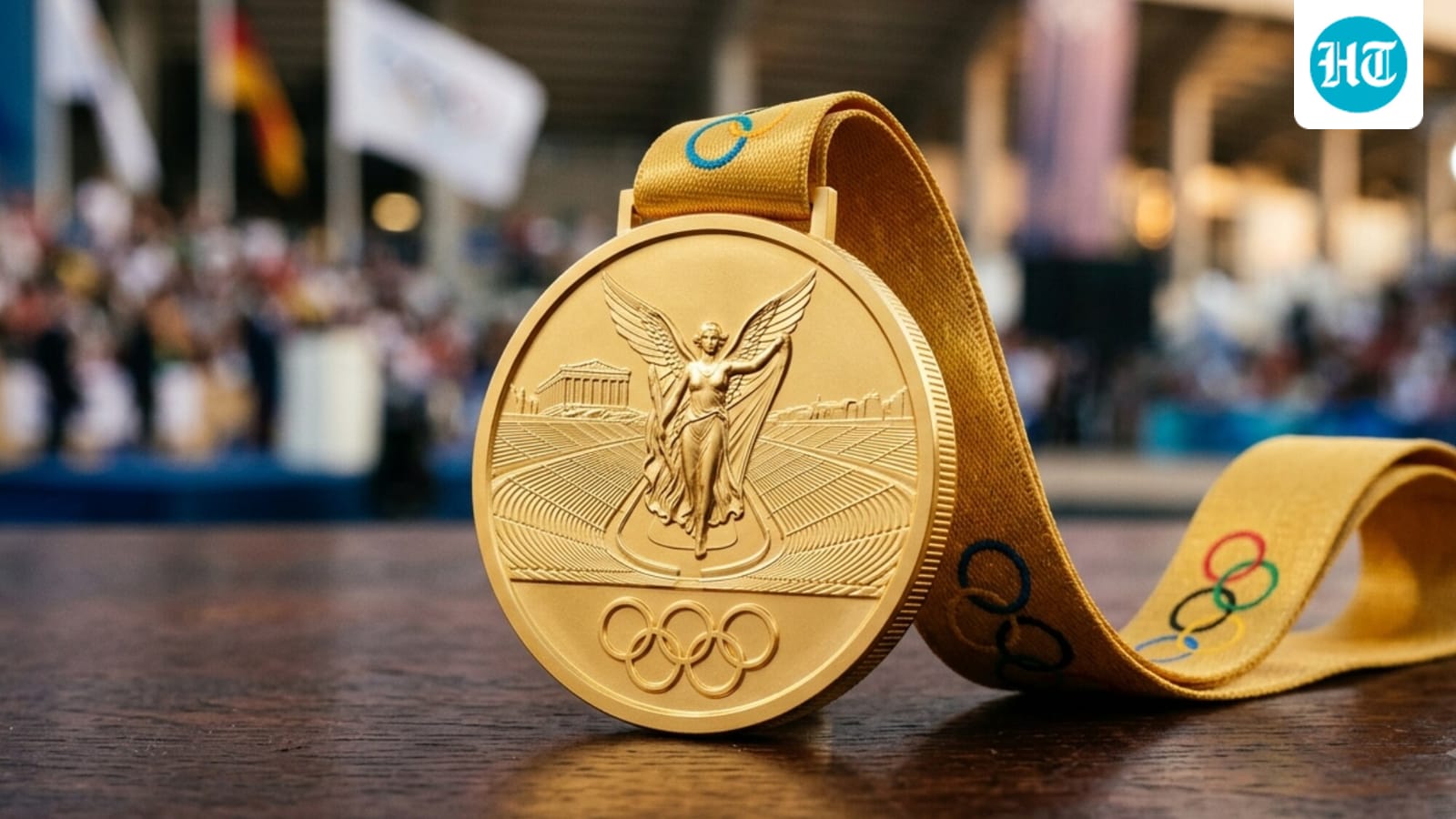
Olympic gold medals are primarily composed of silver rather than solid gold. Regulations mandate they contain at least 92.5% silver and a minimum of six grams of pure gold plating.
The Composition of Olympic Excellence
For athletes across the globe, the Olympic gold medal represents the pinnacle of human achievement and the culmination of years of grueling physical and mental sacrifice. While the aesthetic allure of the medal suggests a treasure of immense intrinsic value, the reality of its composition is a fascinating blend of tradition and economic pragmatism. Contrary to popular belief, these iconic prizes are not cast from solid gold, a fact that highlights the meticulous regulatory standards maintained by the International Olympic Committee (IOC).
The Regulatory Framework
The composition of Olympic medals is strictly governed by the IOC’s official regulations to ensure consistency and quality across every Olympiad. According to these standards, a gold medal is fundamentally a silver object. Specifically, the medals must be crafted from silver that is at least 92.5% pure, often referred to as sterling silver. This structural reliance on silver ensures the medal possesses durability and weight, serving as a robust foundation for the prestigious honor it represents.
The Gold Plating Process
To achieve the iconic golden finish, the silver base is coated with a layer of pure gold. The IOC mandates that each medal must contain at least six grams of pure gold. This thin, specialized plating provides the visual signature of victory that the world recognizes during medal ceremonies. This practice allows the Games to maintain the symbolism of 'gold' while avoiding the prohibitive costs and physical softness associated with manufacturing medals out of 24-karat gold, which would be significantly more prone to scratching or deformation.
Physical Specifications and Standardization
Beyond the metallic composition, the IOC enforces strict physical dimensions for all Olympic medals. The regulations require each medal to be at least 60 millimetres in diameter and at least three millimetres in thickness. These specifications ensure that every athlete, regardless of the sport or the host city, receives a trophy that meets a uniform standard of presence and prestige. These requirements allow host nations to incorporate unique artistic designs—often reflecting their own culture—while adhering to the rigid technical constraints that define the Olympic brand.
Historical and Economic Context
The shift away from solid gold medals is not a new phenomenon; in fact, the last time solid gold medals were awarded at the Olympic Games was in 1912. The transition to gold-plated silver was driven primarily by the rising costs of precious metals and the logistical challenge of producing high-quality, durable awards for an ever-expanding roster of events. By utilizing silver as the primary material, the Olympic movement ensures that the medals remain structurally sound keeps the production process economically sustainable for host cities.
Conclusion
Ultimately, the value of an Olympic gold medal transcends its metallic content. While the composition is technically silver coated in gold, the true worth of the object lies in the narrative of victory, the spirit of international competition, and the history it represents. Understanding the technical specifications behind the medal does not diminish its luster; rather, it underscores the precise, regulated nature of the Olympic Games, where even the most symbolic items are crafted with exacting standards and historical foresight.
Verification Required?