Asian Games 2026: Meet Teqball, the sport that could give India its first medal
Source Entity
Pritish Raj
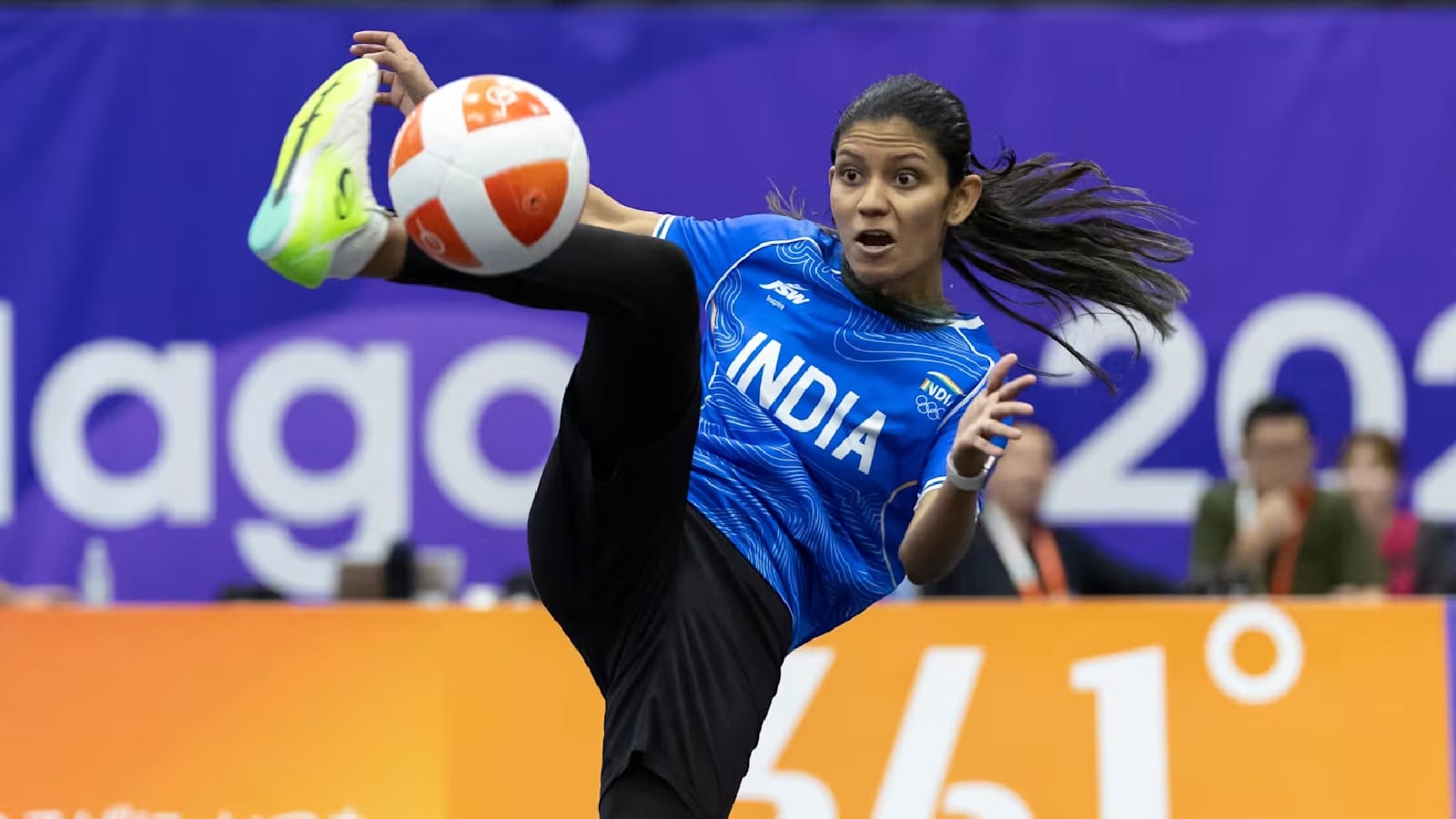
India is on the verge of its first-ever Teqball medal at the 2026 Asian Games in Aichi-Nagoya. Athlete Quimcy Dsouza will compete in the bronze medal matches for both women's singles and mixed doubles. This marks a significant milestone for the sport in India, which only began its organized journey in 2019.
The Rise of Teqball in India: A Path to Asian Games History
At the 2026 Asian Games in Aichi-Nagoya, a new sport is capturing attention, offering India a unique opportunity to secure its first-ever medal in the discipline. Teqball, a hybrid sport that blends the dexterity of football with the structure of table tennis, is making its official debut at the continental level. While traditional events like shooting and wrestling have long been the focus of Indian sporting aspirations, the curved table and the football used in Teqball are now at the center of a historic breakthrough.
Understanding the Sport: A Global Phenomenon
Originating in Budapest, Hungary, in 2012, Teqball has rapidly evolved from a niche training tool for footballers into a standalone competitive sport. It is played on a specially designed curved table, utilizing a standard-sized football and requiring players to return the ball to the opponent's side using any part of the body except the hands. The sport’s growth has been bolstered by high-profile endorsements, including stars like Ronaldinho, whose public engagement with the game has helped propel it into the mainstream sporting consciousness.
The Indian Journey: From Nascent Roots to Global Stage
India’s involvement in Teqball is a relatively recent phenomenon. The sport first gained traction in the country in 2019, the same year Teqball India was established. Starting with a modest base of just 200 registered players, the sport has grown under the guidance of technical directors like Nihar Shah. The current squad in Nagoya represents the first generation of Indian "teqers," a group that has moved from domestic obscurity to the international podium in a remarkably short span of time.
Quimcy Dsouza: The Face of Indian Teqball
At the forefront of this movement is Quimcy Joaquim Dsouza, a 24-year-old athlete whose versatile background spans middle-distance running and football. As a seven-time national champion and an international trailblazer, Dsouza’s campaign at the 2026 Asian Games has been defined by both resilience and skill. Despite a narrow 1-2 semifinal loss to Indonesia’s Ima Sumaya—where she surrendered a promising 7-3 lead—her determination remains undeterred.
The Road to the Podium
Dsouza’s path to history is twofold. She is scheduled to compete against Japan’s world No. 7, Yuina Sakamoto, in the women’s singles bronze medal match, a player she previously defeated during the group stages. Additionally, Dsouza will team up with Md Anas in the mixed doubles category, where they are also slated to fight for bronze. These matches are not merely athletic contests; they represent the culmination of years of development for the Indian Teqball federation.
Future Implications for Indian Athletics
The potential success of India in Teqball at the Asian Games could serve as a catalyst for further investment and interest in non-traditional sports. By diversifying its sporting footprint, India demonstrates that its athletes are capable of competing at the highest levels in emerging disciplines. Should Dsouza or the mixed doubles team secure a medal, it will likely trigger a surge in participation, professionalizing the sport further and solidifying Teqball's place in the Indian sporting landscape for years to come.