India Likely To Overtake US In Metro Rail Network In 2 Years: Union Minister
Source Entity
NDTV News Search Records Found 1000
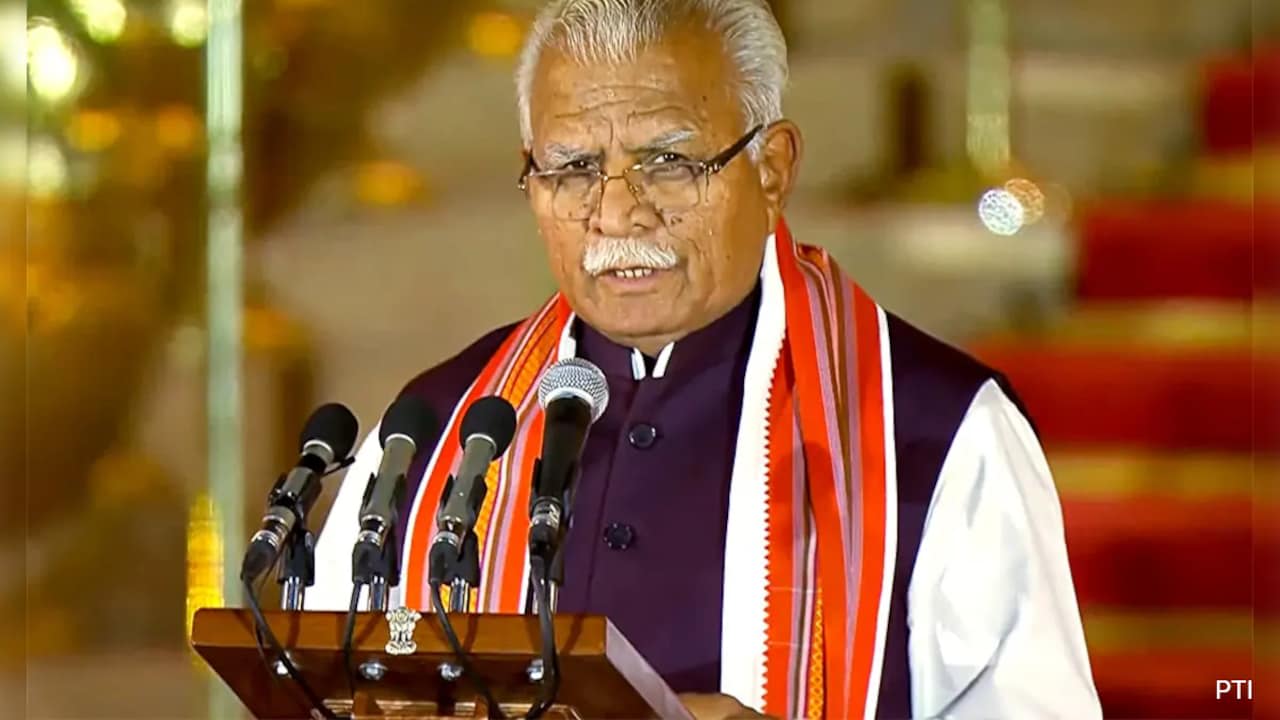
India is on track to surpass the United States' 1,386 km metro rail network within the next two years. This shift reflects India's rapid urban infrastructure expansion and commitment to large-scale transit modernization.
India's Rapid Urban Transit Expansion
India is currently undergoing a massive transformation in its urban infrastructure, with recent reports indicating that the nation is poised to overtake the United States in total metro rail network length within the next two years. With the United States currently operating a network spanning 1,386 kilometers, the aggressive pace of construction across various Indian cities suggests that India’s total operational track length will soon eclipse this figure, marking a significant milestone in the country's logistical development.
The Scale of Indian Infrastructure Growth
The ambition behind India's rail expansion is rooted in the necessity to address the rapid urbanization of its major metropolitan hubs. As population densities in cities like Delhi, Mumbai, Bengaluru, and Hyderabad continue to surge, the reliance on traditional road-based transport has become unsustainable. By prioritizing the development of metro systems, the Indian government is attempting to alleviate traffic congestion, reduce carbon emissions, and provide a cost-effective, reliable mode of mass transit for millions of daily commuters.
Comparing Global Transit Models
The United States, while possessing historic rail infrastructure in cities like New York, Chicago, and Washington D.C., has historically relied heavily on private vehicle ownership and extensive highway networks. In contrast, India’s modern approach centers on building comprehensive rail corridors that connect residential suburbs with commercial business districts. This strategic pivot toward rail-based mass transit represents a fundamental shift in how India plans to facilitate economic growth and urban mobility.
Economic and Environmental Implications
The economic implications of this expansion are profound. Enhanced connectivity is expected to boost local economies by increasing workforce mobility and opening up new real estate markets along transit corridors. Furthermore, from an environmental perspective, shifting millions of passengers from private vehicles and buses to electric metro trains is a critical component of India’s national climate strategy, aimed at reducing the per-capita carbon footprint of its urban centers.
Future Trends and Technological Integration
Looking ahead, the next phase of this development will likely involve the integration of advanced signaling systems and automated train operations to increase frequency and safety. As the network grows, the challenge will shift from mere construction to effective maintenance and the integration of 'last-mile' connectivity solutions, such as feeder buses and micro-mobility options. India’s trajectory suggests that it will become a global leader in high-capacity urban rail, setting a standard for other developing nations facing similar population pressures.
Conclusion
In conclusion, the fact that India is set to overtake the United States in total metro rail length is a testament to the country's focus on long-term infrastructure planning. While the U.S. network remains an established benchmark, India's rapid construction rate signifies a new era of urban transit. This evolution will not only reshape the daily lives of Indian citizens but also serve as a vital engine for the nation's broader economic modernization in the coming decades.
Verification Required?