India-UK trade deal kicks in: PM Narendra Modi says boost for farmers & MSMEs
Source Entity
Shubhajit Roy
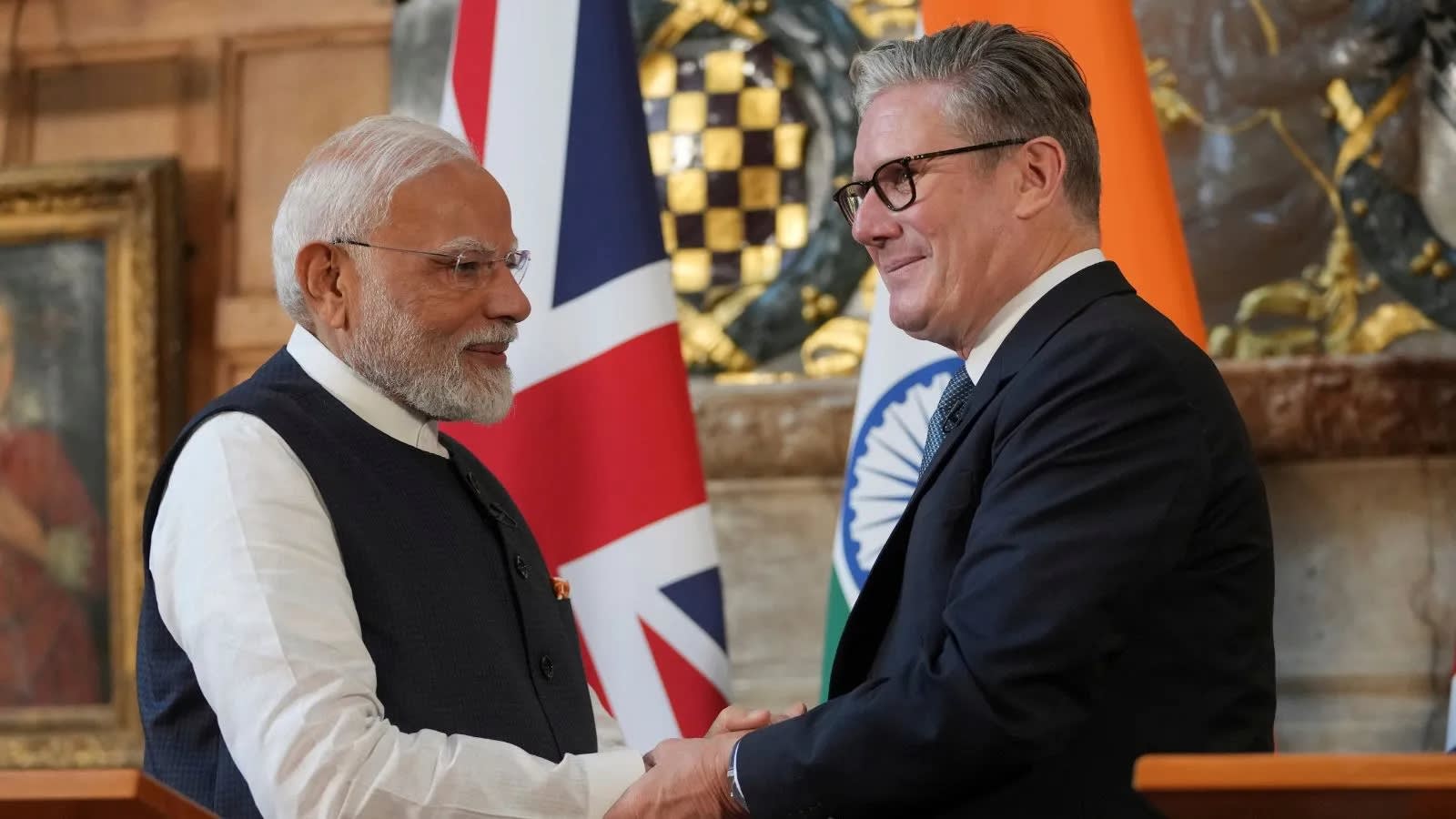
India and the UK have implemented the Comprehensive Economic and Trade Agreement (CETA), which significantly reduces or eliminates duties on 99% of Indian goods entering the UK and 90% of UK goods entering India, promising a major boost for farmers and MSMEs.
A New Era of Economic Synergy: Analyzing the India-UK CETA
The implementation of the Comprehensive Economic and Trade Agreement (CETA) between India and the United Kingdom marks a watershed moment in the bilateral relationship between the two nations. By drastically reducing trade barriers, this agreement is not merely a technical adjustment of tariffs but a strategic realignment of economic priorities. Prime Minister Narendra Modi's emphasis on the benefits for farmers and Micro, Small, and Medium Enterprises (MSMEs) underscores a commitment to inclusive growth, ensuring that the advantages of global trade permeate beyond large conglomerates to reach the grassroots of the Indian economy.
Empowering the Grassroots: Impact on Farmers and MSMEs
The provision that 99% of Indian goods entering the UK will be duty-free or attract reduced tariffs is a monumental win for India's export-oriented sectors. For MSMEs, which form the backbone of India's industrial output, this removes a significant cost barrier, allowing Indian textiles, leather goods, and handcrafted products to compete more effectively in the high-value British market. Furthermore, the agricultural sector stands to gain immensely; by lowering duties, Indian farmers can diversify their export destinations, reducing reliance on traditional markets and increasing the foreign exchange earnings of rural communities.
Reciprocal Gains and the UK's Strategic Pivot
From the British perspective, the 90% reduction or elimination of duties on goods entering India provides a critical lifeline for UK exporters. This is particularly significant for the UK's high-end manufacturing, automotive, and beverage industries—most notably the Scotch whisky sector, which has long sought greater access to the Indian market. This agreement reflects the 'Global Britain' strategy adopted post-Brexit, as the UK seeks to pivot its trade focus toward the Indo-Pacific region to offset the loss of seamless access to the European Single Market.
Historical Context and Negotiation Hurdles
To appreciate the magnitude of CETA, one must consider the complex history of India-UK trade negotiations. For years, progress was stalled by contentious issues such as intellectual property rights, professional visa requirements for Indian workers, and sensitivities regarding dairy and agricultural protections. The successful rollout of this agreement suggests a pragmatic shift in diplomacy, where both nations have prioritized immediate economic wins over long-standing ideological deadlocks, signaling a newfound maturity in their diplomatic engagement.
Broader Geopolitical and Strategic Implications
Beyond the balance sheets, the CETA is a geopolitical statement. As global supply chains shift away from over-reliance on a single source—specifically China—the India-UK partnership serves as a blueprint for diversifying trade. By integrating their economies, India and the UK are strengthening a democratic axis in the Indo-Pacific. This economic integration is likely to pave the way for deeper cooperation in defense, cybersecurity, and green technology, as trade agreements often act as the primary catalyst for broader strategic partnerships.
Future Trends and Potential Challenges
Looking ahead, the success of CETA will depend on the efficiency of implementation and the ability of MSMEs to meet UK quality and regulatory standards. While tariffs are lower, non-tariff barriers—such as sanitary and phytosanitary (SPS) measures—could still pose challenges for Indian agri-exports. Future trends will likely see a surge in bilateral investments in the services sector, particularly in fintech and healthcare, as the trade in goods creates a foundation of trust and institutional familiarity between the two markets.
Conclusion
In summary, the India-UK Comprehensive Economic and Trade Agreement is a transformative deal that promises to revitalize trade flows and empower smaller economic players. By lowering the walls of protectionism, both nations are positioning themselves to capitalize on the growth of the 21st-century global economy. While challenges in regulatory alignment remain, the overarching trajectory is one of mutual prosperity and strategic convergence, marking a definitive step toward a more integrated and resilient economic partnership.