India launches UNSC campaign for 2028-29 term, Jaishankar unveils ‘SHANTI’ vision
Source Entity
TOI NEWS DESK
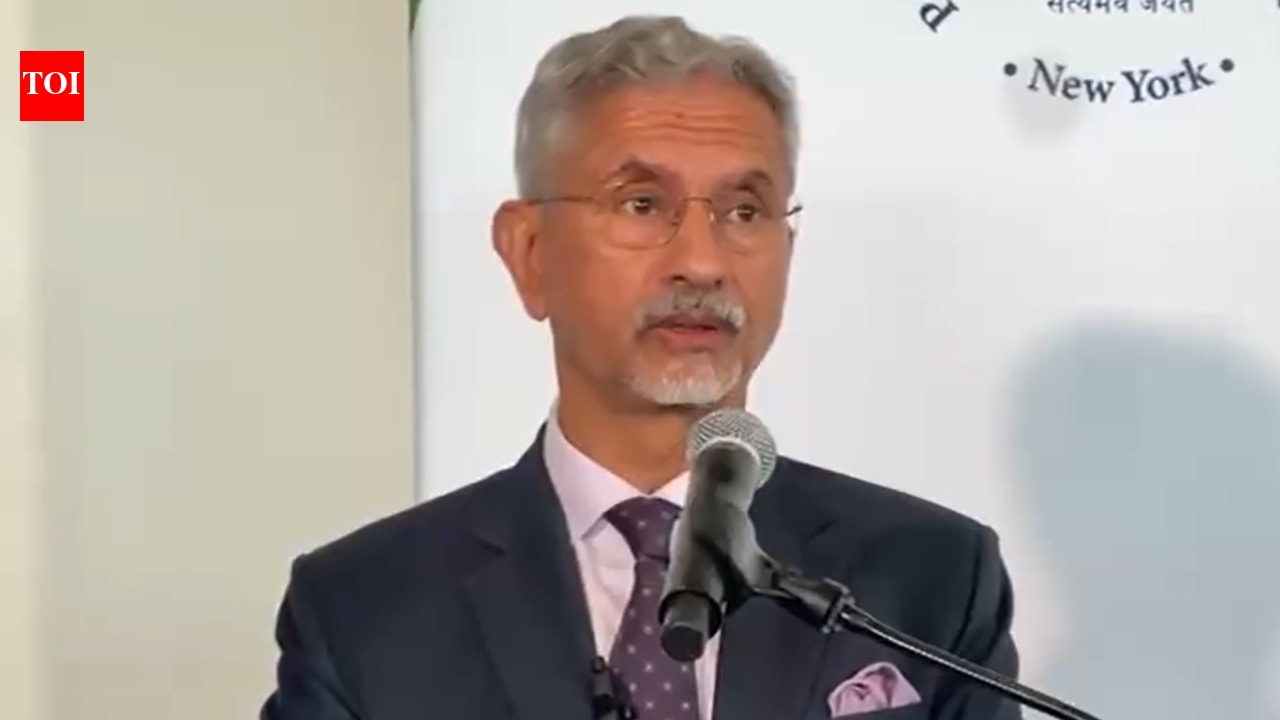
India officially launched its campaign for a United Nations Security Council seat. External affairs minister S Jaishankar highlighted the country's peacekeeping and development partnerships. India presented its SHANTI vision for global governance and cooperation among nations. The nation seeks support for its candidature amid a changing global landscape. India previously served eight terms as a non-permanent Security Council member.
India's Strategic Bid for the UNSC 2028-29 Term
India has formally initiated its diplomatic campaign to secure a non-permanent seat on the United Nations Security Council (UNSC) for the 2028-29 term. This move, spearheaded by External Affairs Minister S. Jaishankar, is not merely a routine application for membership but a calculated assertion of India's growing influence in global geopolitics. By unveiling the 'SHANTI' vision, India is positioning itself as a bridge-builder in an increasingly polarized international environment, emphasizing a framework of peace, stability, and collaborative governance.
The 'SHANTI' Vision and Global Governance
At the heart of this campaign is the 'SHANTI' vision, a strategic roadmap designed to redefine how the international community approaches global governance. In an era marked by systemic instability and the erosion of multilateral trust, India's proposal emphasizes a move toward more equitable and inclusive decision-making. The vision suggests that the current structures of global power are outdated and that a renewed focus on cooperation—rather than confrontation—is essential for addressing transnational threats. This approach seeks to align the interests of the Global South with the established powers of the Security Council, advocating for a world where diplomacy takes precedence over unilateral action.
Leveraging a Legacy of Peacekeeping
To bolster its candidature, India is heavily leaning on its proven track record as one of the largest contributors to UN peacekeeping operations. By highlighting its history of deploying troops to some of the world's most volatile regions, India demonstrates a tangible commitment to the UN's core mandate of maintaining international peace and security. This emphasis on peacekeeping is coupled with a focus on 'development partnerships,' showcasing how India's domestic growth and technical expertise can be exported to assist other developing nations. This dual-track strategy of security and development provides a compelling argument for India's necessity within the Council.
Navigating a Changing Global Landscape
The timing of this campaign is critical, as it coincides with a significant shift in the global order. The transition from a unipolar world to a multipolar one has created a vacuum in leadership and a need for new voices in the UNSC. India's bid is a response to this changing landscape, arguing that the Council cannot remain effective if it does not reflect the current demographic and economic realities of the 21st century. By seeking a seat for 2028-29, India is signaling its readiness to take a leading role in managing crises, from climate-induced security threats to the regulation of emerging technologies.
Historical Context and the Path to Permanence
India's current bid is grounded in a long history of engagement with the UN, having already served eight terms as a non-permanent member. Each of these terms has served as a testing ground for India's diplomatic capabilities and its ability to build coalitions. However, the broader objective remains the eventual acquisition of a permanent seat on the Council. While the 2028-29 non-permanent bid is a short-term goal, it serves as a critical stepping stone to demonstrate continued reliability and leadership, thereby strengthening the long-term case for a permanent expansion of the P5 (Permanent Five) members to include India.
Conclusion: The Diplomatic Road Ahead
In summary, India's launch of the UNSC campaign for 2028-29, centered on the 'SHANTI' vision, represents a sophisticated blend of historical legitimacy and forward-looking diplomacy. By integrating its peacekeeping legacy with a modern vision for global governance, India aims to convince the international community that its presence on the Council is indispensable for a stable and just world order. The success of this campaign will depend on India's ability to maintain broad international support amidst shifting alliances, but the strategic foundation laid by Minister Jaishankar positions the nation as a primary contender for the role.