India and the U.S. Keep the Oil Flowing While Global Supplies Run Low
Source Entity
Yahoo Finance
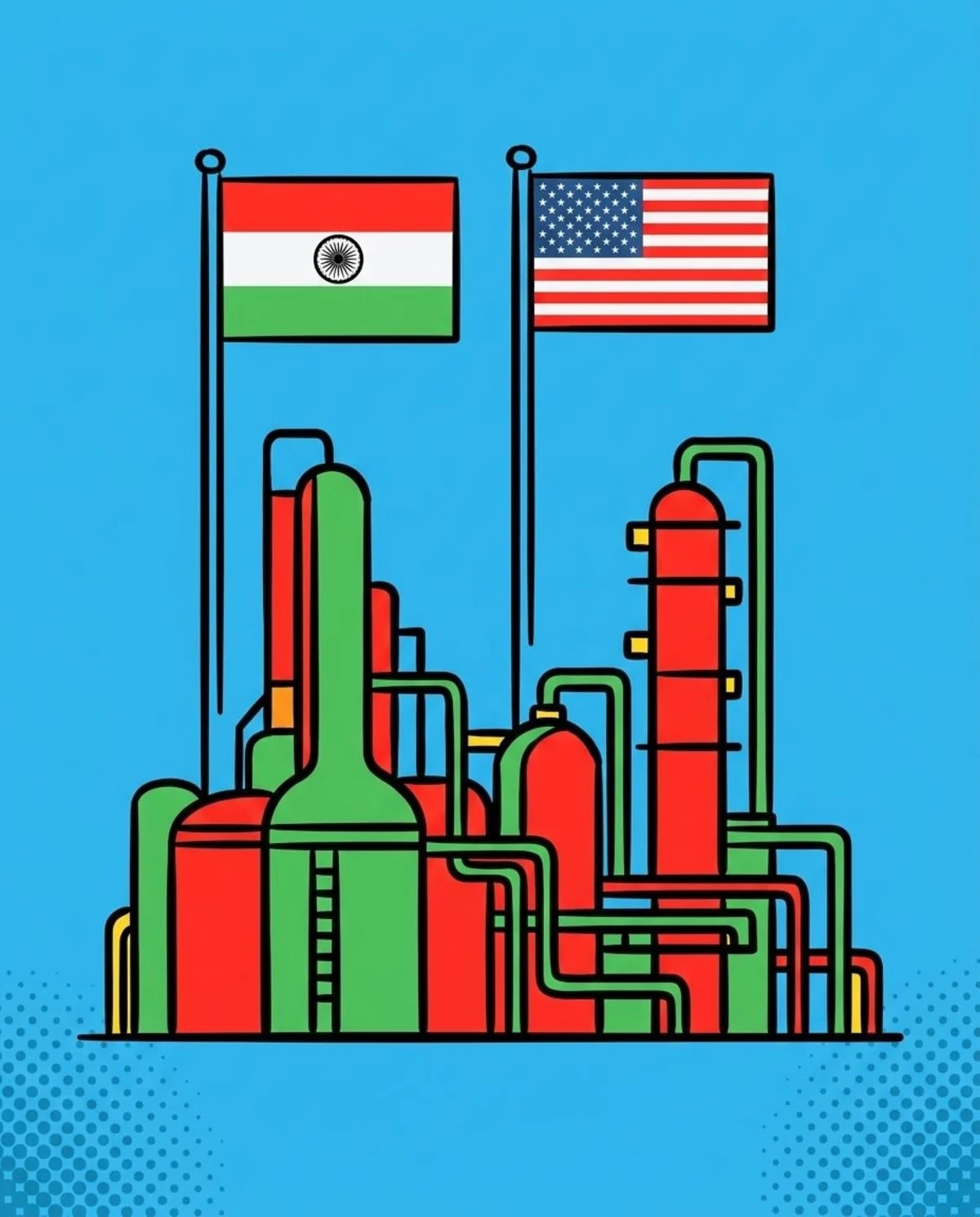
India and the U.S. are capitalizing on global supply chain disruptions caused by conflicts in Ukraine and Iran. By operating refineries at near-capacity, both nations are securing significant export windfalls through increased sales of diesel and heating oil.
The Geopolitical Shift in Global Energy Markets
The ongoing conflicts in Ukraine and Iran have fundamentally altered the landscape of global energy distribution. As traditional supply chains face significant bottlenecks and geopolitical pressure, a unique economic opportunity has emerged for major energy refiners in India and the United States. These nations have stepped into the void left by the restricted movement of Russian and Gulf oil, effectively reconfiguring the flow of petroleum products to markets in Asia, Europe, and Latin America.
Maximizing Refinery Capacity
To meet the surging global demand for refined products, both Indian and U.S. refineries are currently operating at or near maximum capacity. This surge in operational output is not merely a reactionary measure but a strategic pivot to capture market share. By processing crude into essential commodities like diesel and heating oil, these refiners are fulfilling a critical need in regions that previously relied on more localized or traditional sources that are now compromised by international sanctions or wartime instability.
The Economic Windfall
For both New Delhi and Washington, this shift has translated into a multibillion-dollar export windfall. Despite occasional diplomatic friction between the two nations regarding specific energy policies or pricing, the underlying economic incentives have fostered a robust, if unspoken, synergy. The revenue generated from these exports serves as a vital economic engine, proving that market forces often operate independently of, and sometimes in tension with, broader geopolitical disputes.
Strategic Implications of Refined Exports
The reliance on Indian and U.S. refined products underscores a shift in the hierarchy of energy power. By controlling the refining capacity rather than just the raw crude extraction, these nations have insulated themselves against some of the volatility inherent in the global market. This position allows them to act as a stabilizing force for global supply, even as they reap the financial rewards of being the primary suppliers of essential refined fuels during a period of acute global shortage.
Future Trends and Market Sustainability
Looking ahead, the sustainability of this export boom depends on the duration of the conflicts currently disrupting traditional supply lines. If the current geopolitical climate persists, the dependence of Europe and other regions on U.S. and Indian refined products is likely to deepen, creating long-term trade alliances that may outlast the conflicts themselves. Investors and policymakers should watch these refining margins closely, as they have become a bellwether for the health of the global energy economy in an era of fractured international relations.