Indians May Have To Wait 179 Years For US Green Card. Here's Why
Source Entity
NDTV News Search Records Found 1000
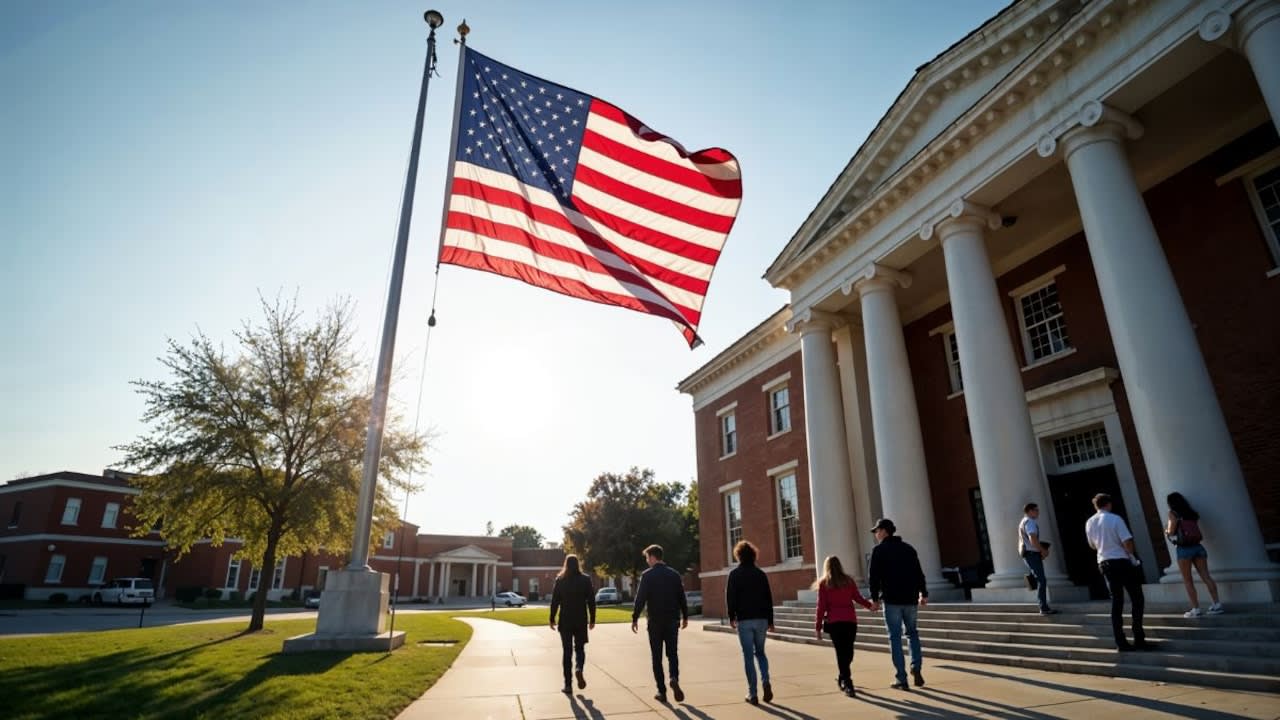
Indian professionals face a staggering 179-year wait for US employment-based green cards due to outdated 1990s legislative caps. With over 1 million Indian applicants in a 1.2 million person backlog, the current system severely limits talent retention for US companies.
The Crisis of the US Immigration Backlog
Recent analysis from the National Foundation for American Policy (NFAP) has brought to light a staggering reality for Indian professionals seeking employment-based permanent residency in the United States. Projections indicate that some applicants may face a wait time of up to 179 years, a figure that highlights the profound dysfunction within the current American immigration framework. This estimate is not merely a statistical anomaly but a reflection of a system struggling to adapt to the demands of the modern global economy.
The Legislative Bottleneck
The root of this crisis lies in statutory limitations set by the US Congress in 1990. Under these outdated rules, there is a fixed annual limit of approximately 140,000 employment-based green cards. Because these caps do not account for modern labor market realities or the exponential growth in demand for highly skilled labor, they have created a massive, unmanageable queue. With a backlog that has now surpassed 1.2 million applicants, the rigid structure of the 1990 legislation acts as a choke point for international talent.
Disproportionate Impact on Indian Professionals
Among the various nationalities seeking residency, Indian professionals are disproportionately affected. The data reveals that nearly 1 million of the 1.2 million people currently in the employment-based backlog are from India. This concentration is driven by country-specific limitations that force Indian workers into a significantly slower processing queue compared to other nations. Consequently, these individuals—who often serve as critical contributors to US companies—are subjected to uncertainty that spans generations, effectively trapping them in a cycle of visa renewals.
Implications for US Corporate Talent Retention
Beyond the personal toll on families, this backlog serves as a significant hurdle for American businesses. Companies that rely on highly skilled workers to maintain their competitive edge are finding it increasingly difficult to retain talent that cannot secure permanent status. When employees face a potential 179-year wait, the lack of long-term stability discourages professional investment and creates a talent drain, as these highly skilled workers may eventually seek opportunities in more immigration-friendly jurisdictions.
Future Trends and Systemic Challenges
Looking ahead, the situation appears unlikely to improve without meaningful legislative reform. As the EB-2 and other employment-based categories continue to grow, the gap between the annual supply of green cards and the number of qualified applicants will widen. Unless Congress updates the 1990-era caps or modifies the country-specific quota system, the backlog will likely continue to expand. This issue remains a critical friction point in US immigration policy, pitting stagnant legislative rules against the evolving needs of the globalized workforce.
Conclusion
The 179-year wait time is a clear indicator that the US immigration system is failing to meet the needs of the 21st century. By failing to modernize the caps established over three decades ago, the US risks losing its status as a primary destination for global talent, while simultaneously placing undue hardship on the Indian professionals who form the backbone of many key industries.
Verification Required?