Sikkim Installs Sensors At 16 High-Risk Glacial Lakes After Nepal Floods
Source Entity
NDTV News Search Records Found 1000
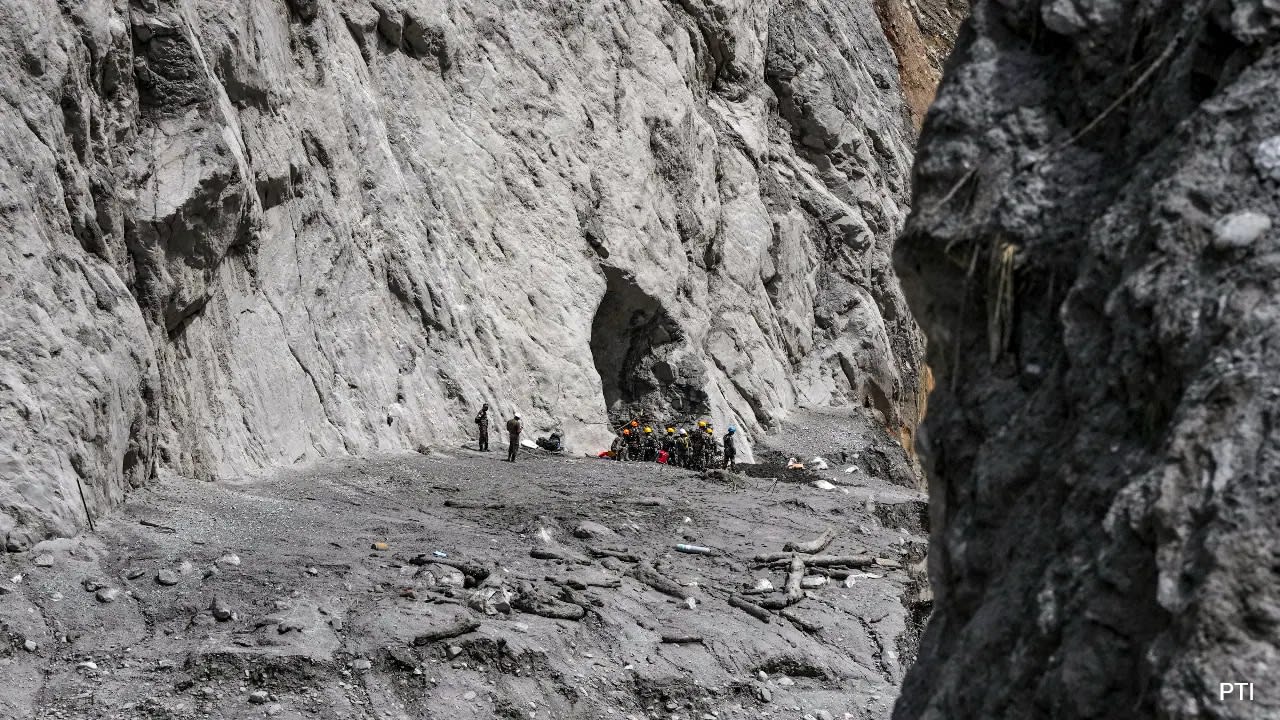
A catastrophic glacial collapse on the Nepal-China border has resulted in over 1,000 deaths and thousands missing, highlighting critical gaps in transboundary disaster data sharing. The tragedy has prompted emergency rescue operations and spurred regional neighbors like Sikkim to bolster their own glacial lake monitoring systems.
The Himalayan Crisis: A Transboundary Disaster
The recent catastrophic flooding along the Nepal-China border, triggered by a massive glacial collapse on August 26, has claimed over 1,000 lives and left thousands missing. This event marks a harrowing turning point in Himalayan disaster management, as the sheer scale of the destruction—obliterating infrastructure and trapping hundreds in hydropower tunnels—has overwhelmed local response capabilities. The disaster has highlighted the extreme vulnerability of the region, where fragile geology meets the unpredictable consequences of a changing climate.
The Data Sharing Deficit
One of the most concerning aspects of this tragedy is the apparent gap in cross-border disaster data sharing between Nepal and China. As the Himalayas serve as a shared ecological system, the lack of synchronized early-warning systems and real-time hydrological data has hampered rescue efforts. When glacial lakes fail, water and debris move with lethal speed; without integrated monitoring, downstream communities remain effectively blind to impending surges. This disaster underscores the urgent need for a unified Himalayan data protocol that transcends political boundaries.
Infrastructure and Human Toll
The human cost of this event is staggering, with thousands of workers and pilgrims currently unaccounted for. The concentration of hydropower projects in these high-risk zones has created a specific danger profile: tunnels and construction sites become death traps during sudden flood events. As rescue teams struggle to reach isolated communities where road and bridge networks have been severed, the international community is forced to confront the safety standards of industrial development in high-altitude, unstable terrain.
Regional Preparedness and Future Trends
In the aftermath of the Nepal floods, neighboring regions are rapidly re-evaluating their own security measures. For instance, Sikkim has moved to install sensors at 16 high-risk glacial lakes to monitor water levels and prevent similar outcomes. This shift toward proactive, technology-driven disaster mitigation is likely to become the new standard for all Himalayan nations. The reliance on early-warning sensors represents a necessary evolution in how mountain states manage the constant threat of glacial lake outburst floods (GLOFs).
A Call for Geopolitical Cooperation
Looking ahead, the tragedy serves as a grim reminder that climate-induced disasters do not respect borders. Future stability in the region will depend on whether Nepal, China, and India can move past geopolitical tensions to establish robust, transboundary communication channels. Without a collaborative approach to monitoring the Himalayas, the region will continue to face the threat of repeated, large-scale loss of life as glacial instability remains a permanent feature of the landscape.
Conclusion
While rescue and recovery operations remain the immediate priority, the long-term lesson is clear: the Himalayan region requires a fundamental transformation in how it approaches disaster risk reduction. The integration of advanced sensor technology, combined with a transparent framework for sharing meteorological and hydrological data, is the only way to mitigate the existential risks posed by the region's precarious geography.
Multiple Citing Sources
Verification Required?