India will de-risk, not decouple, from US and China
Source Entity
Sanjaya Baru
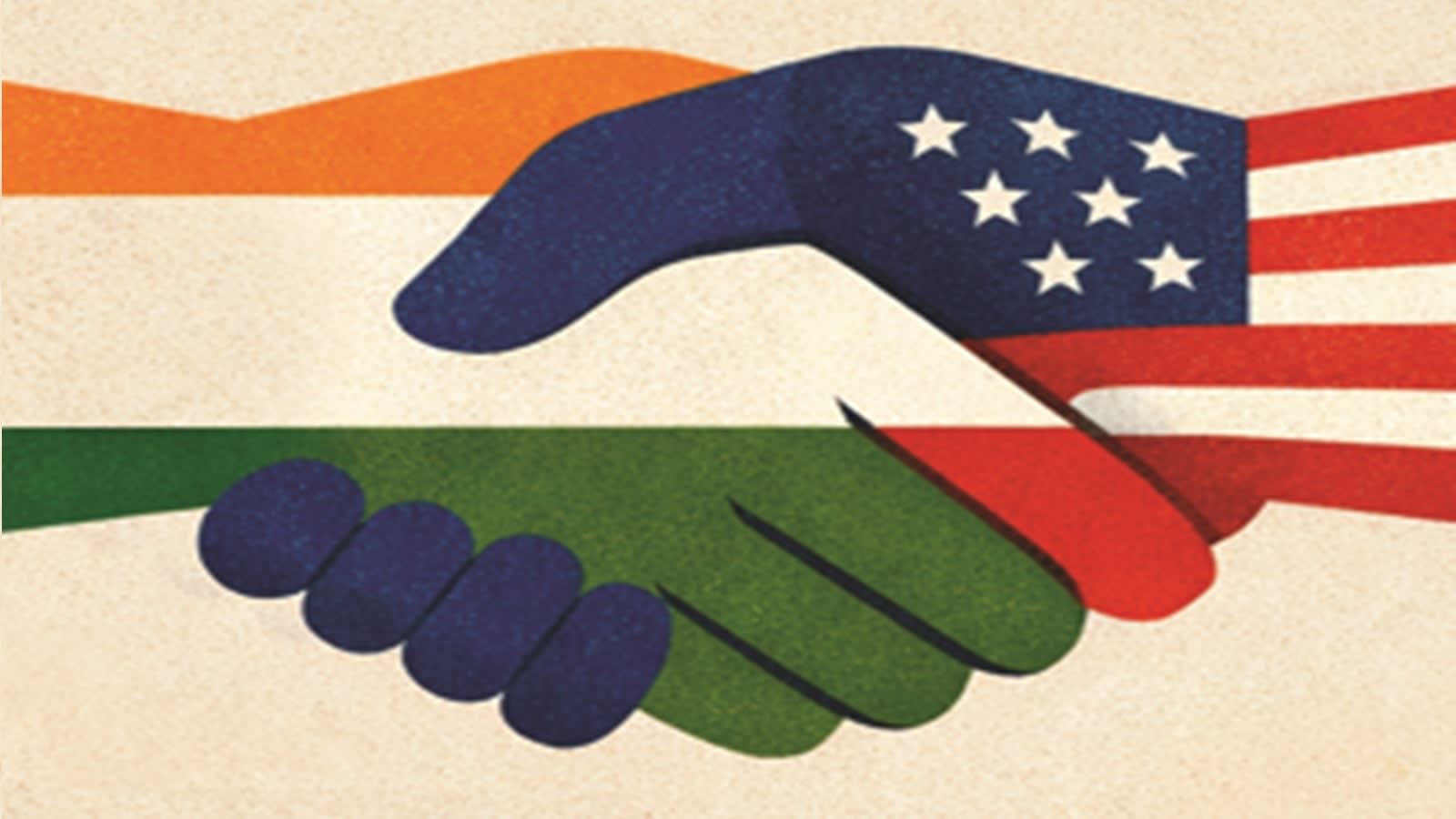
The US Congress has passed the Lindsey O Graham Sanctioning Russia and Iran Act 2026, authorizing tariffs on major Russian energy importers, including India. This move has sparked accusations of 'blackmail' diplomacy, as India balances its national interests against shifting global geopolitical pressures.
The Geopolitical Collision: US Sanctions and India's Strategic Autonomy
The recent passage of the 'Lindsey O Graham Sanctioning Russia and Iran Act 2026' by the United States Congress marks a significant escalation in tensions between Washington and major global economies. By authorizing the US President to impose tariffs of up to 100 percent on the five largest purchasers of Russian oil and gas—specifically China, India, Slovakia, Hungary, and Azerbaijan—the legislation represents a direct challenge to the economic sovereignty of these nations. This development is being framed by critics as a form of 'blackmail' diplomacy, designed to force a shift in India’s principled stance regarding its energy procurement.
The Hypocrisy of Selective Enforcement
A primary point of contention is the perceived double standard inherent in the legislation. While the act targets nations like India for continuing to engage with Russian energy markets, America’s European allies have been granted exemptions under the guise of their ongoing efforts to reduce consumption. This selective application of economic punitive measures undermines the stated goal of the sanctions, fueling arguments that the policy is less about global energy security and more about exerting geopolitical leverage over emerging powers that refuse to align entirely with US foreign policy objectives.
Economic De-risking vs. Decoupling
India’s response to these developments signals a calculated shift toward a policy of 'de-risking' rather than 'decoupling.' By prioritizing national interest and economic development, New Delhi is attempting to navigate a treacherous path between its traditional ties with Russia and its strategic partnership with the United States. The threat of 100 percent tariffs places immense pressure on the Indian economy, yet the government remains focused on maintaining strategic autonomy, refusing to be treated as a pawn in the broader conflict between the US and its adversaries.
The Role of Multilateral Forums like BRICS
Amidst this external pressure, India’s engagement with multilateral platforms like BRICS has taken on renewed importance. As seen during the BRICS 2026 summit, these forums serve as vital conduits for dialogue, even when they do not immediately produce tangible policy outcomes. The high-level meetings between regional rivals, such as Iran and the UAE, underscore the value of BRICS as a diplomatic space for mediation in a fractured global order. The ability to issue joint declarations, even amidst the backdrop of the West Asia war, demonstrates that India’s diplomacy is focused on long-term influence rather than short-term transactional gains.
Future Trends and Strategic Outlook
Looking ahead, the power granted to President Donald Trump to utilize these tariffs as a bargaining chip suggests a period of intense 'deal-making' diplomacy. It is likely that the administration will leverage the threat of these economic penalties to extract concessions from the targeted nations before fully implementing the act’s most severe provisions. India must prepare for a period of heightened volatility, where its ability to maintain independent energy and foreign policy will be tested against the coercive force of US economic legislation. The endurance of the India-US relationship will hinge on whether Washington can respect India's national interests or if it will continue to prioritize punitive measures that risk alienating key strategic partners.
Multiple Citing Sources