Macron and Carney announce closer France-Canada ties amid Trump tensions
Source Entity
Reuters
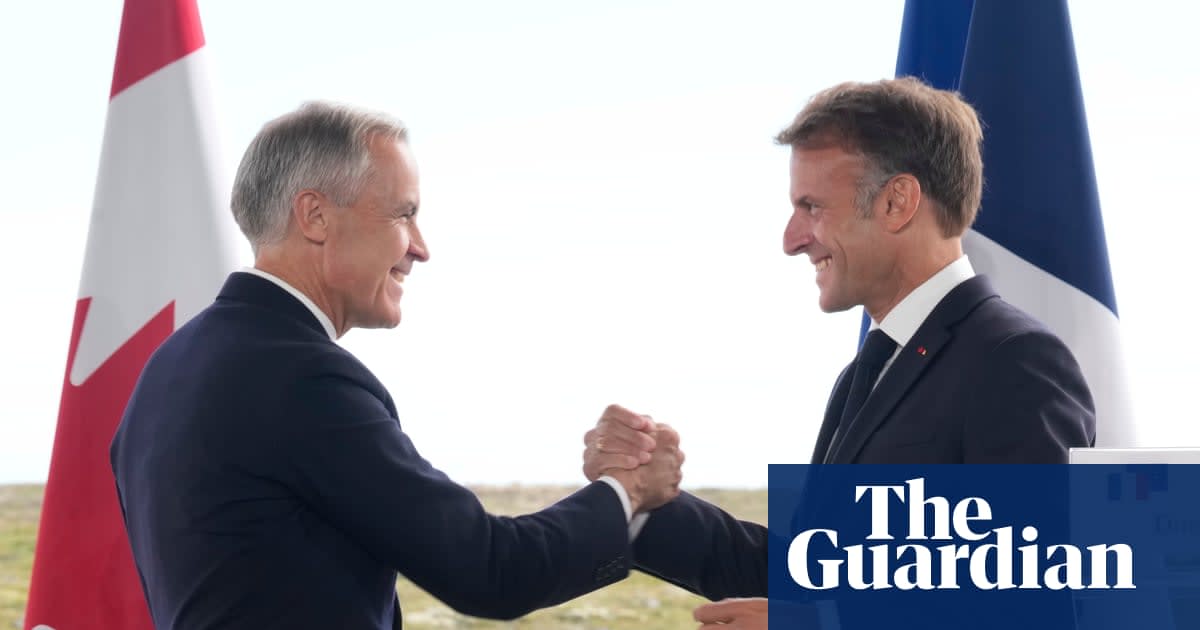
French President Macron and Canadian leaders held a historic meeting in Saint-Pierre and Miquelon to strengthen bilateral ties. The partnership focuses on energy security, critical minerals, and democratic resilience amid trade tensions with the United States.
A Strategic Convergence in the Atlantic
In a landmark diplomatic gesture, French President Emmanuel Macron and Canadian leadership convened in the French territory of Saint-Pierre and Miquelon. This historic meeting—the first time both a French president and a Canadian prime minister have visited the archipelago—serves as a powerful signal of alignment. By choosing a location geographically situated off the Canadian coast but under French sovereignty, the leaders underscored the unique bridge that exists between the two nations, setting the stage for a deeper transatlantic partnership at a time of global uncertainty.
Addressing the Shadow of American Protectionism
The timing of this summit is far from coincidental. It follows a period of heightened friction between Ottawa and Washington, characterized by an acrimonious trade war and provocative rhetoric, including a social media post by Donald Trump that depicted North America under the US flag. This imagery, perceived as a challenge to national sovereignty, has prompted Canada to accelerate its pivot toward European partners. The meeting in Saint-Pierre and Miquelon represents a calculated move by Ottawa to diversify its diplomatic and economic portfolio, signaling that it is not solely reliant on the US-Canada relationship.
Energy Security and the Strategic Pivot
A core pillar of the new cooperation is energy and resource security. President Macron has explicitly identified Canada as a vital partner for the European Union’s energy transition and strategic autonomy. The discussions focused on securing consistent supplies of Canadian Liquefied Natural Gas (LNG) and critical rare earth minerals. As Europe seeks to reduce its vulnerability to volatile energy markets, Canada’s vast natural resources provide a stable, democratic alternative that aligns with the EU’s long-term economic strategy.
Defending Democratic Norms and Sovereignty
Beyond trade and commodities, the leaders articulated a shared vision for protecting democratic values. Both Macron and the Canadian delegation emphasized that their societies are currently facing "new storms"—a reference to the erosion of democratic norms, climate change, and evolving threats to national sovereignty. This ideological alignment is intended to form a united front, ensuring that both nations can navigate the complexities of a shifting geopolitical landscape without compromising their fundamental governance structures.
The Future of the France-Canada-EU Axis
Looking ahead, this partnership is expected to evolve into a more robust framework for "strategic autonomy." By integrating Canadian raw materials into European supply chains, the two nations are creating a mutually beneficial economic buffer against protectionist pressures from the United States. If successful, this closer integration could solidify a new geopolitical axis that balances the influence of traditional superpowers while providing a blueprint for how middle powers can cooperate to safeguard their interests in an increasingly fragmented global economy.
Conclusion
The meeting in Saint-Pierre and Miquelon marks a definitive shift in Canadian and French foreign policy. By moving past symbolic gestures toward concrete agreements on energy, minerals, and defense, Macron and his Canadian counterparts are proactively responding to the challenges posed by a more isolationist United States. As the global order continues to fluctuate, this burgeoning alliance stands as a testament to the enduring importance of transatlantic cooperation in securing both economic stability and democratic resilience.